US Vice-President JD Vance Leads Delegation to Pakistan for Peace Talks Amid US-Iran Tensions
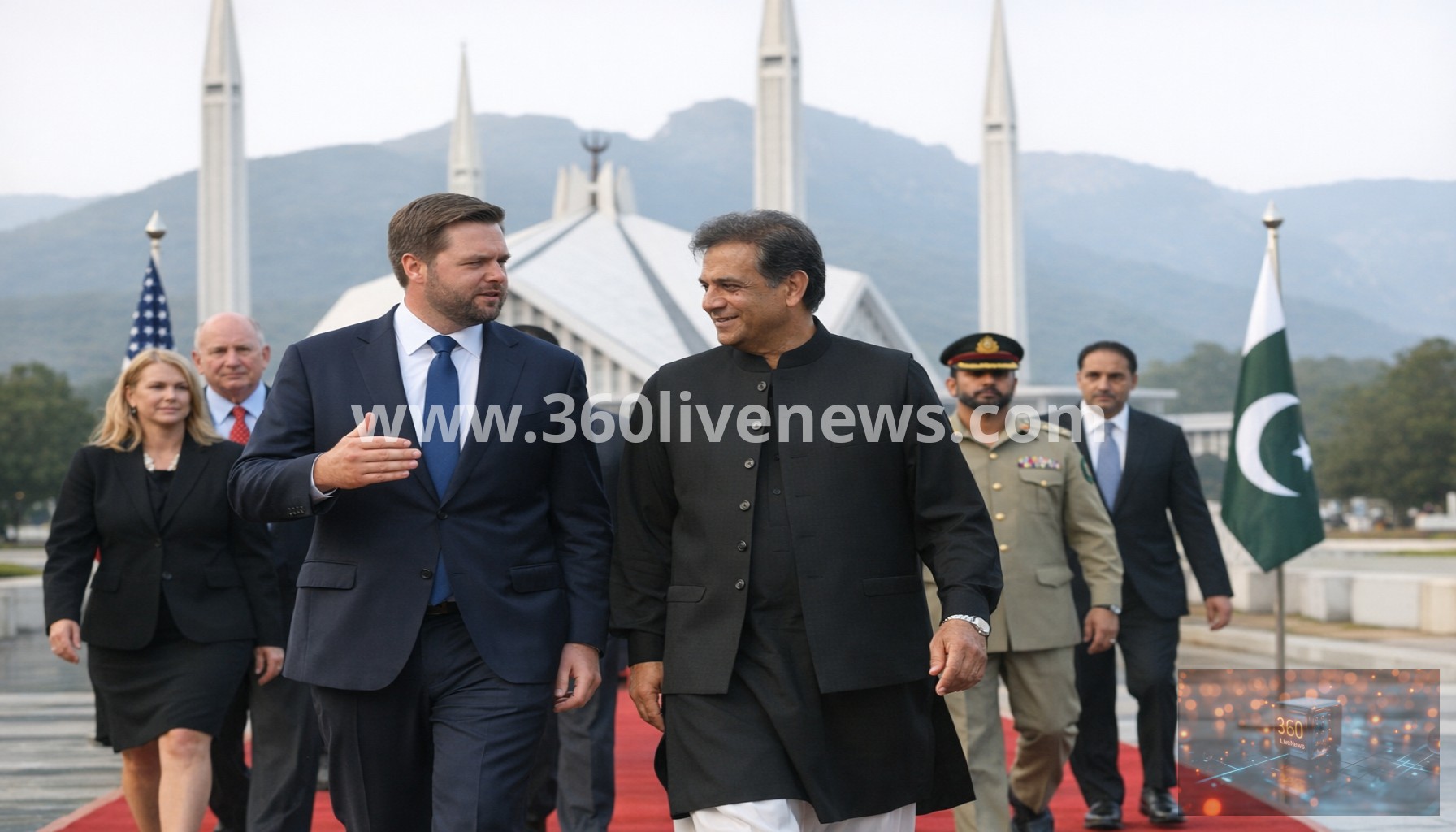
The diplomatic efforts to resolve ongoing tensions between the United States and Iran are intensifying as US Vice-President JD Vance and a delegation embark on a crucial journey to Pakistan for peace talks. These discussions, expected to commence on Saturday, have emerged following a two-week ceasefire negotiated with Pakistan's assistance, aiming to bring an end to the conflict. Meanwhile, both sides have recently accused each other of violating this ceasefire, further heightening the stakes.
Vice-President Vance has emphasized the United States' commitment to engaging in negotiations while cautioning Iran against any deceptive maneuvers. He stated, "America is willing to extend the open hand," but warned Iran not to "play us." This clear message reflects the fragile nature of the current political landscape and the potential repercussions if negotiations falter.
Pakistan has declared a two-day holiday in its capital, Islamabad, in preparation for the talks, showcasing the country’s pivotal role in facilitating dialogue between the two nations. Approximately 10,000 police officers and security personnel have been deployed across the city to ensure security ahead of the discussions. The atmosphere has shifted noticeably, with the usual bustle of city life quieted in anticipation of the events to come.
The negotiations hold significant geopolitical implications, not only for the US and Iran but also for global oil markets. The Strait of Hormuz, through which about 20% of the world's oil supply has previously passed, remains a critical point of concern. Restoring stability in this region is paramount for global energy security, and the outcome of these talks could play a decisive role in reopening this vital trade route.
Historically, US-Iran relations have been riddled with tension, exacerbating conflicts in the Middle East. The two nations have a long-standing adversarial relationship marked by accusations of aggression and violations of international agreements. The current situation highlights not just the strategic rivalry between Washington and Tehran but also the broader impact on regional allies and adversaries.
Previous diplomatic engagements have often resulted in short-lived agreements, with mutual distrust undermining efforts for lasting peace. Instances such as the Joint Comprehensive Plan of Action (JCPOA) illustrate the complexities involved; despite initial optimism, the deal eventually fell victim to renewed sanctions and accusations of non-compliance from both sides. As a result, observers remain cautiously optimistic about the potential outcomes of the upcoming discussions.
The involvement of Pakistan as a mediator has raised its profile on the international stage. The nation is navigating a delicate balance, as it seeks to foster peace while ensuring its own security and diplomatic interests. Islamabad's efforts to mediate come amid domestic challenges and rising economic pressures, making the outcomes of these talks vital for the country's stability.
Strategically, the US’s engagement in talks with Iran indicates a recognition of the need to address broader security concerns in the region. Diplomatic analysts suggest that the Biden administration’s approach aims to differentiate itself from previous administrations by prioritizing dialogue, however fraught, over military confrontation. This shift may also reflect domestic pressures within the US to resolve foreign policy headaches through diplomacy, rather than through force.
As the world watches, the outcomes of these discussions between the US and Iran may redefine future relations between the two nations and influence geopolitics in significant ways. The importance of these peace talks is underscored by not only the potential economic impacts but also the broader implications for international stability and the security landscape in the Middle East.
#Pakistan #UnitedStates #Iran #StraitofHormuz #diplomacy #peacetalks #JDVance #MiddleEasttensions