US and Iran Begin Direct Negotiations in Pakistan to Address Middle East Conflict
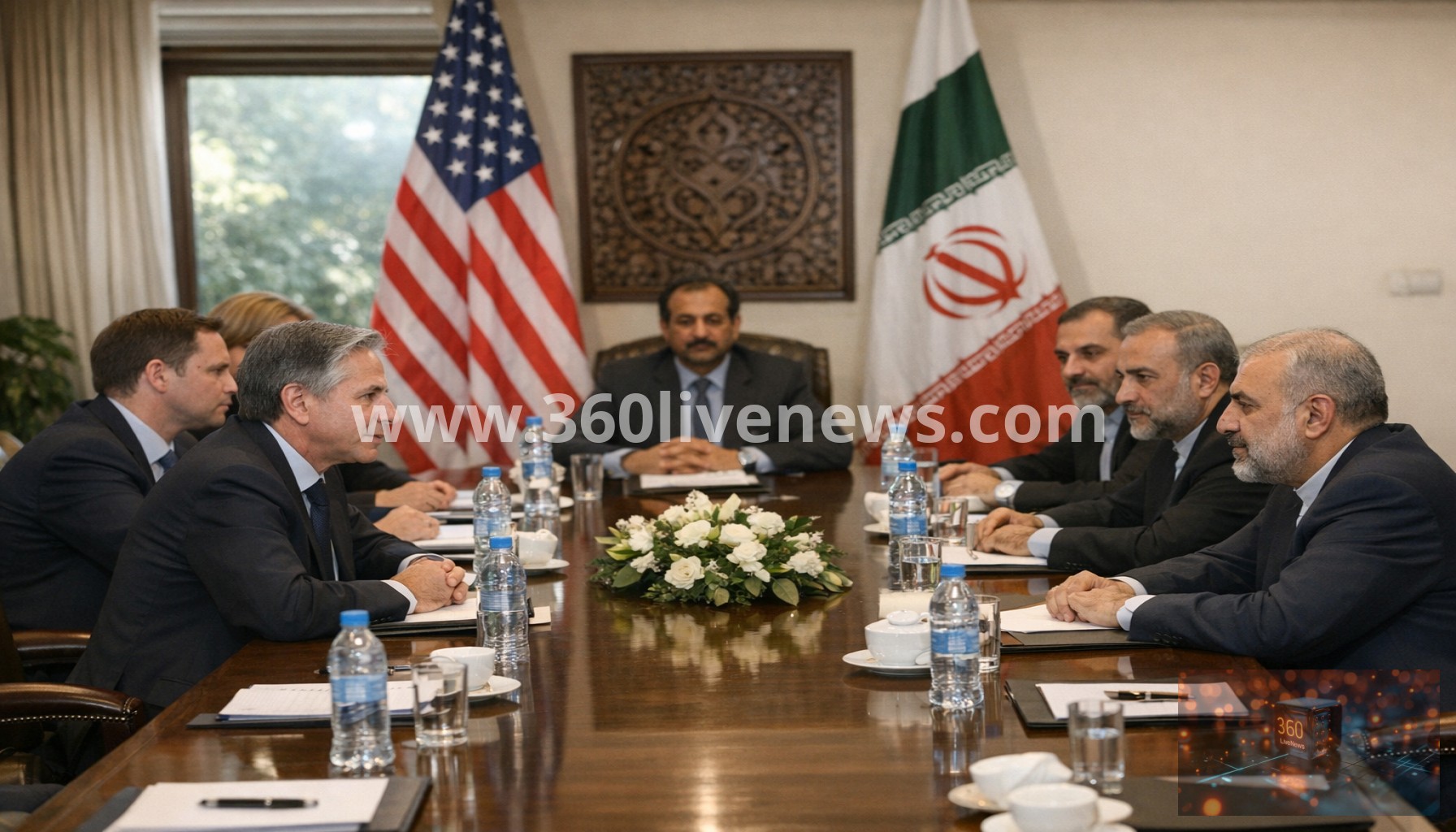
In a significant diplomatic development, the United States and Iran have commenced direct negotiations in Pakistan, aiming to address the ongoing conflict in the Middle East. This dialogue comes at a time of heightened tension and poses a crucial opportunity for seeking peace. It has been reported that US Vice-President JD Vance is leading the American delegation, with his arrival in Islamabad anticipated shortly. The talks are marked by significant challenges, primarily revolving around Iran's stipulations for participation.
Iran has outlined two primary preconditions before entering into peace negotiations: the immediate unfreezing of Iranian assets and the inclusion of Lebanon in any ceasefire arrangements. These demands highlight the complexities of the situation, as they not only implicate Iran's economic concerns but also reflect its strategic ties to Lebanon amidst the regional turmoil. The ongoing issues surrounding blocked Iranian assets and the volatility in Lebanon underscore the multifaceted nature of the negotiations, where regional dynamics play a pivotal role in the peace process.
In previous discussions leading up to this moment, former diplomats from both sides have expressed cautious optimism regarding the potential for a resolution. Notably, former Iranian Ambassador to Germany Seyed Hossein Mousavian and Alan Eyre, who negotiated the Iran nuclear deal in 2015, have emphasized the importance of dialogue, despite acknowledging the multitude of challenges posed by Iran's comprehensive ten-point proposal. This proposal addresses substantive issues but raises questions about the feasibility of agreements on such complex topics, particularly under the existing geopolitical strain.
This latest initiative for peace talks is set against a backdrop of long-standing tensions between Iran and the United States, which have historically revolved around issues such as nuclear proliferation, regional influence, and economic sanctions. The Joint Comprehensive Plan of Action (JCPOA), the landmark nuclear agreement from 2015, remains a key point of contention in these discussions, with both sides harboring differing interpretations of its implications and effectiveness.
The prospect of engaging in negotiations has been framed by various experts as a necessary, albeit fraught, avenue to avert a broader conflict. The historical context of US-Iran relations adds layers of complexity to the talks, with past incidents ranging from sanctions and military confrontations to proxy conflicts in the region. As tensions flare in areas such as the Strait of Hormuz, where Iran has previously threatened to obstruct shipping lanes, the stakes of the current dialogue have never been higher.
Moreover, the involvement of Pakistan as the host nation for these crucial talks underscores its strategic position in South Asia and the Middle East. Pakistan's diplomatic balancing act, especially given its historic ties with both the US and Iran, positions it as a potential mediator in a region often characterized by intricate alliances and animosities. This is a stark reminder of the broader geopolitical implications of the negotiations, which not only affect Iran and the US but could also reshape relationships across the Middle Eastern landscape.
As the talks unfold, the international community watches closely, with various stakeholders hoping for a peaceful resolution that could lead to stability not just in Iran, but in Lebanon and broader regional dynamics. A successful outcome would potentially mitigate the risk of escalating military conflicts while fostering a newfound diplomatic engagement that has been absent for years.
In conclusion, while the initial steps of this dialogue between the US and Iran hold promise, the road ahead is laden with challenges, complexities, and high expectations. The forthcoming developments from Islamabad will be crucial in determining whether this moment marks a turning point in US-Iran relations or simply another chapter in a long history of discord.
#Iran #USA #USIranTalks #PeaceTalks #Lebanon #MiddleEast #Pakistan #StraitoftheHormuz