Colombia raises import tariffs on Ecuadorian goods from 30% to 100% amid escalating trade tensions
Colombia's Ministry of Commerce, Industry and Tourism has implemented a significant increase in import tariffs on goods from Ecuador, raising the rate from 30 percent to 100 percent. This development comes in response to Ecuador's announcement of a similar hike, marking an escalation in trade tensions between the two countries, both of which are facing ongoing issues related to drug trafficking and economic stability.
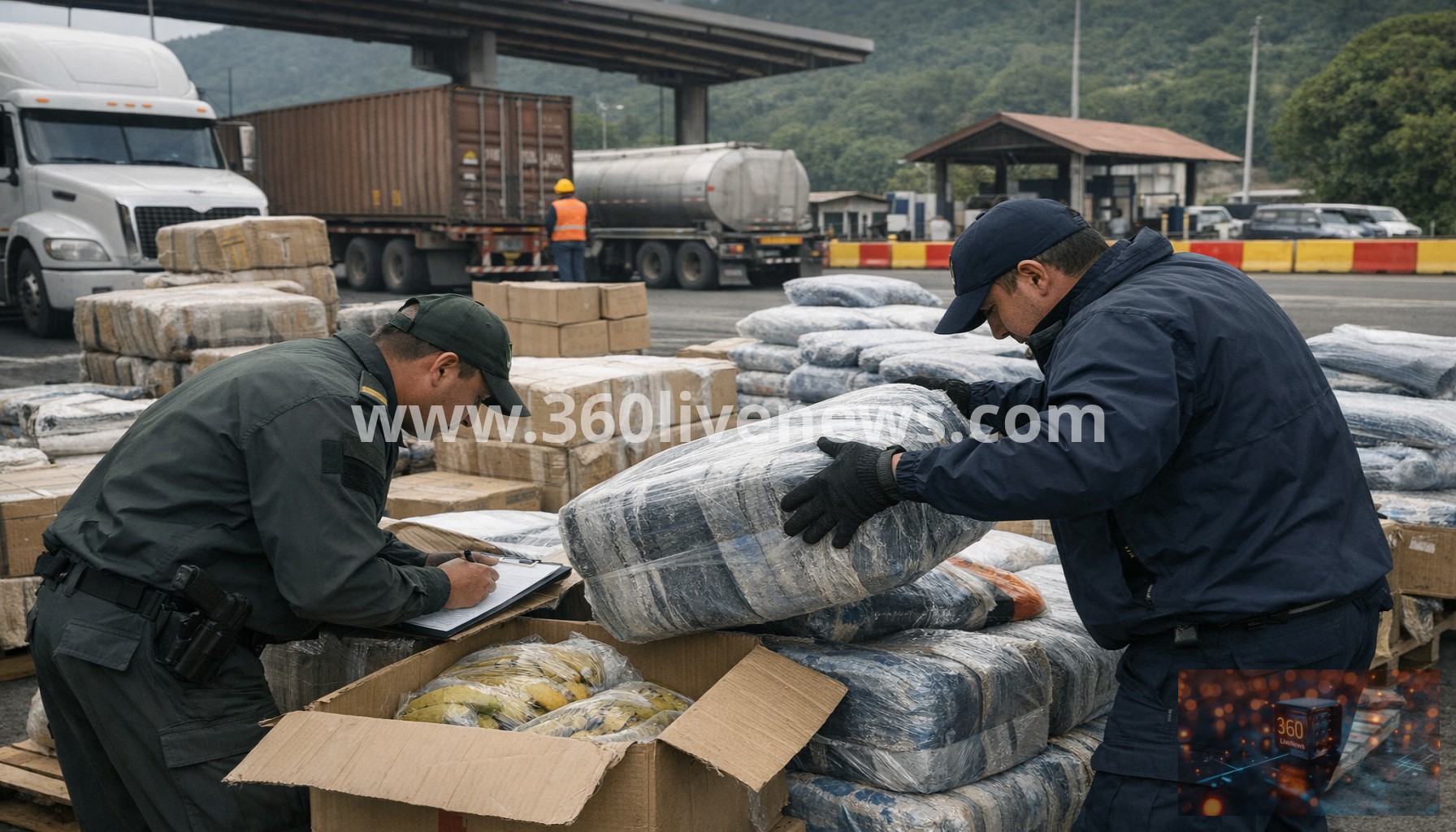
The tariff adjustment was confirmed on Friday, following Ecuador's decision to increase its import taxes as part of a broader strategy to address what it perceives as an unfavorable trade balance with Colombia. The Ecuadorian government has accused Colombia of not adequately combating the rising tide of illicit drug trafficking that emanates from its territory, a claim Colombia disputes. Colombian officials emphasize their commitment to military operations targeting drug interception, highlighting a major drug seizure from last November, which was announced as the most substantial haul in a decade.
In recent months, Ecuador has expressed growing concerns regarding Colombia’s handling of drug criminality, which has contributed to a surge in violence and instability in border areas. The Ecuadorian government has also pointed to various military operations conducted by Colombia as insufficient. This tariff increase is not only a response to trade dynamics but also serves as a political maneuver designed to apply pressure on Colombia amid increasing public concern in Ecuador regarding security and drug-related violence.
In conjunction with these developments in trade, Brazil has announced a new security partnership with the United States aimed at combating drug trafficking and the illicit arms trade. President Luiz Inacio Lula da Silva stated that Brazil has seized 1,168 firearms imported from the U.S. over the past year, underlining the significance of international collaboration in addressing these issues. The partnership aims to enhance cooperation between the Brazilian Federal Revenue Service and U.S. Customs, focusing on joint operations to deter and intercept arms and drug traffickers.
This tense scenario brings to light the complexities of trade relations in South America, particularly surrounding the interconnected issues of drug trafficking, economic policy, and national security. The imposition of these tariffs by both Colombia and Ecuador casts a spotlight on the reciprocal nature of diplomatic and economic interactions between the two neighbors, elevating the stakes in both trade and broader security implications.
Historically, Colombia and Ecuador have shared close ties, however, in recent years, their relations have been strained due to escalating crime rates, particularly related to narcotics. Ecuador has invoked concerns about Colombian drug trafficking likely stemming from the production of cocaine in Colombia, which has historically had significant repercussions in both countries.
The current tariff increase is more than just a numbers game; it reflects deep-seated issues in the regional approach to combating illicit drugs. Experts suggest this could potentially lead to a worsening economic climate for both nations, particularly for Ecuador, which largely relies on exports to Colombia. The adverse effects of trade barriers can trickle down to local economies, affecting jobs and income levels for citizens on both sides of the border.
As the situation develops, it remains critical for both nations to find a balanced approach that addresses the immediate economic concerns while also fostering collaborative efforts in combating the drug trade. The international community and regional organizations may also need to take a more proactive role in facilitating dialogue and influencing constructive policies that prioritize both security and economic stability.
In summary, the tariff hikes are set against a backdrop of significant tension over drug trafficking and economic health. They illustrate a complex interplay of politics, economics, and security in South American relations that resonates far beyond mere trade numbers. Immediate repercussions are likely, and the implications for policy and long-term relations between Colombia and Ecuador could be profound.
#Colombia #Ecuador #Tariffs #DrugTrafficking #TradeRelations #Brazil #UnitedStates #SecurityPartnership