US Congress Temporarily Extends Controversial Surveillance Law Under FISA
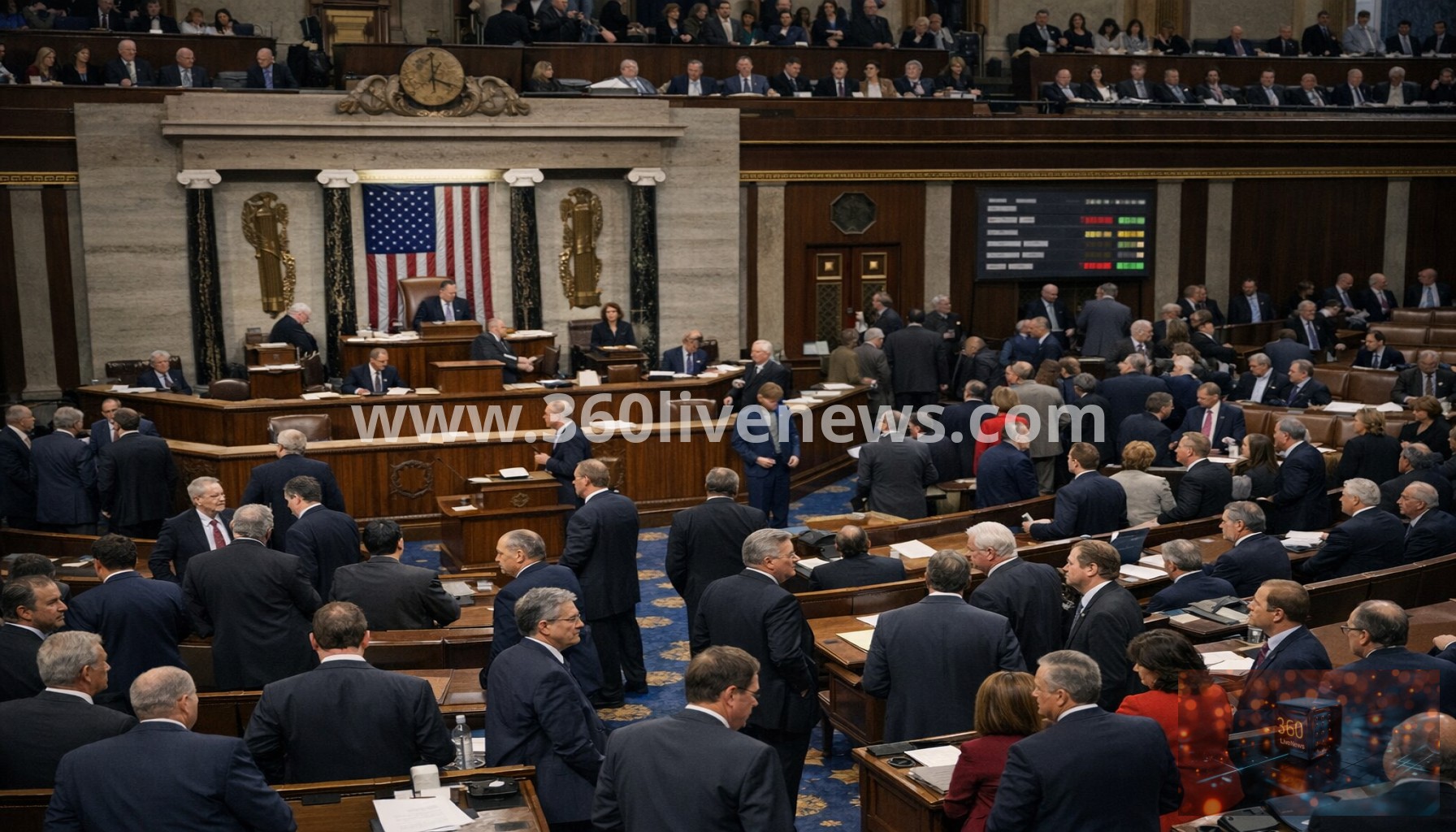
The United States Congress has passed a short-term extension of a controversial surveillance provision under the Foreign Intelligence Surveillance Act (FISA).
This extension allows federal intelligence agencies to continue collecting data under Section 702 until April 30, 2026.
The extension was approved unanimously by both the House of Representatives and the Senate on April 17, following the failure of a longer-term reauthorization effort.
The short-term measure provides a 10-day continuation of the law, which was set to expire on April 20.
Section 702 permits the National Security Agency (NSA) and other intelligence agencies to collect data from foreigners outside the US, including their communications with US citizens.
This data collection can include emails and telecommunications, typically requiring a warrant, but Section 702 allows warrantless surveillance, raising privacy concerns.
The law has been criticized for enabling "backdoor searches" that circumvent existing privacy protections.
Rights advocates and some lawmakers across party lines have called for reform or repeal of Section 702 due to these privacy implications.
The extension comes amid ongoing political debate.
President Donald Trump had pushed for an 18-month extension without changes, citing national security needs.
However, his effort was blocked by opposition within his own party in the House.
Senate Majority Leader John Thune acknowledged the need for reform, stating there is openness to changes but that details remain to be worked out.
#USCongress #Section702 #ForeignIntelligenceSurveillanceAct #DonaldTrump #JohnThune #NationalSecurityAgency
