Iran-US standoff keeps Strait of Hormuz closed amid stalled peace talks
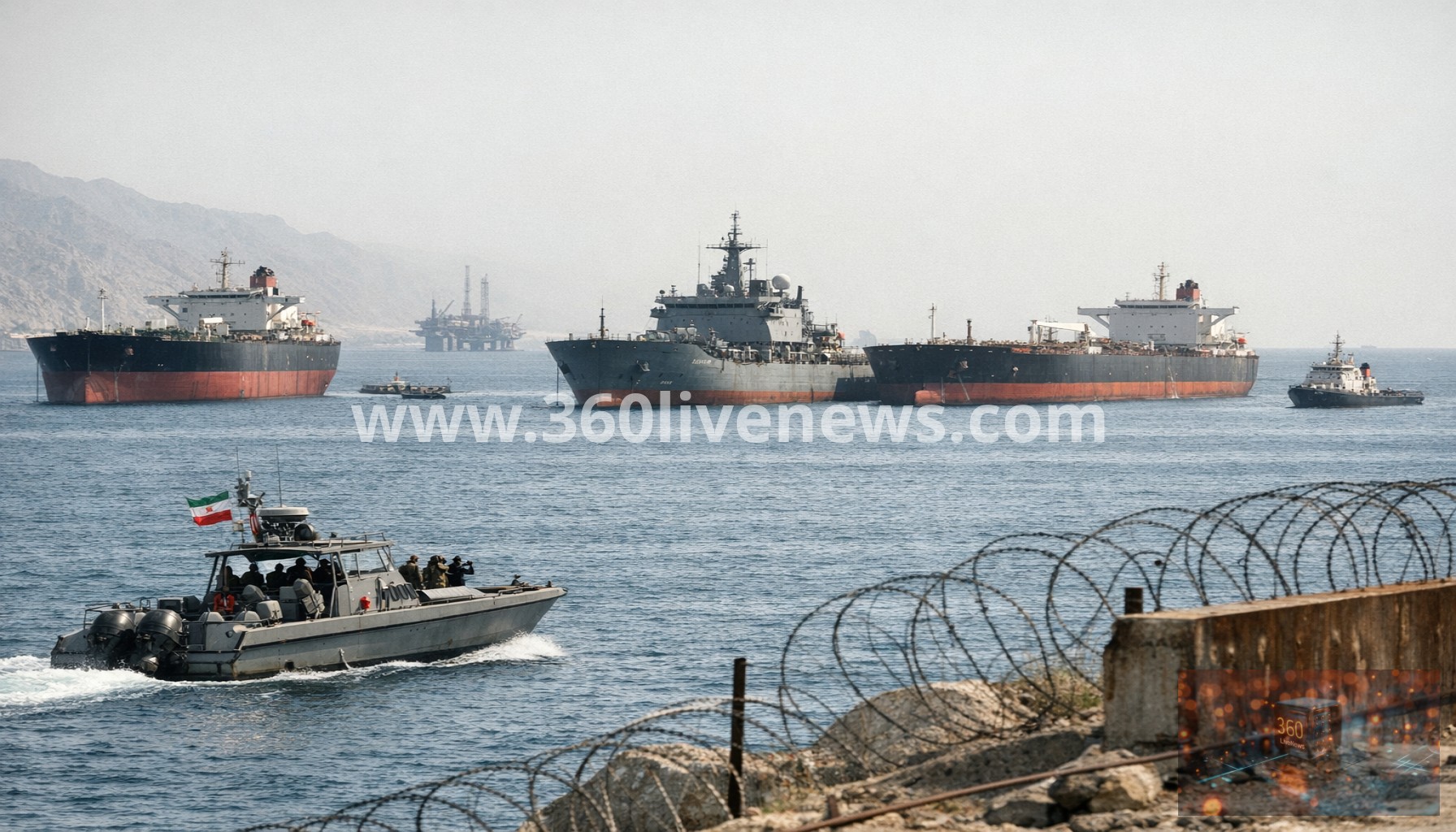
The strategic Strait of Hormuz remains closed amid ongoing tensions between Iran and the United States, with Iran's parliamentary speaker confirming that a final peace deal remains distant despite some progress in negotiations.
Mohammad Bagher Ghalibaf, speaker of the Iranian parliament and a key negotiator, stated that while there has been "progress" in talks, "many gaps and some fundamental points remain." He emphasized that the strait will not reopen until the US lifts its naval blockade on Iranian ports.
The closure of the Strait of Hormuz, a vital maritime chokepoint through which about a fifth of the world's oil and liquefied natural gas typically transit, has caused significant disruption to global oil supplies and markets.
Analysts estimate that more than $50 billion worth of crude oil has not been produced since the conflict began nearly 50 days ago, marking the largest energy supply disruption in modern history.
A temporary ceasefire had briefly allowed the strait to reopen, providing relief to global markets and causing oil prices to drop.
However, Iran reversed this reopening after the US insisted on maintaining its blockade, prompting renewed restrictions on the shipping lane.
US President Donald Trump described the ongoing conversations with Iran as "very good" but warned Tehran against attempting to "blackmail" the United States.
He also praised Israel, a US ally engaged in conflict with Iran, highlighting the alliance amid regional tensions.
Iran's supreme leader, Mojtaba Khamenei, has declared that Iran's navy "stands ready" to confront the United States.
Meanwhile, the Iranian Revolutionary Guards have warned that any unauthorized passage through the strait will be considered cooperation with the enemy and targeted accordingly.
The two-week ceasefire currently in place is set to expire soon, with uncertainty over whether it will be extended.
The ongoing blockade and closure of the strait continue to exacerbate tensions and disrupt maritime traffic.
The disruption extends beyond oil, affecting supplies of jet fuel, fertilizers, industrial CO2, and naphtha, potentially leading to shortages of essential goods worldwide.
Despite the progress reported in talks, fundamental disagreements remain, particularly regarding nuclear issues and control over the Strait of Hormuz.
#StraitofHormuz #Iran #UnitedStates #navalblockade #peacetalks
