US and Iran Warn of War Readiness as Ceasefire Talks in Pakistan Remain Uncertain
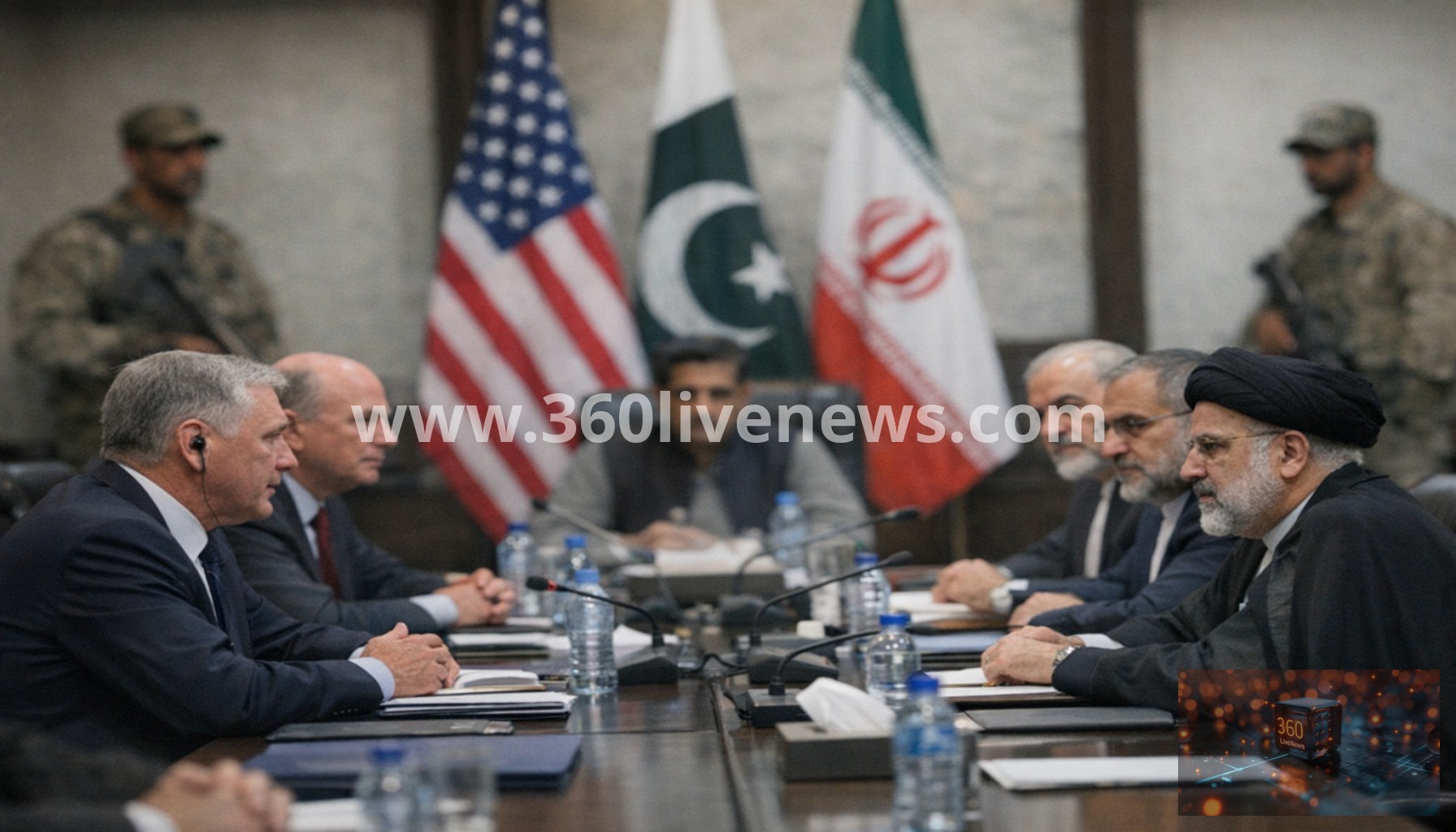
The United States and Iran have both issued warnings of their readiness for war amid uncertain ceasefire talks scheduled to take place in Pakistan.
The talks, aimed at ending the ongoing conflict in the Middle East, have yet to secure Iran's confirmed participation.
US Vice President JD Vance is prepared to lead the American delegation to Islamabad for a second round of negotiations, although he remained in the US on Monday, adding to uncertainty over the timing of the talks.
Iran's cleric-led government has not confirmed its attendance and has accused the US of violating the ceasefire agreement through a blockade of Iranian ports and the recent seizure of an Iranian cargo ship attempting to breach the blockade.
Iran's parliament speaker Mohammad Bagher Ghalibaf condemned these actions as violations of the truce and stated that Iran rejects negotiating under threat, warning that it has prepared "new cards on the battlefield." Iran's Revolutionary Guards also warned they would target any vessel attempting to pass through the Strait of Hormuz without permission.
The ceasefire, which began on April 8, was brokered with significant involvement from Pakistan's military leadership, including Field Marshal Asim Munir, and is set to expire on April 23.
US President Donald Trump has accused Iran of violating the truce by harassing vessels in the Strait of Hormuz, a critical transit route for about one-fifth of the world's oil.
The US maintains a naval blockade in the area, which Iran has challenged with so-called "shadow vessels." Trump has stated that the blockade will continue until a deal is reached, pressing Iran for concessions on its nuclear activities.
He also warned that if the ceasefire expires without an agreement, hostilities could resume with increased violence.
Iran has called on international institutions and governments to condemn the US seizure of its ship, labeling it "maritime piracy" and a breach of international law.
In Islamabad, preparations for the talks appear to be ongoing despite the uncertainty over Iran's participation.
Oil prices have fallen and most stock markets have risen on hopes for a deal to end the conflict and reopen the Strait of Hormuz.
Russian Foreign Minister Sergey Lavrov and Iranian Foreign Minister Abbas Araghchi have discussed the conflict by phone, with Lavrov emphasizing the need to uphold the ceasefire and continue diplomatic efforts.
What remains unclear is whether Iran will agree to attend the talks and whether the ceasefire will be extended or allowed to expire, potentially leading to renewed hostilities.
