Italy and Germany oppose EU trade sanctions on Israel amid growing calls for action
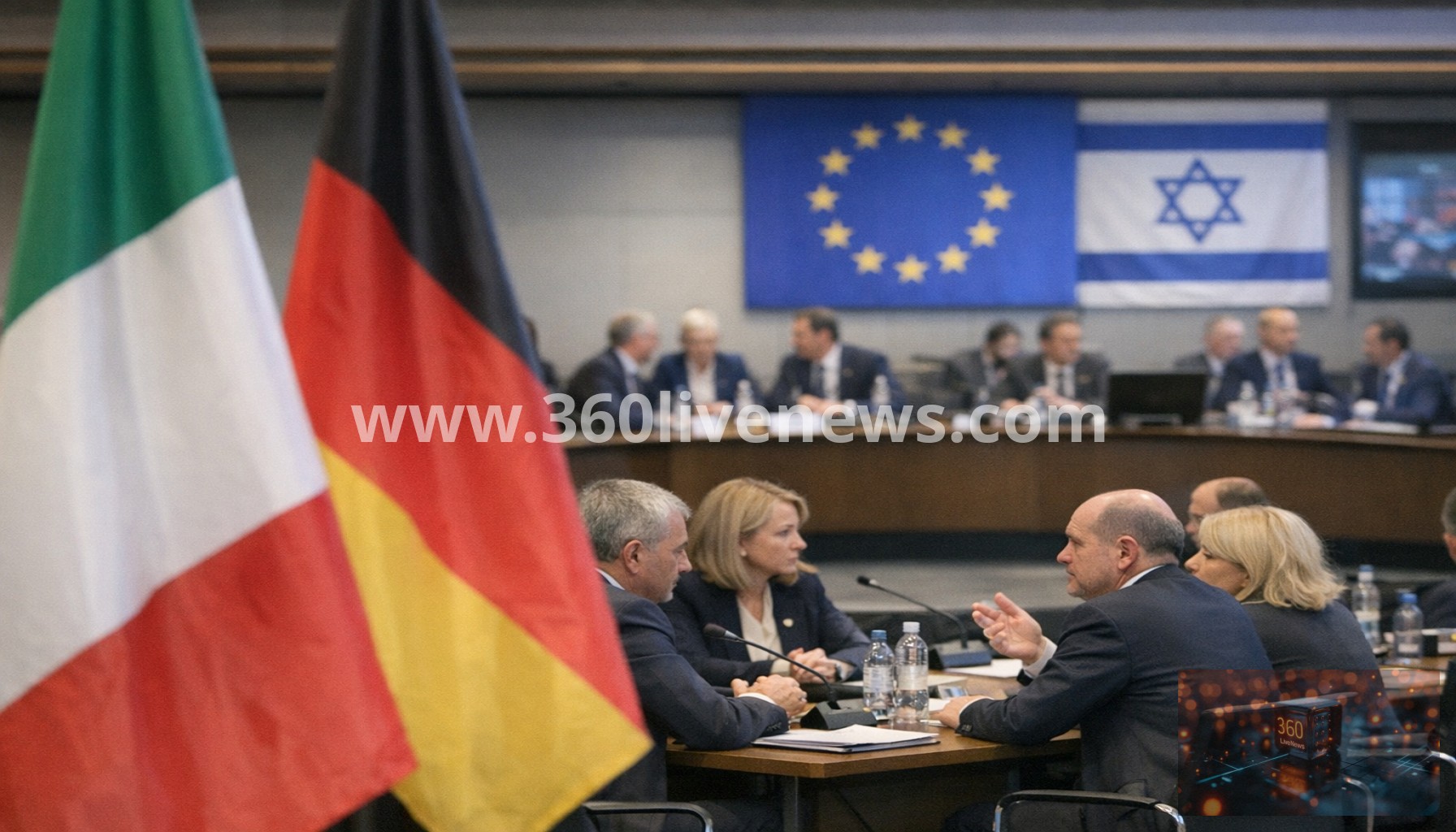
Italy and Germany have opposed proposals to impose EU trade sanctions on Israel during recent discussions among EU foreign ministers.
The debate centered on whether to freeze Israel's EU trade privileges, valued at around €1 billion annually, in response to Israeli policies and military actions.
Italian Foreign Minister Antonio Tajani stated that breaking the trade agreement would harm the general Israeli population and expressed alignment with Germany's position.
German Foreign Minister Johann Wadephul described a trade freeze as "inappropriate" but urged the Israeli government to take stronger measures against settler violence.
Several other EU members, including Spain, Belgium, Ireland, Malta, the Netherlands, Portugal, and Slovenia, supported the proposal to freeze Israel's trade benefits.
Spanish Foreign Minister José Manuel Albares criticized Israeli laws and military actions, citing concerns over a Palestinian-only death penalty law and indiscriminate bombing in Lebanon.
Belgian Foreign Minister Maxime Prévot condemned Israel's military response in Lebanon as disproportionate and recounted being near the Belgian embassy in Beirut during recent air strikes that killed approximately 360 people.
The issue has highlighted divisions within the EU, with Italy's position contrasting with its Prime Minister Giorgia Meloni's bilateral defense sanctions on Israel following political tensions with Israeli Prime Minister Benjamin Netanyahu.
Tajani also condemned Israeli soldiers' desecration of Christian artifacts and attacks on Christian villages in Lebanon, calling for accountability.
