Russian Su-57 Warplanes Sidelined Amid Declining Bomb Effectiveness in Ukraine
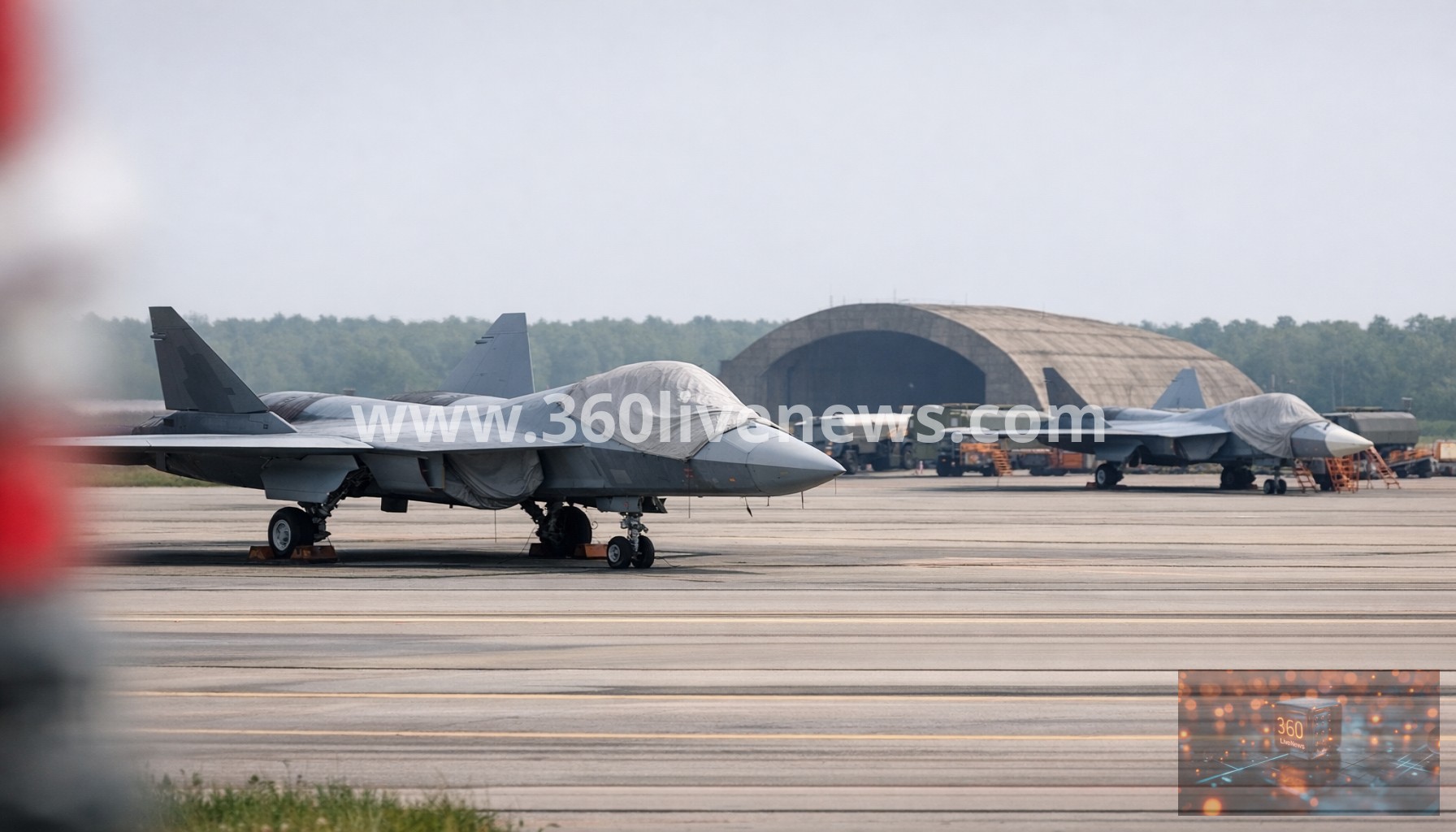
Recent reports indicate that Russian Su-57 warplanes have been sidelined in the ongoing conflict in Ukraine due to a notable drop in the effectiveness of their bombing campaigns.
This development reflects the evolving dynamics of the air war as both Russian and Ukrainian forces have established robust airspace control systems.
According to detailed battlefield updates, the Russian air force's numerical advantage remains, allowing for a higher volume of missions and strikes.
However, the effectiveness of these operations has diminished because both sides have developed comprehensive airspace monitoring extending hundreds of kilometres.
This extensive airspace control means that aircraft movements, missile launches, and precision-guided bomb trajectories are closely tracked by radar.
Consequently, targets often evacuate or take shelter well before attacks occur, reducing the impact of bombing runs.
The Russian Fighterbomber, a source close to military aviation, noted that pilots are fully aware of the boundaries beyond which they risk destruction and avoid entering enemy engagement ranges.
This mutual awareness has led to predictable air battles and limited opportunities for surprise attacks.
Ukrainian sources corroborate these observations, highlighting the deployment of both rookie and veteran pilots by Russia, yet emphasizing the constraints imposed by effective air defence systems on both sides.
The current state of the air war underscores the challenges faced by the Russian air force in achieving decisive results despite its numerical superiority.
The reduced bomb effectiveness and the sidelining of advanced aircraft like the Su-57 suggest a shift in tactical approaches may be necessary.
This situation matters now as the conflict approaches the summer campaign, a period traditionally marked by intensified military operations.
