US President Trump Maintains Naval Blockade on Iran as Rial Hits Record Low
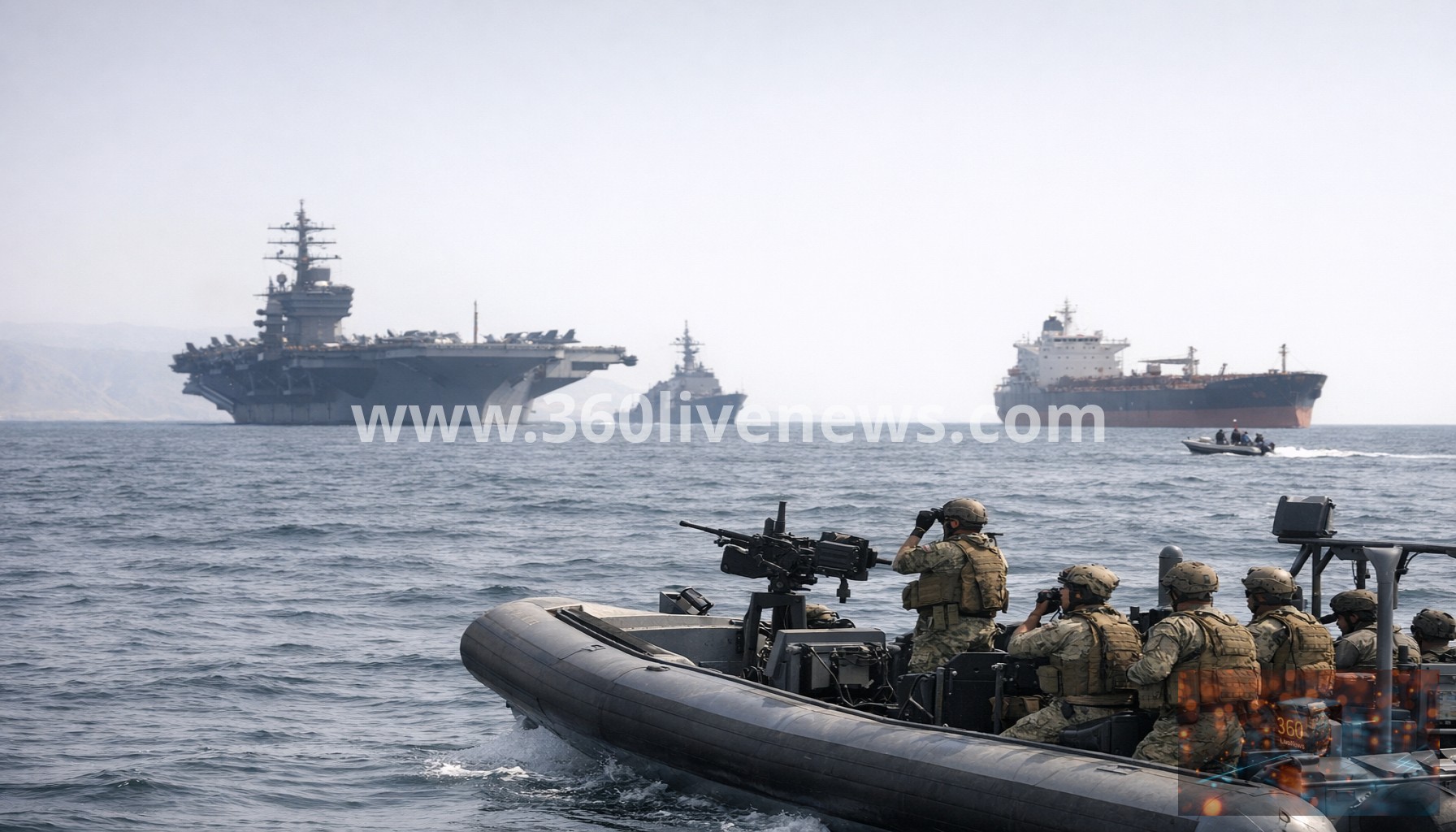
The United States has intensified its naval blockade of Iran, with President Donald Trump confirming no plans to lift the siege amid ongoing economic turmoil.
The blockade, in place since late February, aims to exert maximum economic pressure on the Iranian regime.
On April 30, the Iranian rial plummeted to a historic low of 1.8 million rials per US dollar, marking a significant depreciation since the conflict began.
The euro also traded at 2.1 million rials, reflecting the accelerated collapse of the currency.
This currency freefall has exacerbated Iran's inflation crisis, with annual inflation reaching 53.7% in the first month of the Iranian calendar year, the highest since 1943.
Food prices have surged sharply, with chicken prices rising 75% in the past month, beef and lamb by 68%, and dairy products by up to 50%.
Imported goods, including medicine and raw materials, have also become more expensive due to the currency decline.
President Trump rejected Tehran's proposal to reopen the Strait of Hormuz in exchange for ending the blockade, describing the naval siege as "more effective than bombing." The White House confirmed discussions with oil industry executives about maintaining the blockade for months if necessary to sustain economic pressure while limiting impacts on US consumers.
The blockade's continuation and the rial's collapse deepen Iran's economic crisis, potentially intensifying domestic unrest and inflationary pressures.
#USnavalblockade #Iranianrialcollapse #DonaldTrump #economicpressure #Iraninflation
