Russia launches hundreds of drones in overnight attack on multiple regions in Ukraine amid ongoing conflict and international negotiations
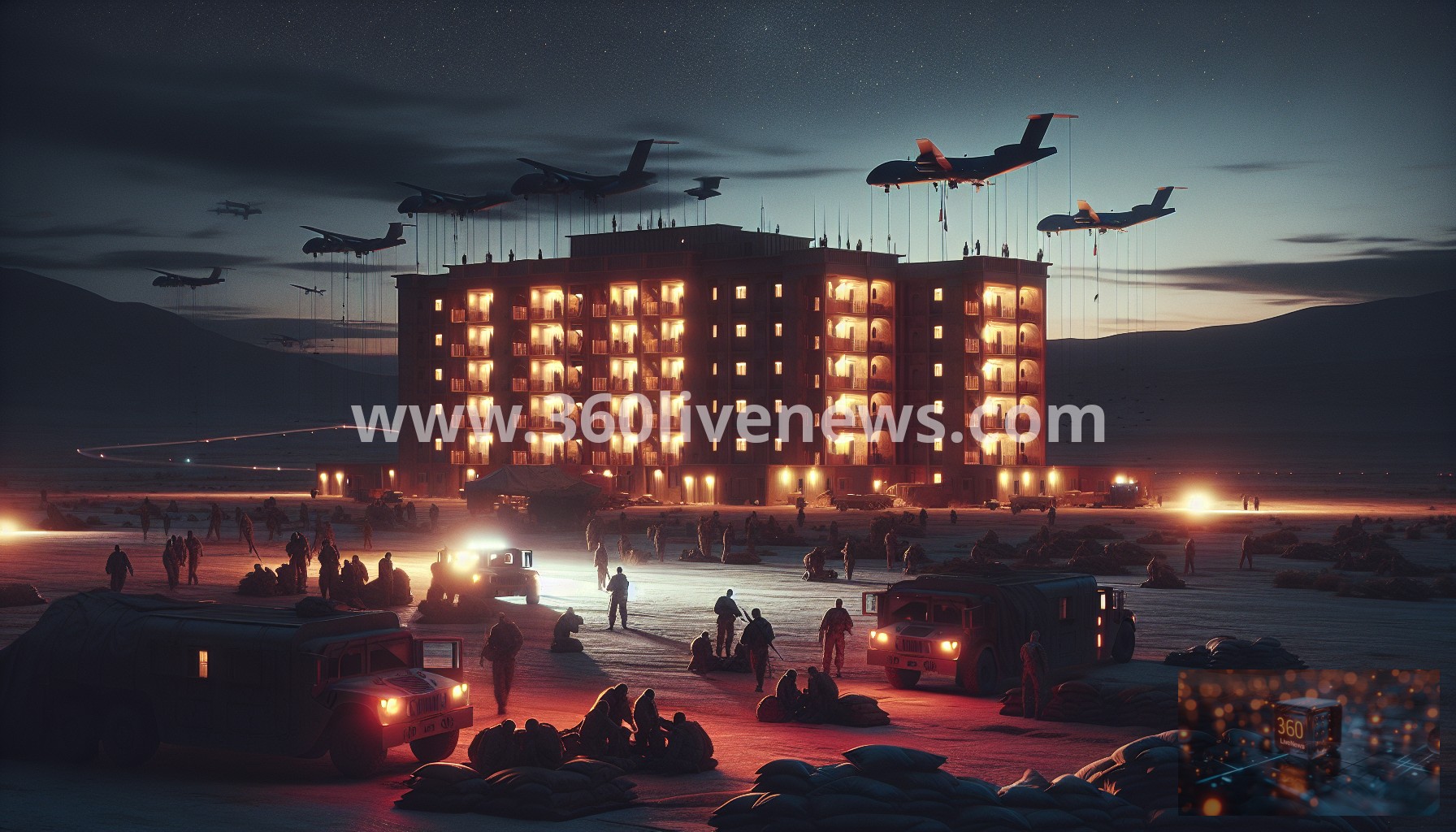
In a significant escalation of military aggression, Russia has launched hundreds of drones in a recent overnight attack, targeting several regions in Ukraine. This marked the latest incorporation of unmanned aerial vehicles as a primary assault tool in the ongoing conflict. As negotiations between the US and Ukrainian representatives convene in Geneva, this attack adds urgency to discussions surrounding military aid and strategic support for Ukraine. The drone strikes are part of a broader pattern of Russian operations aimed at destabilizing Ukrainian infrastructure and undermining its defensive capabilities.
Confirmed reports indicate that the drone assaults have resulted in civilian casualties, although exact numbers are still emerging as local authorities assess the damage. Notably, preliminary responses from Ukrainian emergency services suggest that at least ten civilians were confirmed dead, and numerous injuries were reported across various cities targeted by the strikes. Ukrainian President Volodymyr Zelensky has condemned these attacks, calling them an attack not only on military assets but also on the very will of the Ukrainian people.
In the aftermath of these attacks, officials from the Ukrainian emergency services announced an immediate state of alert, urging civilians in affected areas to seek safe shelters. The strikes were particularly concentrated in regions like Odesa and Kharkiv, which have been frequent targets due to their strategic importance. As authorities strive to recover from the chaos, many residents were evacuated from the most heavily impacted areas to secure zones, with thousands reported to have moved to nearby towns where the risk is reduced.
The geopolitical backdrop of this attack is substantial, as it occurs concurrently with high-level meetings between US and Ukrainian negotiators in Geneva. These discussions, aimed at solidifying military cooperation and further assistance, have taken on a new dimension following the recent assaults. The US administration has been actively involved in rallying allied nations to support Ukraine militarily and economically, as well as to isolate Russia diplomatically. The ramifications of this event could significantly influence the outcome of these negotiations, which are crucial for Ukraine as it seeks to bolster its defense against ongoing aggression.
The backdrop to the current crisis can be traced to previous phases of conflict where Russia has employed similar tactics, launching aerial assaults to sow confusion and terror among civilian populations. This latest aggressiveness underscores the urgency for coordinated international responses and further strategic military support for Ukraine. Analysts highlight that the sustained nature of these attacks reflects Russia's determination to assert control and challenge Western alliances that support Ukraine in its sovereignty battles.
The implications of this ongoing situation are critical, not just for Ukraine but also for European security as a whole. NATO's response to these events remains a central focus, as member countries evaluate their positions in light of increasing aggression from Russia. There's a growing consensus among NATO leaders that an escalated response may be necessary to counteract the threats posed by Russia's military capabilities, particularly aerial assaults that can target civilian and military infrastructures alike.
Meanwhile, discussions concerning sanctions against Russia are gaining momentum as Western nations seek ways to impose stricter penalties in retaliation for the drone strikes. Humanitarian groups have also voiced concerns regarding the rising civilian toll of these operations, calling for urgent interventions to protect non-combatants amidst the chaotic environment. The refugee crisis that has unfolded during this conflict further complicates the narrative, as many civilians are forced to flee their homes, adding strain on neighboring countries’ resources and humanitarian systems.
The tactical use of drones by Russia marks a significant shift in warfare tactics, prioritizing remote attacks that minimize Russian troop exposure while maximizing the threat to Ukrainian infrastructure. This advancement in military technology highlights the necessity for Ukraine to adopt counter-drone measures and strengthen its anti-air capabilities. As such developments unfold, both tactical and strategic adjustments will be essential for Ukrainian defense operations moving forward, especially in collaboration with NATO partners who recognize the urgent need to support Ukraine's sovereignty.
As both sides prepare to engage in dialogue concerning the future course of military and humanitarian support, the latest attacks underscore the complex layers of this conflict, blending strategic military negotiations with immediate humanitarian concerns. The situation remains fluid, with updates from ground operations and high-stakes negotiations anticipated to shape the next phase of this conflict.
#Ukraine #Russia #Drones #NATO #MilitaryAid #GenevaNegotiations #Civilians #RefugeeCrisis
