US and Israel Launch Airstrikes Against Iran Amid Failed Diplomatic Negotiations
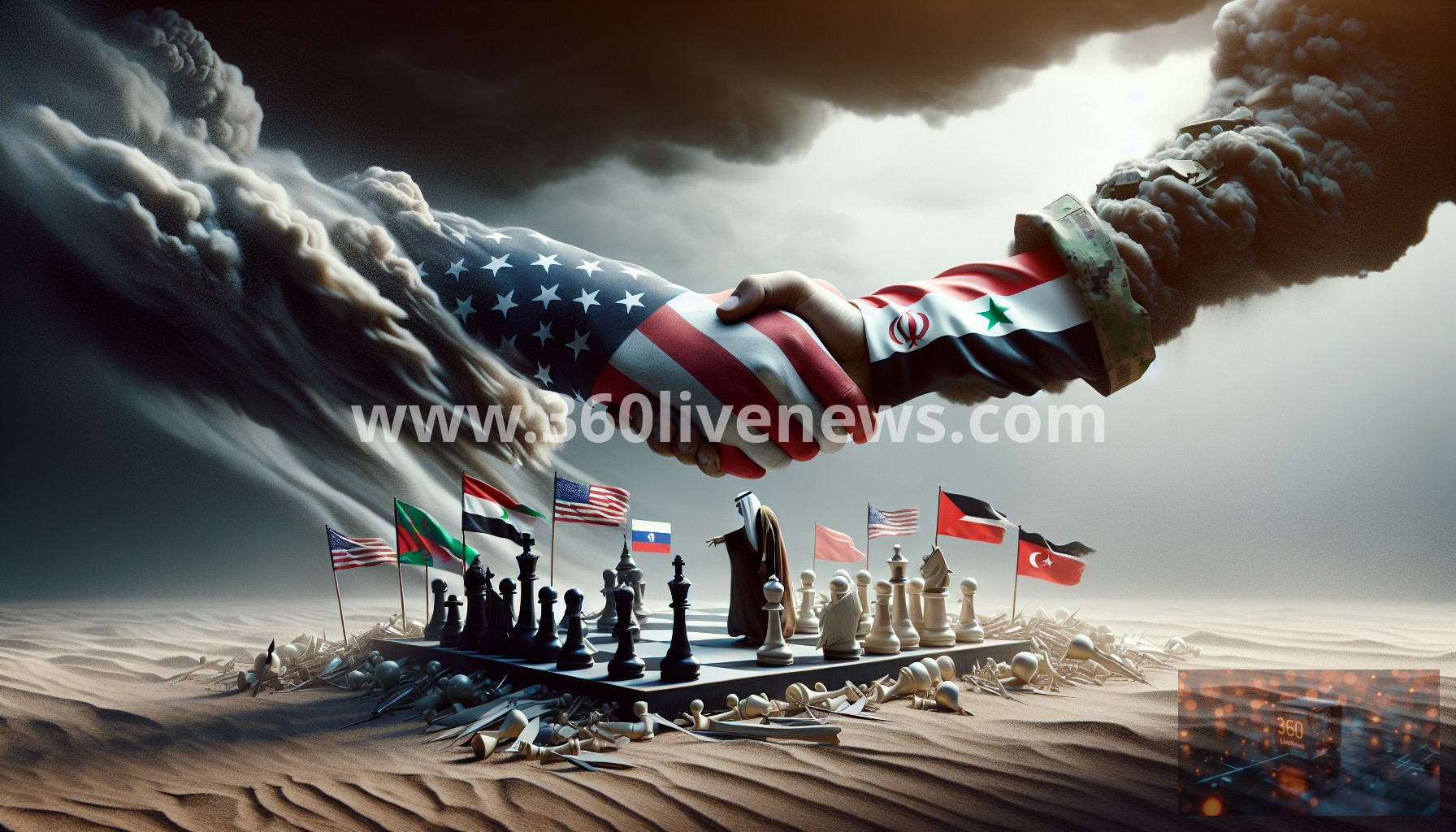
In a dramatic escalation of military tensions in the Middle East, the United States and Israel have initiated significant airstrikes against Iran following failed diplomatic negotiations. The strikes, which began recently, have sent shockwaves through the Iranian capital, Tehran, and raised alarms across the region about possible broader conflict. Initial reports indicate explosions were heard across central Tehran, including near the offices of Iran's Supreme Leader, Ayatollah Ali Khamenei.
The current escalation is marked by a series of airstrikes performed jointly by US and Israeli forces, with the US President, Donald Trump, publicly announcing the commencement of "major combat operations" against Iran. In his statements, Trump has urged the Iranian populace to "take over your government," signaling a clear intention not just to disrupt Iranian military capabilities but to potentially empower regime change from within Iran.
As the strikes unfolded, panic gripped Tehran, where many families were seen rushing to collect their children from schools amidst alarming news of the military activities. Reports detail that Iranians were beginning their workweek when the military operations commenced, leading to widespread fear and confusion. This unsettling atmosphere has prompted a wave of evacuations in certain areas, though precise numbers remain unclear at this point.
In a coordinated defensive response, Israel confirmed that it had declared a state of emergency anticipating Iranian retaliatory strikes, particularly given that missile attacks were reportedly launched towards northern Israel following the airstrikes. Israeli authorities advised civilians to remain close to air raid shelters as precautions against incoming projectiles. The potential for further escalation remains high, with fears of a broader regional conflict looming as Iranian officials have promised a "crushing retaliation."
The backdrop to these military actions includes a series of dire economic pressures faced by Iran, exacerbated by a crippling sanctions regime implemented largely by the US under Trump’s administration, previous termed the "maximum pressure" campaign. This campaign has been in place aimed at curbing Iran's nuclear ambitions and diminishing its influence in the region. Iran's nuclear program remains a focal point of contention, as US officials highlight continued developments that could lead to military capabilities threatening US and allied interests.
Historically, US-Iran relations have been fraught, particularly since the Islamic Revolution, and have been characterized by mutual hostility and contradictory diplomatic efforts. The global response to Iran's nuclear program has often seen the United Nations and various international bodies involved, attempting to negotiate limits on Tehran's ambitions which continue to affect regional stability.
These recent events may exacerbate existing tensions not just within Iran but across the Middle East, where other nations have vested interests in the outcomes of confrontations between Iran and Israel. The presence of military assets in the region, including the USS Gerald R. Ford aircraft carrier, represents the largest US military buildup in the Middle East in recent memory, indicating a severe shifting of military posture. This buildup has raised concerns among military analysts about potential implications if the conflict escalates further.
Experts warn that the current situation could lead to protracted violence and significant instability. While some factions in the US support a hardline response to Iran, others express fears that renewed military action could plunge the region into a cycle of violence reminiscent of Iraq’s past conflicts, sparking further resistance and strife within Iranian borders, as well as among its neighboring countries.
The implications of these military actions could reach far beyond Iran’s borders, possibly affecting global oil markets and illuminating deeper geopolitical rifts in a region already characterized by conflict and instability. A shift in US strategy towards a more aggressive military posture against Iran marks a significant departure from previous diplomatic engagement approaches although the effectiveness and long-term consequences of such actions remain to be seen.
#US #Iran #Israel #Military #Trump #Tehran #StateofEmergency #Airstrike
