Iran's Supreme Leader Ayatollah Ali Khamenei reportedly killed in airstrike by Israel and the United States in Tehran
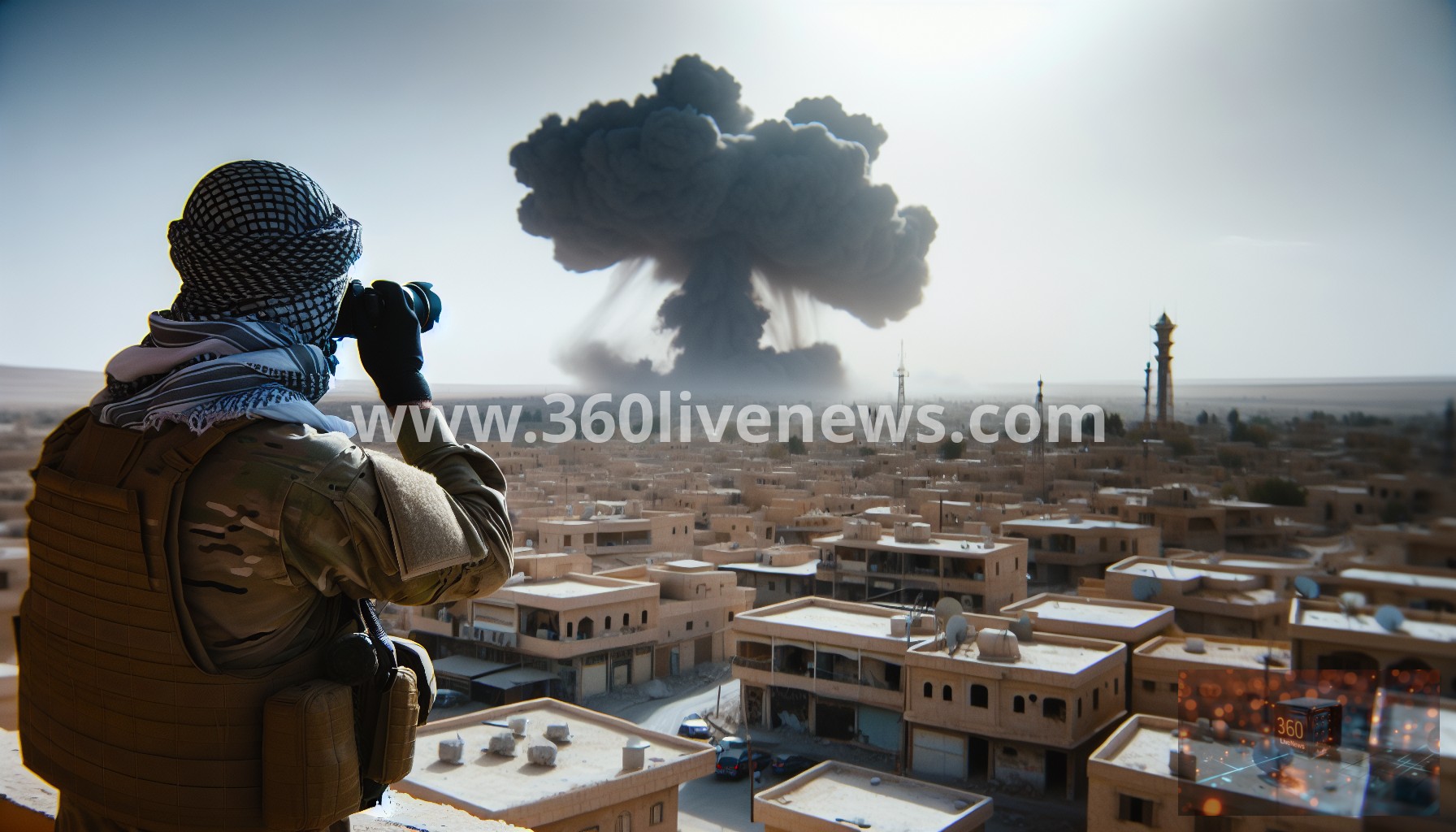
In a staggering escalation of military action, Ayatollah Ali Khamenei, Iran's Supreme Leader, was reportedly killed during a coordinated airstrike conducted by Israel and the United States. The attack has resulted in significant destruction in central Tehran, severely impacting the secure residence known as the Leadership House. High-definition satellite imagery indicates that the compound is now almost unrecognizable, with substantial damage evident.
U.S. President Donald Trump confirmed the death of Khamenei, labeling it a critical moment for the Iranian people that could allow for a reassertion of national autonomy. "This is the Iranians' greatest chance to reclaim their country," Trump declared. The airstrikes have not only eliminated the aged Supreme Leader but also set the stage for potential political chaos within Iran as the country faces an immediate leadership vacuum.
The airstrikes also coincided with a troubling humanitarian crisis; Iranian officials report that over 100 children were killed in a separate attack that targeted a girls’ elementary school located in the city of Minab, southern Iran. Amir-Saeid Iravani, Iran's ambassador to the United Nations, condemned these strikes as blatant war crimes against civilians, emphasizing the necessity for international accountability pertaining to the U.S.-Israeli military actions.
The political implications of Khamenei's assassination cannot be understated. Having served as Iran's Supreme Leader since 1989, Khamenei's tenure has been marked by his hardline stance against Western influence and a focus on consolidating power within Iran's ruling structures, including its influential Revolutionary Guard. His death raises questions about the future trajectory of Iranian governance, as there is no clear successor capable of filling his politically significant role.
Historically, Khamenei's leadership has been characterized by a blend of religious authority and political control, guiding Iran through numerous conflicts with other nations, particularly the U.S. and Israel. His foreign policy decisions were instrumental in shaping Iran's contentious relationships in a highly volatile region. As the head of the theocratic regime, he has been pivotal in directing a policy of resistance against what he termed Western aggression while facing considerable internal dissent.
The aftermath of this military action also has dire regional security implications. As the Islamist regime grapples with the sudden absence of its leader, potential factions may vie for power, leading to further instability. Should Iran respond militarily, the possibility of an intensified conflict involving multiple regional actors emerges, given the existing hostility towards both Israel and the U.S. Notably, Iran has often positioned itself as the principal opponent of Israeli policies in the Middle East.
The attacks mark the second significant strike by the Trump administration on Iranian territory amidst ongoing discussions over its nuclear program. This development reflects a growing pattern of preemptive strikes designed to thwart Iranian military aspirations, indicating the U.S. commitment to countering Iran's influence in the region aggressively. Such actions are viewed through the lens of security and diplomatic strategies during tense geopolitical negotiations.
The broader implications of Khamenei's assassination extend into international geopolitics. Experts suggest that this action may provoke harsh repercussions not just for U.S.-Iran relations, but also for broader Middle Eastern dynamics, potentially inciting retaliatory strikes by Iranian affiliates across the region. The long-term stability and governance of Iran could face critical challenges amid this unprecedented power transition.
With calls for accountability mounted by Iranian officials at the United Nations, nations worldwide are urged to reflect on the ramifications of such military actions as they pertain to international law and human rights standards. The situation continues to evolve, and the global community watches cautiously as Iran grapples with its internal challenges against a backdrop of external aggression.
#Iran #Israel #US #diplomacy #airstrikes #Khamenei #humanrights #security
