Shooting outside Buford's bar in Austin leaves three dead and 14 injured, including the shooter
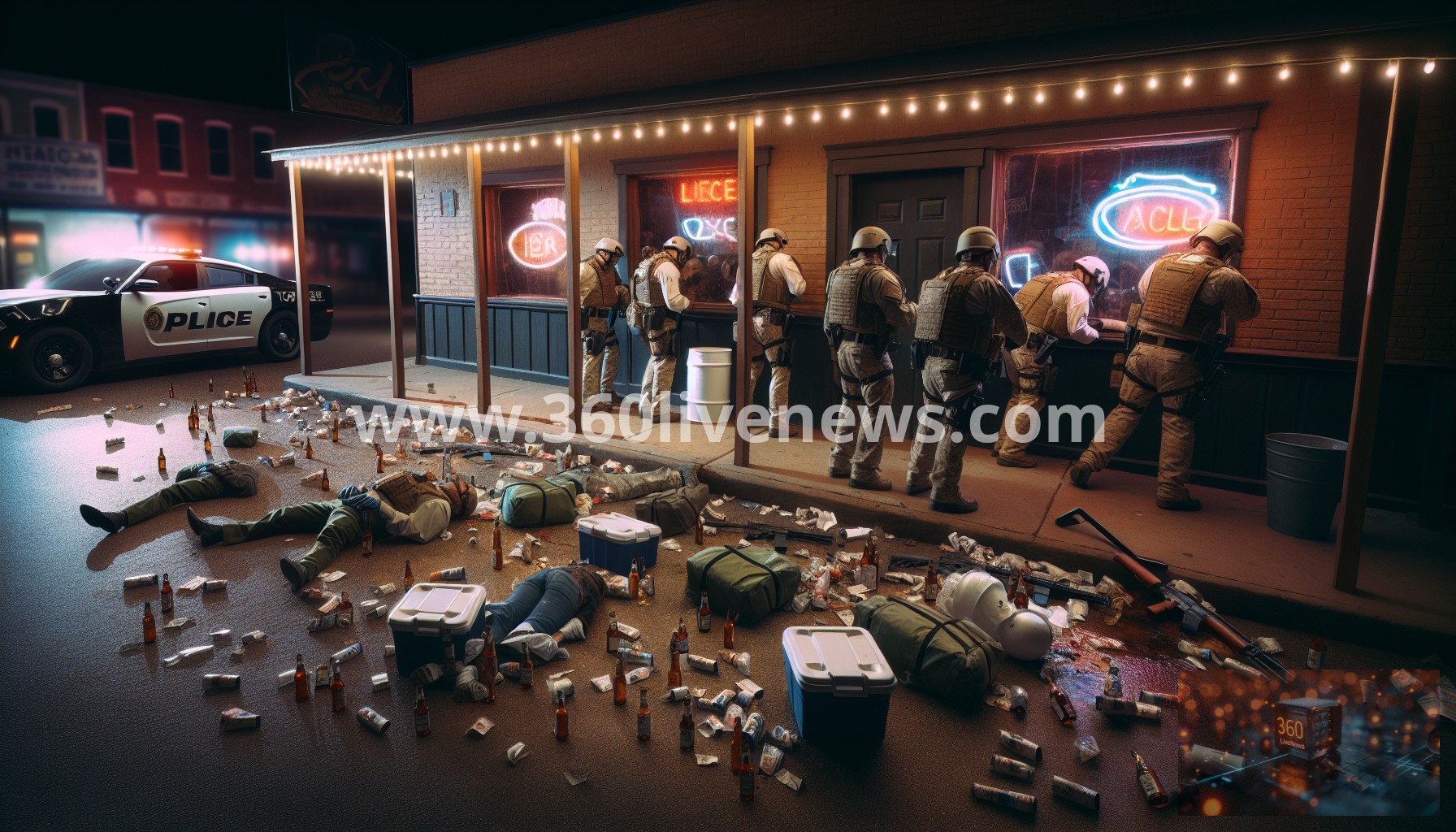
In a tragic incident early Sunday, a shooting outside Buford's bar in Austin, Texas, resulted in three fatalities, including the shooter, and left 14 individuals injured. The incident occurred around 2 AM local time in a popular entertainment area near West Sixth Street, prompting a swift response from law enforcement agencies.
Austin Police Chief Lisa Davis reported that the suspected gunman began the attack while driving an SUV. He initially fired a pistol at patrons seated on the bar's patio and in the vicinity before exiting the vehicle with a rifle and continuing the assault on passersby. Officers at the scene confronted the shooter, who was subsequently killed. The FBI has classified the shooting as potentially linked to terrorism, highlighting indicators found in the vehicle and on the suspect that warranted further investigation. However, no official confirmation of a terrorism motive has been established at this time.
The police have not yet released the names of the victims or the suspect involved in the shooting. The initial response from local medical institutions was rapid; 14 victims were conveyed to hospitals where they were treated for various injuries sustained during the attack. As this situation develops, police are working closely with federal agencies to fully evaluate the threat and any underlying motives for the violence.
This shooting follows a disturbing pattern of violence at public gatherings in the United States, which has prompted increasing concerns about safety in social spaces. In earlier phases of the conflict surrounding gun violence, there have been numerous calls for enhanced regulations and systemic reforms from various advocacy groups. The disproportionate frequency of such incidents has kept the issue in the national discourse, as community leaders, politicians, and citizens grapple with the implications for public safety and individual rights.
The implications of this incident stretch beyond immediate safety concerns. Numerous governmental and non-governmental entities will likely scrutinize the situation to assess security measures at public venues. The prospect of terrorism involvement adds another layer of complexity to the discussion. Jurisdictions across the country may now reconsider their protocols for large gatherings, particularly in popular districts known for nightlife and entertainment.
The FBI, alongside the Austin Police Department, plans to conduct a thorough investigation into the shooter's background, including any affiliations or motivations that might hint at a broader agenda or planned attacks. This assessment aligns with policies instituted in prior incidents of mass violence to identify potential threats prior to any acts of violence. Security experts have increasingly emphasized the importance of intelligence-sharing between local and federal agencies to preempt such violent acts.
Prior incidents have seen various responses from lawmakers, with some advocating for stricter gun control measures, while others call for enhanced mental health support services and community patrols. The balance between protecting individual freedoms and ensuring public safety remains a contentious issue that will likely be highlighted in the days and weeks following the Austin shooting.
This shocking incident has garnered immediate attention from civil rights advocates, who often position themselves in discussions on gun rights and public safety. The state of Texas has long been at the center of this debate, with some leaders advocating for less restrictive gun laws, while others argue for comprehensive reform. The shooting may prompt renewed legislative efforts to revisit existing frameworks surrounding individual firearm ownership and public access to weapons in civilian contexts.
As investigations continue, communities across Texas are left grappling with the emotional and psychological fallout of such violence. The effects of mass shootings are not merely physical; the anxiety and fear they generate can linger long after the immediate danger has passed. Support systems are being put in place for victims' families, as well as for individuals exposed to the violence.
The situation in Austin serves as a sobering reminder of the complexities involved in addressing violent crime in public spaces and the imperative for a comprehensive response from law enforcement and community leaders alike.
#Texas #Shooting #Austin #FBI #Terrorism #GunControl #PublicSafety #CommunityResponse
