US and Israeli Forces Conduct Airstrikes on Iranian Military Facilities Amid Escalating Conflict
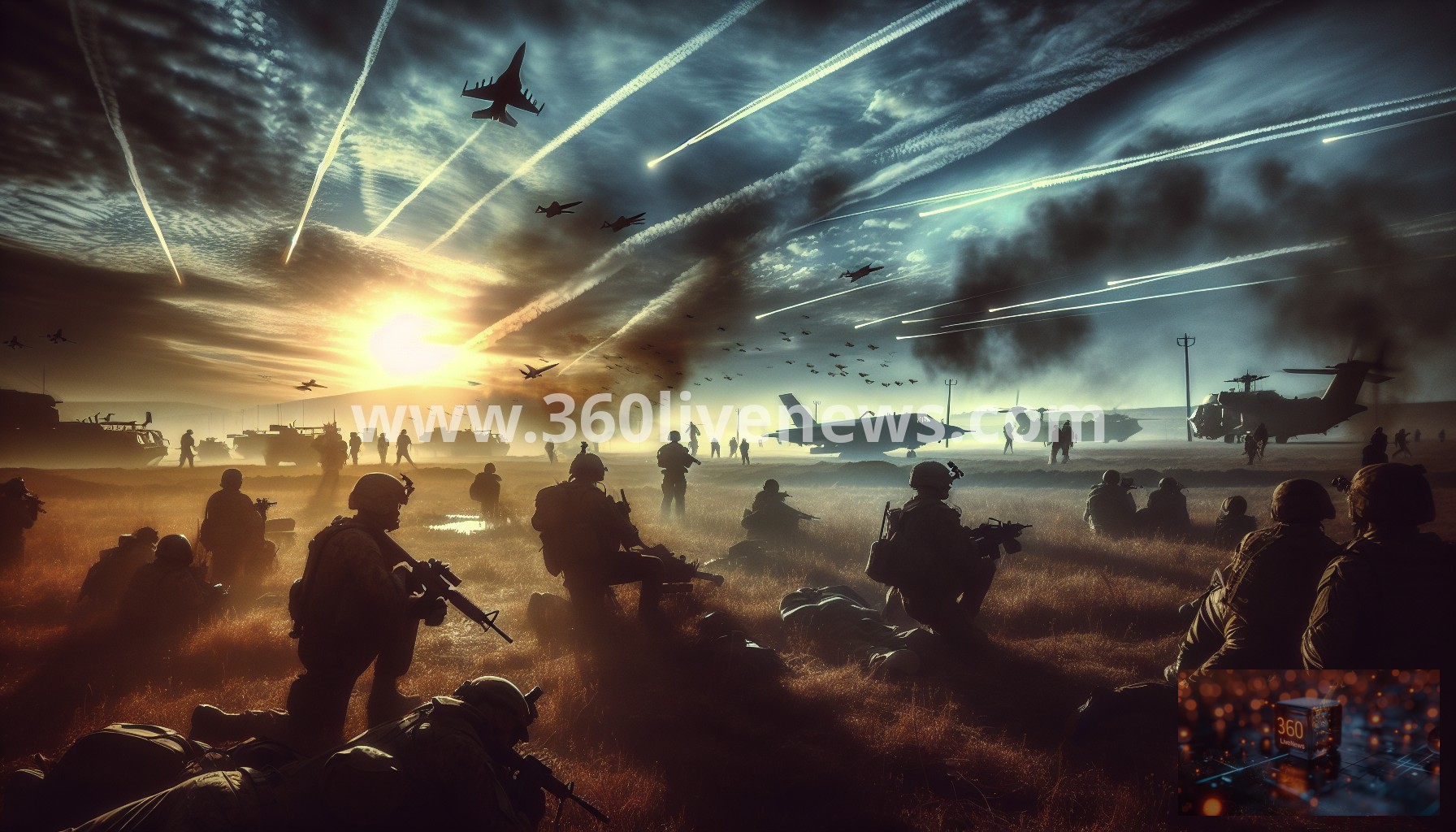
This weekend saw an escalation of military conflict involving Iran, the United States, and Israel following a series of airstrikes that resulted in significant casualties and widespread destruction. Imagery from satellite providers like Planet Labs illustrates the aftermath of attacks primarily focused on Iranian military facilities, including the Tabriz missile base located in northwestern Iran. Reports indicate that these strikes were a part of a coordinated effort by US and Israeli forces, targeting key installations to curb Iran's military capabilities.
According to official announcements, the airstrikes have caused extensive damage, particularly at the Tabriz missile base, which is categorized as a vital Iranian military asset. This site had previously been identified as a primary location for missile storage and operations. In addition to the structural devastation, there are confirmed reports of fatalities, including the death of Iran's Supreme Leader Ayatollah Ali Khamenei during these strikes, marking a pivotal moment in the ongoing military engagement.
The ramifications of this renewed conflict were quickly reflected in the global economic landscape. Following the strikes, Brent crude oil prices surged by 13%, reaching $82 per barrel, its highest point in 14 months. This increase is attributed to fears of disrupted oil supplies, particularly through the strategically crucial Strait of Hormuz, which is a significant route for international oil shipping. Stock markets around the world faced downward pressure as traders reacted to the potential for increased geopolitical instability.
International responses have varied, but a critical voice has emerged from US President Donald Trump, who issued threats of vengeance against Iran following the attacks. In a video address, he stated intentions for continued military action over an anticipated four-week period, demanding that Iranian military forces surrender or face severe consequences. Trump's remarks underscore the seriousness of the conflict and signal a commitment to escalatory rhetoric and action.
Total casualties resulting from these strikes indicate a grave situation. Initial reports confirm at least 50 deaths across multiple targets, with additional casualties likely as the conflict escalates and further retaliatory actions are taken. Iran has responded by launching drones and missiles against targets in Israel and the United Arab Emirates, raising fears of a broader regional war.
As part of Iran's retaliation efforts, the militant group Hezbollah, which is backed by Iran, has claimed responsibility for launching rockets and drones towards Israel. This retaliation aligns with past patterns wherein proxy groups have acted on behalf of Iran during times of perceived existential threats. The escalating violence places further strain on already fragile relations within the region and beyond, raising concerns among international analysts regarding a potential wider conflict.
The ongoing events are reminiscent of previous tensions between Iran and Israel, as well as the larger international community's attempts to contain Iran's military ambitions. The military operations point to an aggressive stance taken by Israel, supported by US military strategy aimed at undermining Iranian influence across the Middle East. This military engagement could shift alliances and require a reevaluation of diplomatic strategies across the region, particularly as nations weigh their responses to the intensifying conflict.
Geopolitically, the implications of these developments could drastically alter the landscape of Middle Eastern politics. Many nations may find themselves compelled to navigate the escalating hostilities, with added pressures on local economies and political stability. Analysts are monitoring how various alliances may shift as the conflict plays out, especially in light of historical precedents where military escalations have led to prolonged engagements.
Current responses from the international community remain cautious, with various governments calling for de-escalation while grappling with their economic and security interests in the region. The evolving situation underscores the necessity for enhanced diplomatic engagements between conflicting parties, and the urgency of negotiating pathways to peace before more extensive military action becomes inevitable.
#Iran #Israel #Trump #Hezbollah #OilPrices #StraitOfHormuz #MiddleEastTensions #MilitaryConflict
