Trump Confirms Continued US Airstrikes in Iran Amid Ongoing Military Campaign
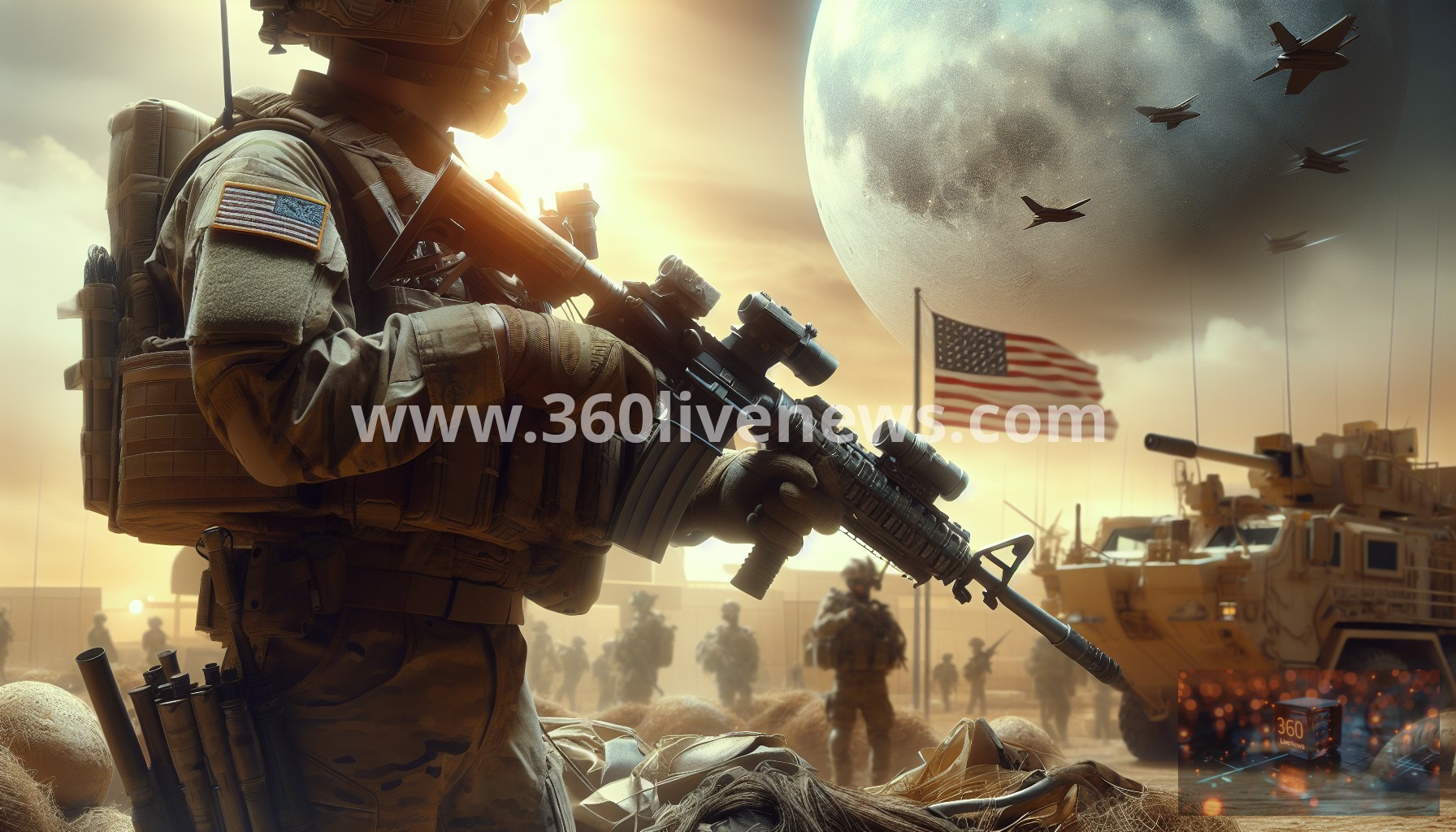
In a significant escalation of military operations, US President Donald Trump has confirmed that American forces will continue airstrikes against strategic targets in Iran. This announcement, made in the early morning hours on the third day of strikes, indicates a broader commitment to a sustained military campaign aimed at dismantling Iran’s military capabilities. Trump asserted that the operations would proceed with "ferocious, unyielding resolve" and projected the military campaign could last for four to five weeks, albeit with the potential for extension if necessary.
Trump detailed the objectives of the strikes, emphasizing the need to "eliminate the intolerable threat posed by this sick and sinister regime." He articulated that the United States aims to incapacitate Iran's missile systems, neutralize its naval forces, and prevent it from acquiring nuclear weapons. The President's rhetoric underscores the administration's posture towards Iran as tackling what they categorize as the "world's number one sponsor of terror," a designation that reflects longstanding animosities between the two nations.
As tensions rise, the conflict's implications for global energy markets are becoming increasingly pronounced. Analysts are observing heightened volatility in oil prices as a direct consequence of the military actions, which have raised concerns about the stability of energy supplies from the region. Reports suggest the conflict may disrupt shipping routes critical for oil transportation, prompting market analysts to reassess their forecasts for global oil availability as operations continue.
Official sources report that as military actions unfolded, casualties were expected to mount, raising alarms over the humanitarian impact of escalated violence. Trump himself acknowledged the potential for more casualties as the campaign intensifies, pivoting focus towards the strategic goals while cautioning the American public about the sacrifices, both military and civilian, that could arise from this conflict. Such developments reflect a stark necessity for crisis management amidst an increasingly complex geopolitical landscape.
This military operation comes amid a backdrop of growing tensions between the United States and Iran, stemming from decades of adversarial relationships marked by hostile engagements and diplomatic failures. Previously, in earlier phases of the conflict, crises have erupted over issues ranging from nuclear proliferation to regional proxy wars, leading to sanctions and military posturing from both sides. Iran's Islamic Revolutionary Guard Corps (IRGC) has often been implicated in destabilizing activities across the Middle East, further complicating negotiations aimed at reducing hostilities.
In connection with these developments, the US Treasury Department has moved to terminate the use of Anthropic’s AI technology, particularly its Claude platform. This decision aligns with Trump's broader directive aimed at rejecting external influences on national security, emphasizing a hardline stance against private enterprises that may be seen as conflicting with governmental interests. Secretary Scott Bessent explicitly stated that “no private company will ever dictate the terms of our national security,” reinforcing the administration’s resolve to maintain tight control over technologies that could impact military operations.
The ongoing military engagement against Iran may carry substantial geopolitical repercussions, influencing not only US-Iran relations but also affecting the dynamics within allied nations in the region. As the situation evolves, international actors are likely to weigh in on the implications of a sustained American military presence near Iranian borders, as well as the broader turmoil potentially triggered within the Middle East. Observers are keenly monitoring how this conflict could reshape alliances, with countries such as Israel likely to take a strong position supporting US actions against Iran, while adversarial nations may rally in defense of Iranian sovereignty.
This escalation in military action towards Iran also resonates with domestic political themes within the United States, where the administration is framing the strikes as a crucial step in a long-term strategy to combat terrorism and protect national interests. As public opinion fluctuates regarding military involvement abroad, the administration faces the challenge of maintaining public support amidst the heightened risks and potential for extended conflict, especially with casualties expected to rise.
Experts urge careful consideration of the strategic objectives set forth by the Trump administration, and the possible need for diplomatic engagements alongside military assertions. The complexities involved in dismantling hostile regimes often necessitate multifaceted approaches that blend military, diplomatic, and economic strategies. As the current military campaign unfolds, the US may be compelled to revisit its broader strategy and seek additional avenues for diplomacy once immediate operational objectives have been achieved.
#Iran #USMilitary #DonaldTrump #EnergyMarkets #Casualties #AI #NationalSecurity #Terrorism
