Israel Defence Forces authorized to seize strategic positions in southern Lebanon amid renewed Hezbollah attacks
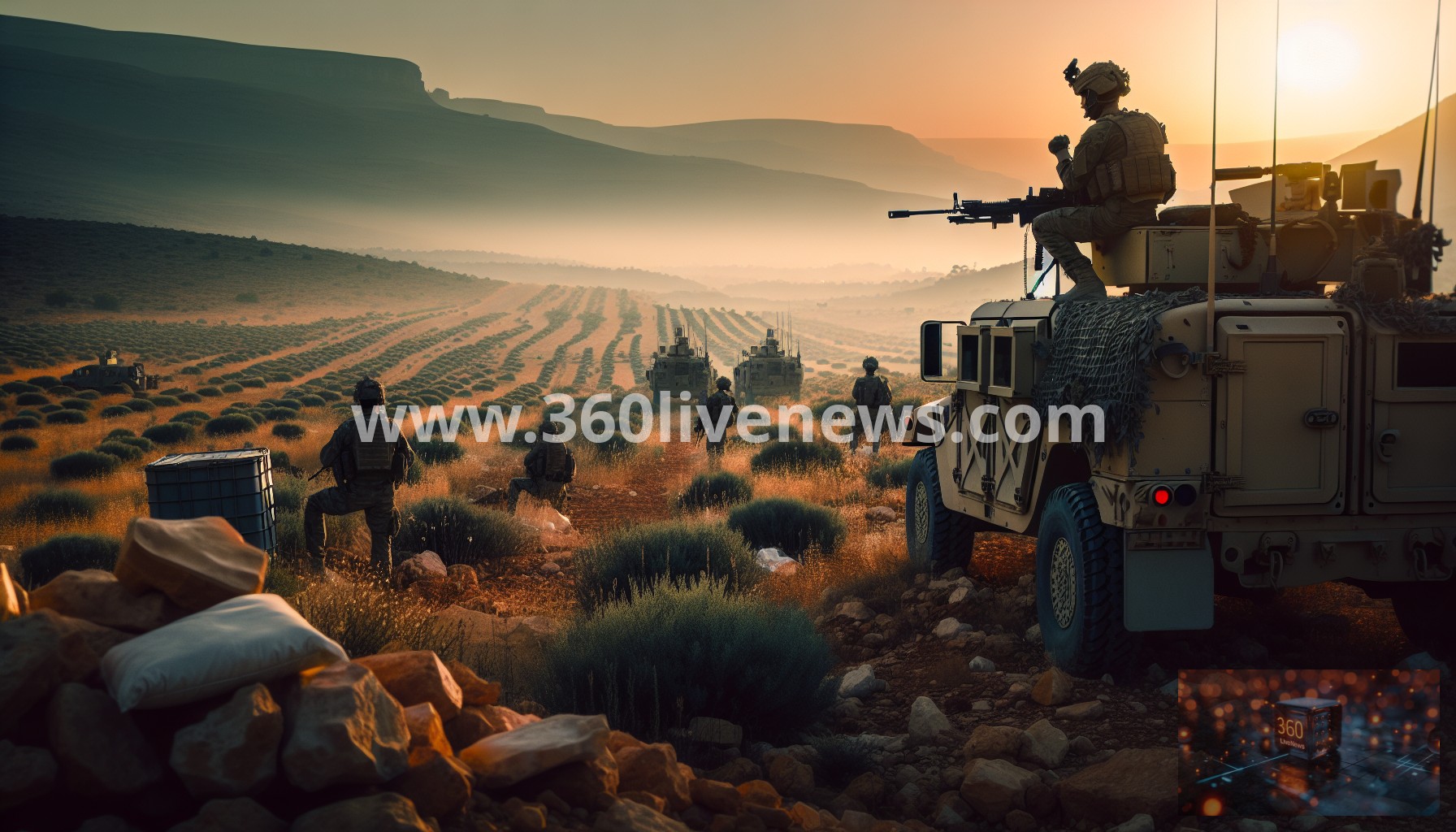
In a significant escalation of military operations, Israel Defence Forces (IDF) have been authorized to seize new strategic positions in southern Lebanon. This directive follows a series of renewed attacks from Iran-backed Hezbollah, marking a period of heightened regional tensions. Katz stated, "Prime Minister Benjamin Netanyahu and I have authorised the IDF to advance and take control of additional strategic positions in Lebanon in order to prevent attacks on Israeli border communities," emphasizing the urgency of military action due to recent threats.
Reports indicate that the IDF is actively engaging in operations in southern Lebanon, with specific military objectives to secure Israeli border areas against potential incursions by Hezbollah, which has been increasingly aggressive. This escalation in military posture comes on the heels of attacks that have seen Hezbollah collaborating with Iranian forces amidst a broader confrontation involving Israel and Iran. The evolving situation has raised alarms not only for local communities in Israel, but also within the international community observing the conflict's potential to spill over into wider hostilities.
In parallel to these military developments, Israel has also announced plans to reopen the Kerem Shalom crossing into Gaza for the gradual entry of humanitarian aid. This crossing had been closed due to heightened security concerns following attacks linked to Iranian retaliation against strikes carried out by Israel and the United States. The Coordination of Government Activities in the Territories (COGAT), the Israeli defense ministry’s body responsible for civil affairs, outlined that the decision to reopen the crossing was made based on a comprehensive security assessment. The reopening marks a critical moment for humanitarian efforts in Gaza, which had faced significant limitations amid the ongoing military tensions.
This current military escalation is rooted in a complex historical context characterized by intermittent hostilities and a series of conflicts involving Israel, Hezbollah, and Iranian influence in the region. The ongoing tensions highlight the precarious balance of power in the Levant. Previous incidents have seen the IDF engage in conflicts with both Hezbollah and Iranian military installations, each contributing to an environment of cyclical violence and retaliatory strikes.
Experts have long noted the strategic importance of southern Lebanon, particularly given its proximity to key Israeli population centers. The framework of the Israel-Hezbollah conflict serves as a backdrop to the immediate military actions underway. Hezbollah, which is heavily backed by Iran, has repeatedly positioned itself as both a political entity and a military force, engaged in conflicts that resonate with broader regional dynamics. The organization's capacity for asymmetric warfare poses significant challenges to Israeli security and necessitates a strong military response from Israel.
The geopolitical implications of these recent military operations are profound. With the reopening of the Kerem Shalom crossing, Israel aims to ease humanitarian pressures in Gaza, while simultaneously projecting military strength in the face of threats from both Hezbollah and Iranian forces. This dual approach not only addresses immediate humanitarian needs but also serves to reinforce Israel’s strategic posture in the region. The intertwined nature of military engagement and humanitarian policy illustrates the complexities faced by Israeli policymakers in navigating both domestic security considerations and international scrutiny.
As the conflict garners international attention, there is an urgent need for diplomatic engagement to mitigate tensions. The United Nations and various international organizations have expressed concern regarding the potential for escalation into a larger regional war. The alignment of US interests with those of Israel amidst ongoing hostilities with Iran complicates the diplomatic landscape, where military actions are often viewed through the lens of broader geopolitical adversities. Furthermore, regional actors monitor these developments closely, fearing implications for their own national security and foreign relations.
In summary, the Israeli military’s current operations in Lebanon represent not only a tactical response to immediate threats but also reflect longstanding and multifaceted regional dynamics. As events unfold, the ability of both Israel and Hezbollah, along with supporting powers like Iran, to navigate this volatile landscape will be crucial in determining the future stability of the region. The reopening of the Kerem Shalom crossing underscores the necessity for humanitarian considerations even amidst ongoing military conflict, highlighting the intricate relationship between security and human welfare in one of the world’s most enduring conflicts.
#Israel #Hezbollah #Iran #Gaza #IDF #HumanitarianAid #Netanyahu #COGAT #Geopolitics #MilitaryOperations #RegionalTensions #ForeignPolicy
