UK Government Considers Deploying HMS Duncan to Middle East Amid Escalating Tensions Involving US, Israel, and Iran
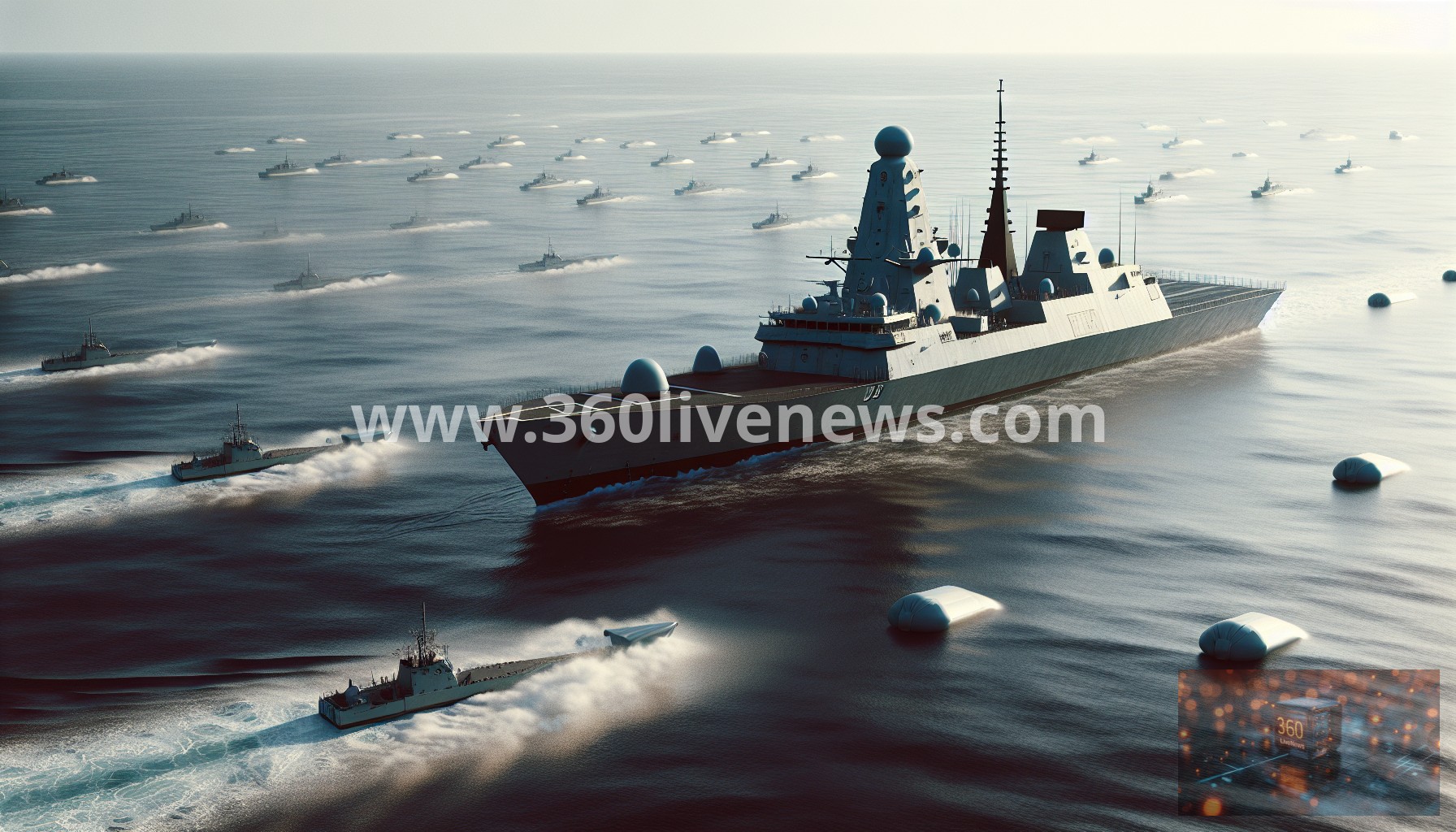
The UK government is deliberating the deployment of the Type 45 missile destroyer HMS Duncan to the Middle East amid an escalation of hostilities involving the United States, Israel, and Iran. This consideration comes as relations in the region reach a new low following airstrikes initiated by the United States and Israel, which began escalating tensions over the weekend. Currently, the conflict has progressed into its fourth consecutive day, seeing significant casualties and prompting fears for regional stability and security.
The current military actions follow the assassination of Iran's Supreme Leader, Ayatollah Ali Khamenei, reportedly conducted by joint US-Israeli airstrikes. Since the onset of the conflict, the Iranian Red Crescent Society has reported at least 787 civilian deaths in Iran, alongside the destruction of key infrastructure. Iranian forces have retaliated by targeting US interests in the region, exacerbating an already volatile situation.
Casualties continue to mount as the conflict between the US, Israel, and Iran intensifies. Eyewitness reports from Tehran describe the sounds of ongoing explosions and destruction following airstrikes that have included significant targets in the capital city. Notably, Israel has focused its air operations on compounds associated with Iranian leadership. The international community is closely monitoring these developments as they threaten to disrupt global trade and security in the region.
As part of its military response, Iran has engaged in retaliatory drone strikes against US installations, including an incident earlier where the US embassy in Riyadh was struck by Iranian drones. This attack resulted in visible damage to the embassy’s walls and roof. The US State Department has since issued warnings to its citizens about potential further risks in the region, advising them to evacuate.
In Lebanon, the conflict has further deepened, with the Iran-backed militant group Hezbollah escalating its military actions against Israel. The group has launched missiles targeting northern Israeli positions, leading to Israeli ground operations in southern Lebanon. Reports indicate that Hezbollah has adopted a more aggressive military posture, which raises concerns about a wider regional conflict drawing in nations that have historically been hesitant to engage directly.
The humanitarian situation is dire, particularly in Gaza, where UN Secretary-General Antonio Guterres has called attention to the worsening conditions. Since the initiation of conflict, Israeli forces have blocked border crossings, effectively cutting off essential aid and services to the local population. The UN has urged Israel to reopen its crossings immediately in order to alleviate the growing crisis. Humanitarian organizations on the ground report significant shortages of fuel and supplies, raising alarms over the impending humanitarian catastrophe.
The UK’s potential naval deployment represents a broader trend of international actors reassessing their roles in the Middle East amid ongoing tensions. Historical ties and security agreements with both the United States and Israel may compel the UK to increase its military presence, thereby influencing regional power dynamics and potentially altering the pace and nature of the ongoing hostilities.
Experts suggest that the introduction of HMS Duncan could symbolize a commitment to support US and Israeli operations while hedging against direct involvement in the conflict. The Royal Navy’s Type 45 destroyers are noted for their capabilities against aerial threats, making HMS Duncan a potent symbol of deterrence. However, there are also concerns that such military posturing could escalate tensions further and risks pulling the UK into a prolonged conflict.
The developments in the Middle East have underscored the complexities of geopolitics involving various state and non-state actors. Competing interests from regional players and the influence of external powers complicate any diplomatic efforts aimed at de-escalation. The situation remains fluid, and international responses will likely evolve as the conflict progresses.
#Iran #Israel #UK #HMSDuncan #Hezbollah #Gaza #UN #USEmbassy
