US Launches Operation Epic Fury, Targeting Nearly 2,000 Sites in Iran Amid Escalating Regional Tensions
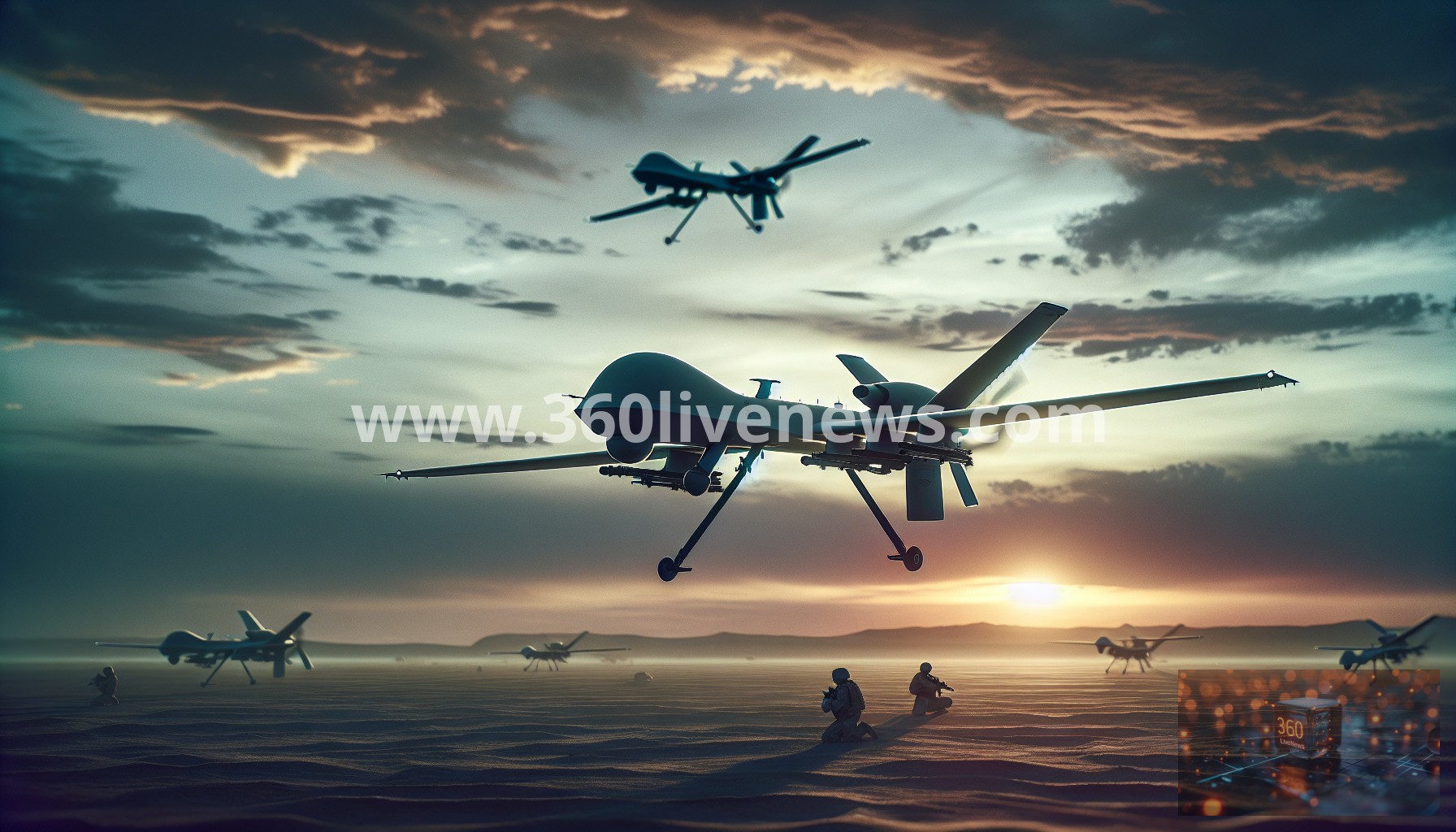
The United States has undertaken a significant military offensive against Iran, marking a critical escalation in ongoing regional tensions. This operation, dubbed Operation Epic Fury, commenced on a recent Saturday and has thus far seen nearly 2,000 targets hit across the country, as reported by US military sources. The intensity of the strikes has been described as nearly double that of the initial phase of the 2003 Iraq War, known for its overwhelming force. The ongoing military actions have resulted in substantial casualties and heightened volatility across the Middle East.
Confirmed reports indicate that at least 787 individuals have died in Iran as a result of these military actions, according to the Iranian Red Crescent. Simultaneously, fears regarding broader conflict have emerged as inquiries arise about whether the US might deploy ground troops in response to ongoing hostilities. The revelations about Operation Epic Fury have sparked discussions about the Trump administration's objectives, as it has yet to provide a comprehensive rationale for engaging in such a large-scale military campaign.
The Saudi Arabia defense ministry has also reported recent interceptions of missile strikes linked to heightened military activities in the region. On a recent Wednesday, two cruise missiles were taken down in the Al-Kharj district, which is strategically located south of the capital Riyadh. Additionally, Saudi state media announced the successful interception and destruction of nine Drone" target="_blank" rel="nofollow noopener">drones upon their entry into Saudi airspace. While the identity of the actors behind these attacks remains unspecified, these incidents highlight the increased risk of regional escalation.
In the backdrop of these military movements, diplomatic tensions between the US and Iran continue to strain. President Trump has publicly rejected Iran's attempts to engage in talks, further complicating the dynamics in this volatile zone. The administration's military response follows a series of confrontational exchanges and incidents that have characterized US-Iran relations in recent times, underscoring the possibility of a sustained conflict in the region.
The implications of this military operation extend beyond immediate conflict scenarios. The United States, by engaging in such a high-casualty military affair, is likely altering longstanding regional alliances and instabilities. Observers speculate on the potential response from Iran's government and military, which could escalate to countermeasures or retaliatory attacks aimed at US interests in the region, as well as those of its allies.
Historically, US-Iran relations have been fraught with tension, stemming back to previous military engagements, sanctions, and diplomatic standoffs. The ongoing military actions and statements from the Trump administration represent a continuation and amplification of these conflicts. With the region on edge, the orders issued for enhanced military presence and protection of shipping routes in vital waterways like the Strait of Hormuz underscore fears of expanded hostilities and a potential direct clash with Iranian forces.
Analysts suggest that the recent military escalation could also provoke wider international reactions, particularly from countries reliant on oil shipping through these critical maritime corridors. The US Navy may need to escort commercial tankers more frequently through the Strait of Hormuz, an essential route for global oil transport that has previously been the target of Iranian threats and interventions. Thus, the implications of these military operations may reverberate through global markets and geopolitical relations.
As the situation develops, regional and international entities are assessing their strategies and responses. The US's military actions send a clear signal regarding their commitments in the Middle East, yet also raise questions about their long-term strategy and potential fallout. The Trump administration's foreign policy approach appears to be directing the US into a more aggressive posture, increasing the urgency for diplomatic resolutions, or, should they fail, an expanded military presence.
In summary, the recent initiation of Operation Epic Fury and the significant casualties that have occurred thus far signal a profound shift in the US-Iran dynamic. As the potential for broader conflict looms, the international community watches closely for developments and responses that may influence the stability of the Middle East and beyond. The stakes are high, as military engagements in this charged environment could have long-lasting repercussions.
#MiddleEast #Iran #USMilitary #Trump #SaudiArabia #OperationEpicFury #Geopolitics #StraitofHormuz
