Spanish Prime Minister Pedro Sánchez condemns U.S. military action in Iran following the death of Ayatollah Ali Khamenei
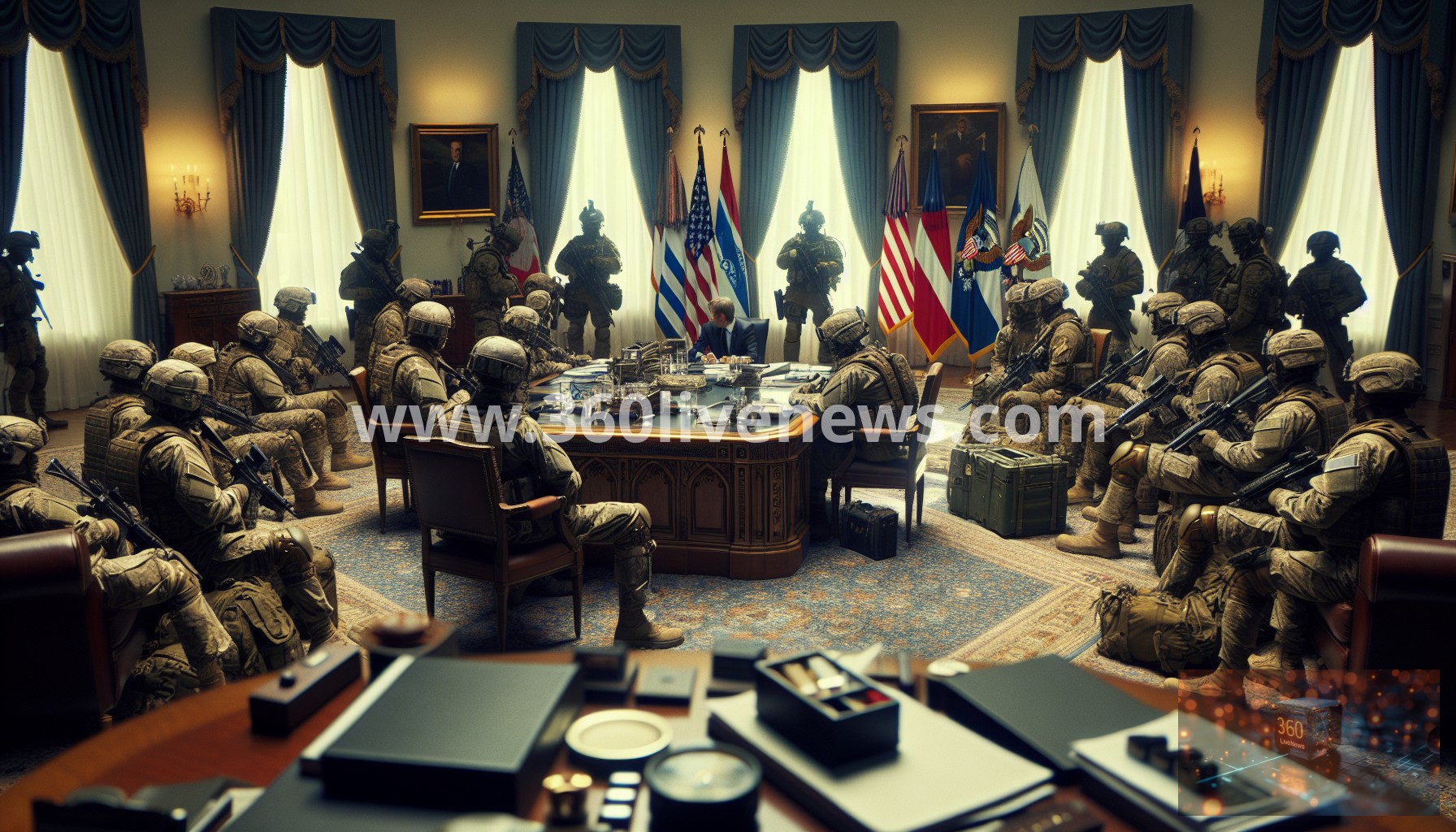
Spanish Prime Minister Pedro Sánchez has publicly condemned the U.S.-led military action in Iran, marking a significant divergence from the response of several other European leaders. His critique follows the U.S. attack that reportedly resulted in the death of Iranian leader Ayatollah Ali Khamenei, sparking fears of escalating conflict in the Middle East.
Sánchez's comments, made during a press conference, underscore his refusal to acquiesce to U.S. President Donald Trump’s threats of trade retaliation, which have become a hallmark of the current U.S. administration's foreign policy. This stance highlights Spain's position as a vocal critic of unilateral military engagements, where many European allies have opted for more conciliatory language.
The military offensive initiated by the United States has ramped up tensions not only in Iran but across the region, drawing responses from various international leaders. Trump's hawkish tactics represent a stark shift from a previous narrative of diplomatic engagement, leading to fears of a potential wider conflict involving various regional players.
Sánchez's remarks reflect a broader concern among European nations regarding the implications of U.S. military actions and the potential repercussions for international relations. By openly challenging Trump’s military strategy, Sánchez is positioning Spain as a proponent of Diplomacy" target="_blank" rel="nofollow noopener">diplomatic solutions over military intervention, aligning with efforts by other EU leaders advocating for de-escalation and negotiation.
In recent days, reports have emerged detailing the immediate impact of the U.S. actions, including increased military mobilizations and heightened security measures across the Middle East. Countries such as Oman and those with close U.S. ties are now reassessing their positions, concerned about spillover effects from the conflict in Iran. This precarious balance of power is critical as it unfolds amidst an already complex Geopolitics" target="_blank" rel="nofollow noopener">geopolitical landscape.
The situation is reflective of the growing split within the international community regarding military interventions. While some countries rally around Trump’s assertive military posture, others, like Sánchez, are advocating for dialogue and restrained responses. This debate over military engagement versus diplomatic negotiations remains particularly salient as the region grapples with the ramifications of ongoing hostilities.
As international leaders call for restraint, the focus now shifts toward existing diplomatic channels. A recent statement from the European Union emphasized the importance of a united front in addressing Iranian aggression through non-military means. This marks an essential phase in negotiations which have often faltered under the weight of military posturing and sound bites from the U.S. administration.
With the geopolitical stakes at a critical juncture, Sánchez's condemnation not only signals Spain's foreign policy priorities but also opens discussion on the future of international relations under the current U.S. administration. The implications for the stability of the Middle East are profound, as military actions threaten to complicate prospects for peace and further entrench divisions among global powers.
#Iran #Trump #PedroSánchez #MiddleEast #EuropeanUnion #USMilitary #Diplomacy #GlobalPolitics
