Airstrikes Target Military Installations Along Iran-Iraq Border Amid Escalating Tensions Involving US and Israel
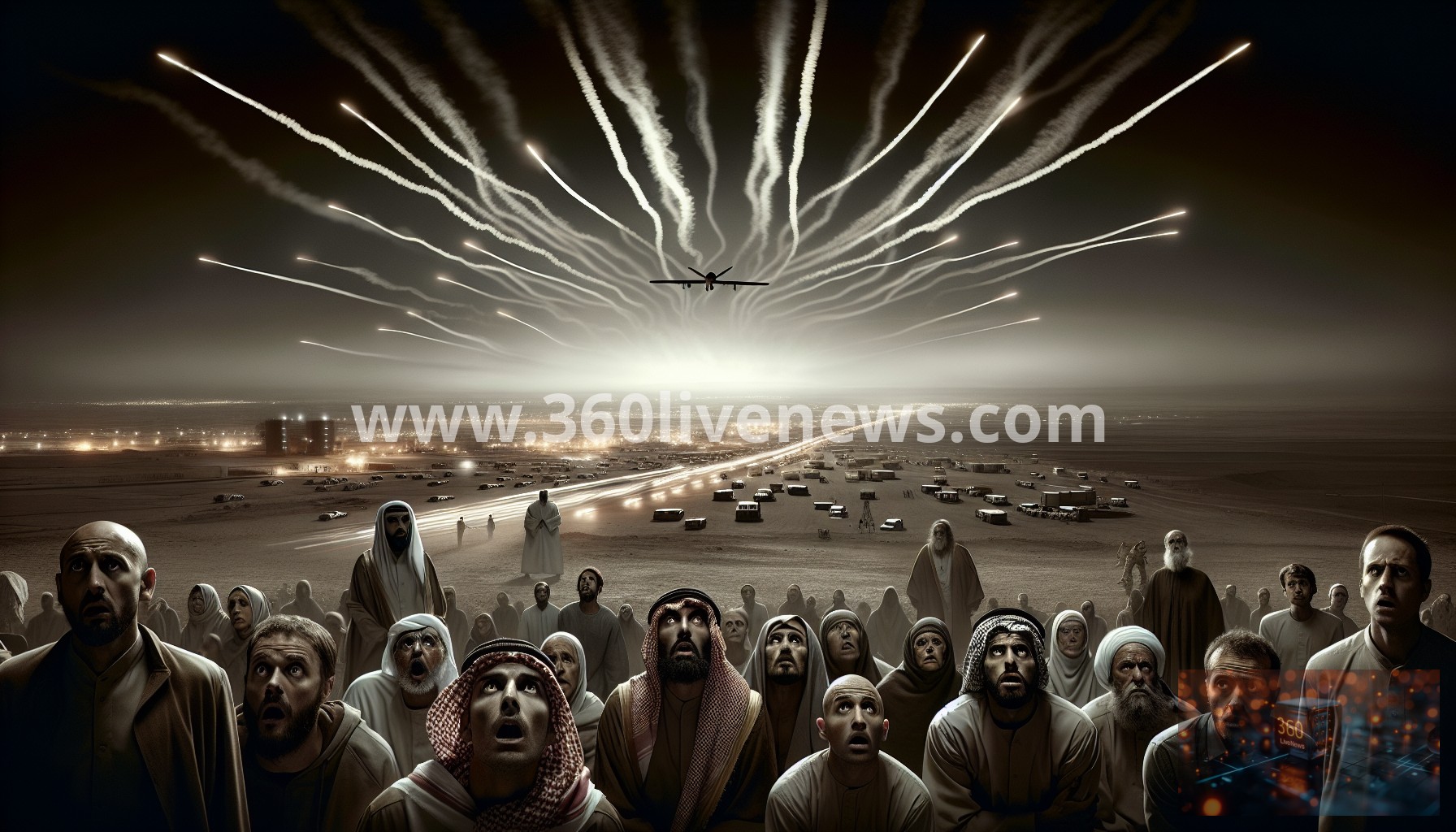
Intense airstrikes have been reported along the Iran-Iraq border, targeting numerous military installations, police stations, and frontier posts in northern Iran. These operations are viewed as a preparatory step by the United States and Israel to expand their military campaign against Iranian forces. According to military sources, these airstrikes may signify the opening of a new front in the ongoing conflict involving Iran.
Military officials indicate that these strikes, which have hit dozens of military positions, are intended to degrade Iranian capabilities significantly. A spokesperson for the Israeli military elaborated on this strategy, stating that the air force was actively involved in operations aimed at creating more freedom of movement towards Tehran. Such actions appear to indicate a focused attempt to alter the power dynamics in the region, particularly concerning the activities of Iranian forces along its northwestern border.
Reports suggest that the escalation of airstrikes coincides with plans to mobilise Kurdish peshmerga fighters from northern Iraq. A US official with knowledge of ongoing discussions between Washington and Kurdish leaders confirmed that the US is prepared to offer air support should Kurdish forces cross into Iran to conduct offensive operations. This potential collaboration raises significant concerns regarding the implications for regional stability, especially regarding the potential impact on Iran's ethnic communities and the risk of civil strife.
In addition to the military actions, the geopolitical backdrop includes recent attempts by US lawmakers to rein in presidential war powers concerning engagements in the Middle East. A recent measure aimed at limiting President Trump's authority to conduct military actions in Iran was thwarted, as a near-unanimous vote among Republicans blocked this initiative. This legislative backdrop further highlights the complexities involved in US military strategy and the political environment shaping decisions in the region.
Sources indicate that both Axios and Fox News have reported that Iranian militias have begun their offensive operations inside Iran in response to these military preparations. However, as of now, there has been no official confirmation regarding the numbers or organization of fighters involved in these operations, nor the specific areas they are targeting within Iran.
The historical context of US-Iran tensions plays a crucial role in understanding the current military dynamics. Following decades of animosity, particularly after the 1979 Iranian Revolution, the United States has consistently viewed Iran as a regional adversary. This perspective has led to an ongoing series of confrontations characterized by military engagements, economic sanctions, and diplomatic standoffs. The complexities intensify with Israel's longstanding concerns about Iranian military capabilities, particularly their threat to Israeli national security.
As the situation unfolds, the potential for increased Iranian involvement in Iraq and the mobilization of Kurdish forces could further complicate the regional landscape. Experts warn that backing various ethnic groups within Iran may precipitate additional instability and even civil conflict, creating a 'hornet's nest' of challenges for US and allied military strategies.
Countries in the region are now watching closely as the ramifications of these military actions could unfold in various unpredictable ways. The United States and Israel's strategic calculations regarding Iran's military capabilities underscore the high stakes involved, not only for Iranian forces but also for US allies and regional actors aiming to maintain influence and stability.
In summary, the unfolding developments along the Iran-Iraq border are indicative of a possible escalation in military operations by the US and Israel against Iranian forces. As these airstrikes continue and Kurdish forces potentially mobilize, the implications for the geopolitical landscape in the Middle East remain significant and fraught with potential unintended consequences.
#Iran #Iraq #Israel #Airstrikes #Military #Kurdish #Geopolitics #Trump
