Russian LNG tanker sinks in Mediterranean after alleged Ukrainian drone strike
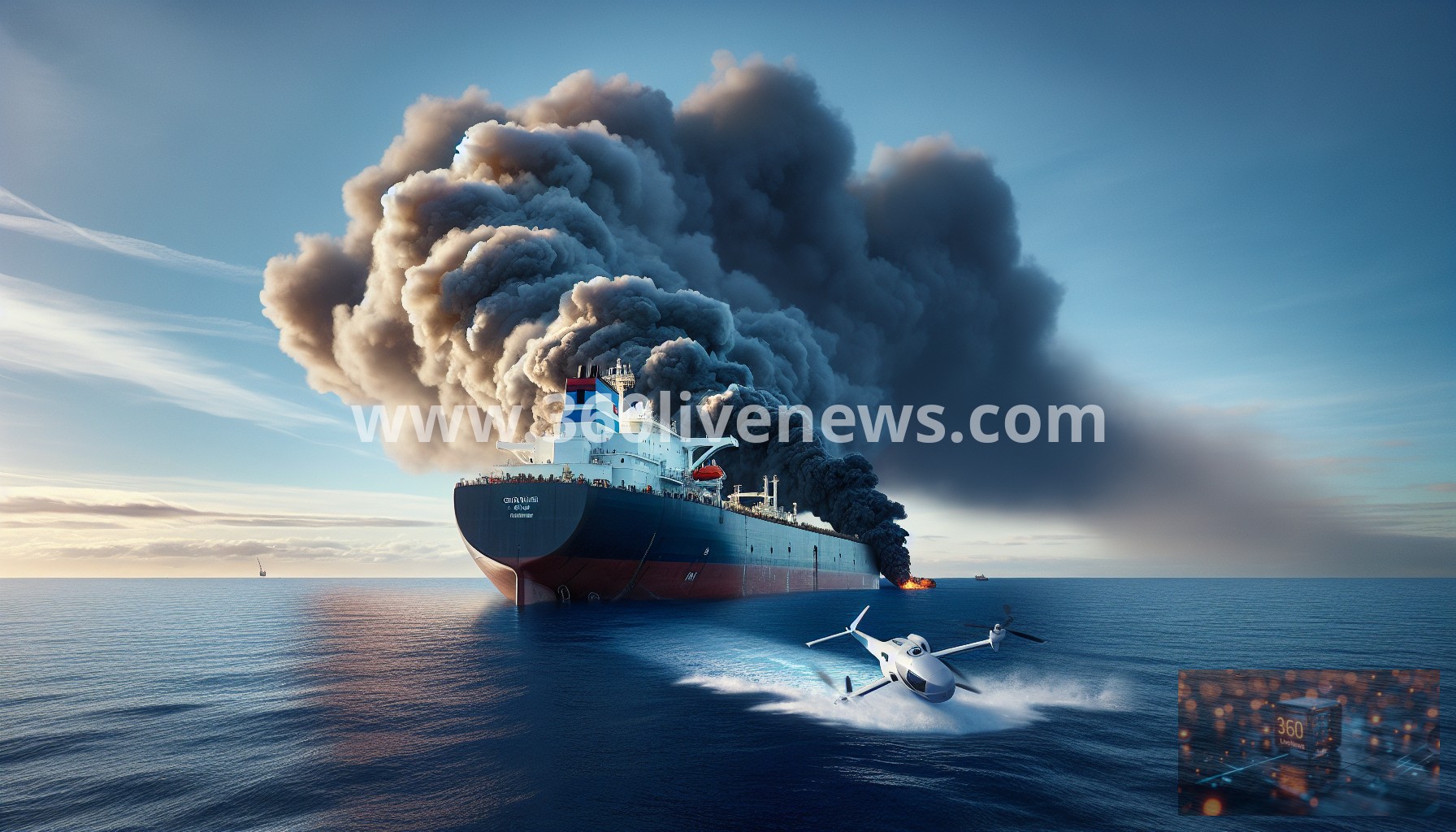
A significant escalation in the ongoing conflict between Russia and Ukraine has unfolded in the Mediterranean Sea, where the Russian LNG tanker, Arctic Metagaz, has sunk following an alleged drone strike by Ukraine. Sharing the incident details, Moscow claimed that Ukrainian drones targeted the ship late on a recent Tuesday night while it was approximately 150 miles (240 km) off the coast of Libya, carrying 61,000 tonnes of liquefied natural gas (LNG). Although there were no fatalities reported among the crew of 30, the vessel went ablaze before ultimately sinking.
The Russian government has strongly condemned this alleged act, with President Vladimir Putin asserting that Ukraine launched the attack from the Libyan coast. This incident has led to the Libyan maritime rescue agency issuing warnings for vessels to steer clear of the area where the tanker sank. Moscow's Transport Ministry reiterated accusations of Ukraine's involvement, indicating a direct assault on its maritime assets amid the ongoing geopolitical tensions.
The Arctic Metagaz was under US and EU sanctions at the time of the attack, further complicating the geopolitical landscape surrounding the incident. Despite the gravity of the situation, Ukrainian officials have not yet responded to the claims regarding their involvement in the attack. This silence casts uncertainty over Kiev’s strategic messaging amidst a broader conflict that is becoming increasingly complex due to external geopolitical factors.
The day after the sinking, reports emerged that Ukrainian drones had also caused damage to civilian sites in the southwestern Russian region of Saratov. Roman Busgarin, the governor of the region, confirmed that the drone strikes had forced the closure of Saratov airport and led to injuries among civilians, highlighting the escalating frequency of drone-based attacks within Russian territory. Three confirmed injuries were linked to these incidents, marking a significant uptick in the operational capabilities of Ukrainian forces.
As tensions mount, the incident has injected further volatility into an already precarious energy market. Analysts assert that a prolonged energy crisis, exacerbated by conflict in the Middle East, could provide an economic boost to Russia. Should supply chains be disrupted in the Middle East, buyers may increasingly turn to Russian energy sources, a scenario that could fundamentally alter the dynamics of the ongoing war and Russia's position in the global energy market.
Ukrainian President Volodymyr Zelenskyy, however, has indicated a willingness to resume trilateral talks with the United States and Russia aimed at resolving the conflict once the situation in the Middle East stabilizes. Discussions with Middle Eastern leaders, including the king of Bahrain and the crown prince of Kuwait, on the broader implications of the Middle East conflict were confirmed during Zelenskyy's address earlier this week.
This incident marks a critical juncture in the Ukraine conflict, bringing maritime operations into sharper focus. It underscores the strategic importance of the Mediterranean as both sides leverage drone technology for tactical advantages. The precedent of a direct naval confrontation raises significant security and diplomatic concerns, potentially drawing Western involvement or increased vigilance from NATO allies.
Historically, both Russia and Ukraine have utilized cyber and drone warfare as central components of their military strategies. This recent attack aligns with patterns seen earlier in the conflict, where both sides have increasingly targeted each other's critical infrastructure, including energy supplies and transportation networks. Experts argue that the emergence of maritime drone warfare will likely redefine the operational limits within this theatre of conflict, requiring both sides to enhance their naval defenses.
From a broader geopolitical perspective, the situation in Ukraine intersects with instability in the Middle East, particularly amid ongoing military actions involving the United States in Iran. With western arms supplies to Ukraine potentially slowing, the political calculus in Moscow may change, as Russia finds opportunities to capitalize on shifting energy dependencies and military engagements.
The ramifications of this incident could extend beyond immediate military consequences, potentially reshaping energy markets and international alliances. As global energy demand fluctuates due to crisis in traditional supplier regions, developments such as the recent sinking of the Arctic Metagaz may lead to longer-term consequences for both regional stability and global energy security. The situation remains fluid, with stakeholders on high alert for further developments.
#Ukraine #Russia #LNG #Mediterranean #DroneStrike #Conflict #Energy #Military
