Iranian military conflict with US and Israel airstrikes escalates into sixth day, impacting civilian structures and raising humanitarian con
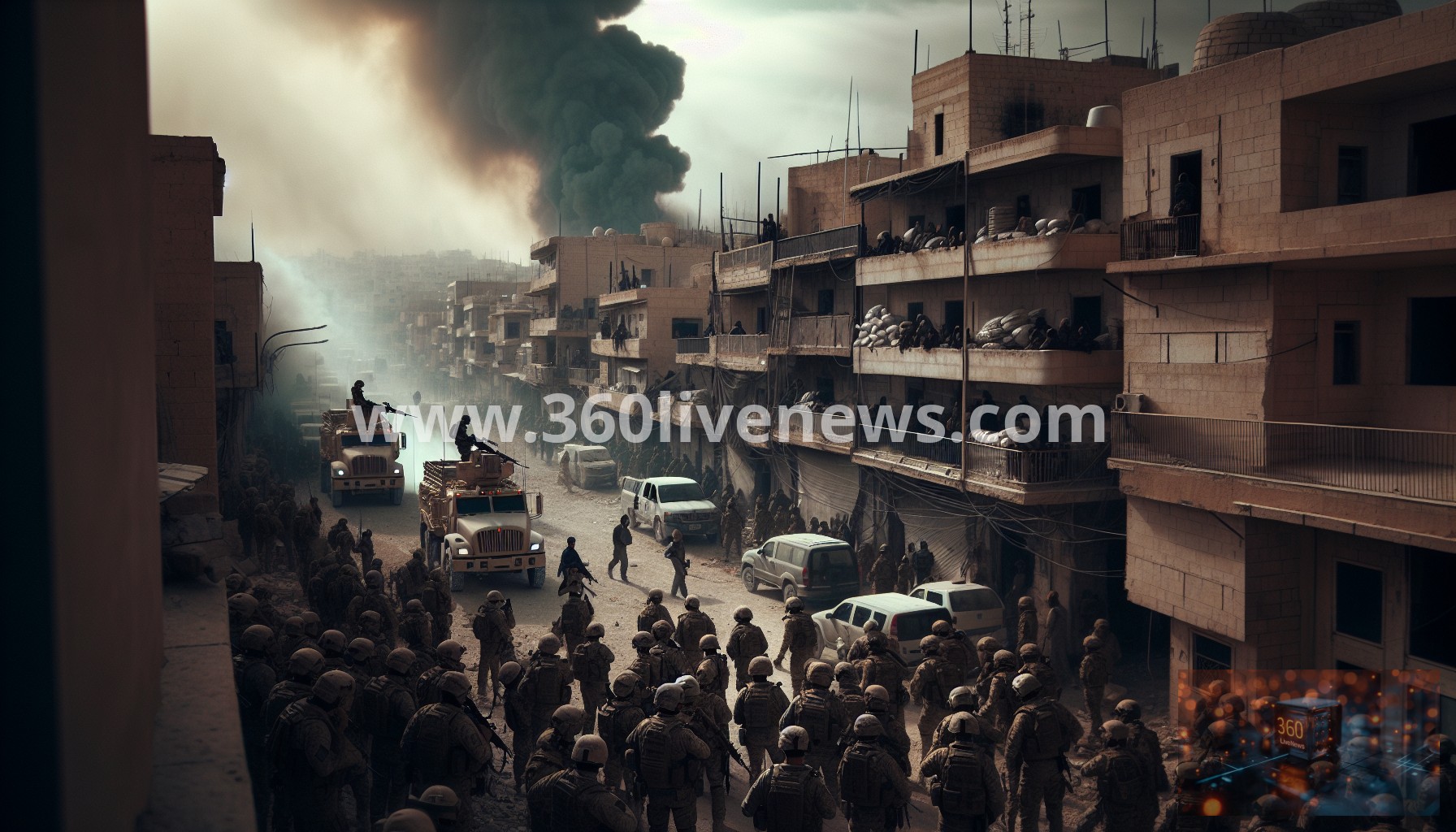
The conflict involving Iranian military forces and a coordinated airstrike campaign led by the United States and Israel has entered its sixth day, marked by a significant escalation in violence. As airstrikes continue to intensify, reports indicate that civilian structures, particularly schools, have become unfortunate targets. This latest wave of attacks raises alarms about the potential for broader implications across the Middle East and ongoing humanitarian crises.
On Thursday, military operations have reportedly intensified, with multiple sources confirming that US and Israeli missiles struck two schools located in Parand, a town situated southwest of Tehran. Eyewitness accounts and images released by Iranian media depict extensive damage to one classroom, alongside collateral damage to nearby residential units. This attack occurs less than a week after a devastating strike in Minab resulted in the deaths of 165 individuals, primarily schoolgirls aged between seven and twelve, igniting outrage and condemnation from Iranian officials.
The Iranian authorities have confirmed the death toll from the Minab strike, stating it has reached 165. Additionally, at least 95 individuals sustained injuries during this tragic incident. Iranian media outlets are also reporting continued bombings across the country, which they assert are moving away from military targets and deeply impacting civilian lives. Activists are emphasizing the urgent need for international monitoring and response to prevent further casualties stemming from these operations.
Compounding the conflict’s complexity, Israel has also extended its campaign into Lebanon, now entering its fourth day. Since the onset of attacks in Lebanon, at least two casualties have been reported. Israeli forces have engaged with Hezbollah militants in border towns, escalating tensions following the group's assaults against Israel. Hezbollah's military responses were prompted by the loss of Ayatollah Ali Khamenei, the Iranian supreme leader, allegedly during earlier US-Israeli strikes.
Amidst these developments, Iranian officials have accused foreign powers of exacerbating the situation, issuing warnings stating they will retaliate against actions perceived as provocations, even beyond the immediate battle zone. The emergence of regional instability underscores the growing peril, as Iran also targets Kurdish groups based in Iraq, reflecting its efforts to deal with various threats from multiple fronts.
The strategic landscape has noticeably shifted, with experts noting a potential transition of the conflict into a logistical battle, as articulated by General Dominique Trinquand, the former head of the French military mission to the UN. He emphasized that understanding the remaining capabilities of Iranian military resources is crucial for forecasting the war's trajectory, particularly regarding the availability and functionality of missiles and drones. This logistical aspect adds a layer of complexity for both the US and Israeli forces as they navigate this volatile environment.
Internationally, the airstrike campaigns initiated by the US and Israel have sparked fears of a regional crisis escalation. Displacement figures continue to rise dramatically, with over 83,000 people reported displaced in Lebanon due to the fighting. Humanitarian affiliations have called for immediate ceasefires to address the dire needs of civilians caught in the conflict, highlighting the catastrophic humanitarian implications that accompany such hostilities.
Moreover, the ongoing conflict poses potential long-term geopolitical ramifications. The previous tumultuous dynamics among Iran, Israel, and the US, driven by longstanding tensions and regional rivalries, are likely to be exacerbated by the current conflict. Observers are closely monitoring these developments, particularly in light of the potential for increased military operations in various regions, impacting countless civilians.
The strategic ramifications of the conflict are profound, with implications stretching from the balance of power in the Middle East to the humanitarian conditions faced by civilians both in Iran and Lebanon. As the hostilities further escalate, the international community may need to prioritize a diplomatic approach to mitigate the tragic and often avoidable humanitarian crises emerging as a result of military actions.
#Iran #Israel #Hezbollah #airstrikes #war #humanitarian #missiles #military
