UK Border Force officer faces court over allegations of involvement in covert surveillance of Chinese nationals in Britain
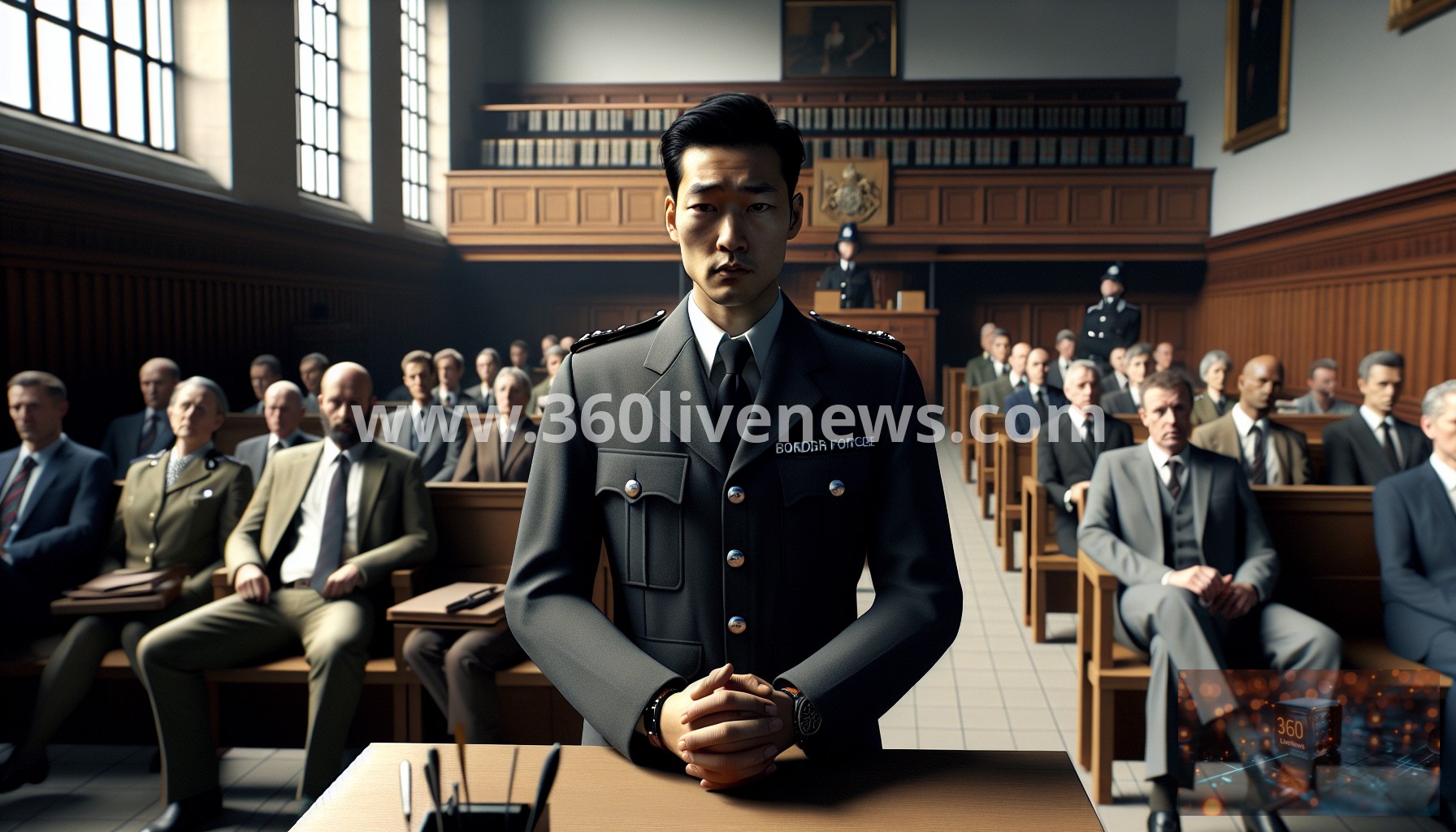
A UK Border Force officer, Chi Leung "Peter" Wai, has appeared in court facing serious allegations that he participated in a covert operation to surveil and investigate Chinese nationals residing in Britain. The trial, ongoing at the Old Bailey, has revealed that Wai, who also goes by the nickname "fatboy", was implicated in a "shadow policing operation" that reportedly extended its influence from Hong Kong to various locations across the UK, including Pontefract in Yorkshire.
The prosecution, led by Duncan Atkinson KC, claims that Wai was assigned tasks by Chung Biu "Bill" Yuen, a retired officer of the Hong Kong Police Force employed by the Hong Kong Economic and Trade Office (HKETO) in London. Charges against both men are currently framed under the National Security Act.
Central to the prosecution's argument is the allegation that the operation was geared towards filming and surveilling dissidents, with the court presentation showing footage of a woman in Pontefract who answered her door in pink pyjamas. This surveillance purportedly took place without the consent of the individuals being targeted, raising significant ethical and legal questions regarding the powers of foreign agencies in the UK.
Wai's alleged activities as part of the operation have been described as akin to “shadow policing,” highlighting concerns regarding the extraterritorial reach of Hong Kong's security apparatus and the implications for Chinese nationals living in the UK. Atkinson pointed out that the operation involved individuals associated with the Hong Kong authorities acting as if Pontefract were a part of China, emphasizing the seriousness of the autonomy breach.
Historically, the UK has maintained a complex relationship with China, especially in matters of security and human rights. Concerns surrounding Chinese government influence, particularly since the implementation of the National Security Law in Hong Kong, have prompted increased vigilance in both diplomatic and domestic contexts.
The relationship between Hong Kong and its former colonial ruler, the UK, has sharply deteriorated over the years, especially following protests in Hong Kong and accusations of human rights abuses against pro-democracy activists. This backdrop provides context for the alleged surveillance efforts undertaken by Wai and Yuen, which appear to be a manifestation of wider trends in Chinese policy toward dissidents abroad.
Legal experts have indicated that the implications of this case extend far beyond the individuals charged. It raises broader questions about the rights of foreign nationals in the UK and the extent to which foreign governments can operate in this jurisdiction. As the world grapples with issues of sovereignty and state influence, this case could serve as a touchstone for future discussions about international relations and domestic law enforcement practices.
Statements issued by both the UK Home Office and the Foreign, Commonwealth & Development Office reflect ongoing concerns regarding foreign influence and the safeguarding of UK citizens, especially in light of reports of aggressive tactics employed by foreign states against dissidents. As the trial progresses, further revelations may emerge, potentially influencing government policy on international law enforcement cooperation.
As the situation develops, observers are noting how this case fits into a broader pattern of espionage allegations involving foreign states. It underscores the ongoing tension between national security interests and the legal protections afforded to individuals on British soil. The trial is expected to pave the way for a public discourse on the adequacy of existing legal frameworks to manage the complexities of modern international relations and surveillance.
#China #UK #HongKong Surveillance">#Surveillance Justice">#Justice #NationalSecurity #BorderForce #LegalSystem
