Debris from intercepted Iranian missile ignites fires near Petach Tikva, prompting firefighting efforts
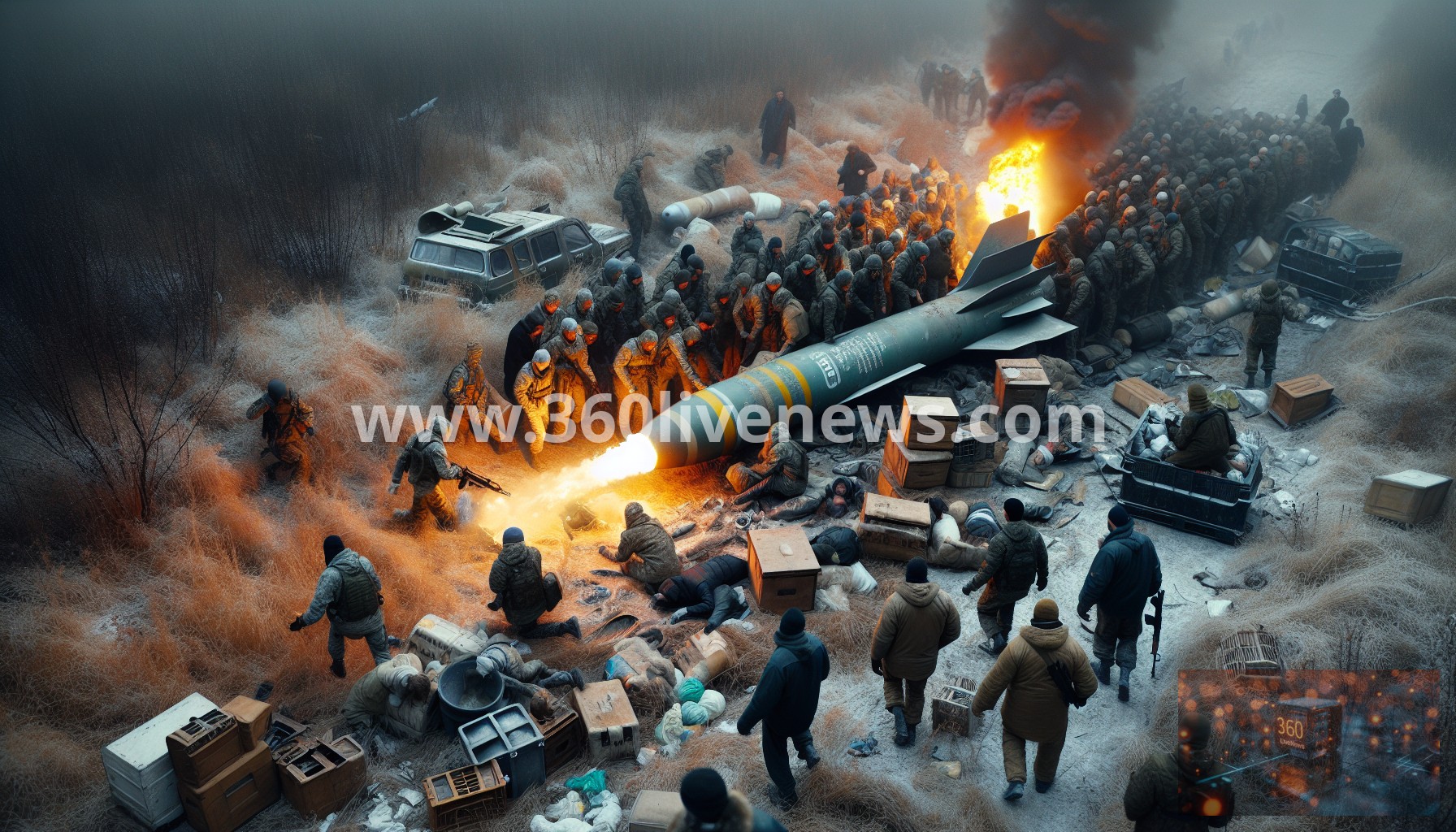
Recently, an incident involving debris from an intercepted Iranian missile has sparked fires near Petach Tikva, a city in central Israel. The flames ignited by the debris have prompted efforts from local firefighters to control the situation. Video footage from the scene highlights the extent of the fires and the measures being undertaken to extinguish them.
This incident is a part of the ongoing tensions between Iran and Israel, rooted in a protracted conflict over security and military operations in the region. Iranian missile capabilities have consistently been a point of concern for Israeli defense authorities, particularly as they relate to perceived threats against Israeli territory. The interception of this missile, along with the resulting debris landing in a populated area, underscores the immediacy and potential dangers of such military confrontations.
Eyewitness accounts from the scene describe a rapid response from emergency services, with locals expressing both shock and fear regarding the implications of such an event. As firefighters continue to combat the fires ignited by the missile debris, local authorities are assessing the damage and the potential risks of further incidents. This is not the first time that missile fragments have posed a danger to civilian populations in Israel, reflecting the ongoing volatility in the region's security landscape.
The interception of the missile indicates Israel's extensive defensive measures, designed to protect its citizens from Iranian military capabilities. The Iron Dome missile defense system, utilised by the Israel Defense Forces, has been pivotal in neutralising various aerial threats, including missiles that could potentially cause significant civilian harm. Despite these advanced defense systems, the landing of the missile debris poses serious questions about the potential for miscalculation in future engagements between the two nations.
In terms of institutional backdrop, the ongoing rivalry has roots in historical conflicts and more recent geopolitical dynamics. The Iranian military, backed by various paramilitary groups throughout the region, has often targeted Israeli interests, leading to retaliatory actions from Israel that further escalate tensions. The frequent exchanges of fire and missile launches are emblematic of a broader conflict that includes issues relating to territorial integrity and national sovereignty.
This latest episode is set against a backdrop of fraught diplomatic relations, largely influenced by Iran's regional ambitions and Israel's efforts to ensure its security. Both nations have engaged in a series of diplomatic maneuvers, with Iran's missile development program frequently eliciting responses from Israel and its allies, including the United States. The situation continues to evolve, with both countries remaining on alert for potential further military actions.
The implications of this incident extend beyond immediate fire control efforts. As this event unfolds, it may trigger renewed conversations among international bodies such as the United Nations regarding arms control and the accountability of state and non-state actors in conflict zones. Additionally, the likelihood of bilateral talks could diminish as tensions rise, particularly if similar incidents occur in the future.
This event highlights the precarious balance in Middle Eastern geopolitics, where military confrontations can have broader ramifications. Particularly, it showcases the ongoing need for diplomatic efforts to de-escalate military tensions and to explore paths toward more stable regional relations. Peace talks and negotiations, which often appear stalled, become even more critical in light of such incidents, as they illustrate the potential for all-out conflict if misunderstandings escalate.
In conclusion, the recent incident involving missile debris in Petach Tikva serves as a stark reminder of the fragile security situation in the region. Firefighting efforts are crucial at this moment, but the longer-term implications regarding Iran-Israel relations require urgent attention from local and international stakeholders seeking to prevent further escalations of violence.
#Iran #Israel #Missiles #Military #PetachTikva #Conflict #Defense #Geopolitics
