Hezbollah warns Israeli residents near border to evacuate amid intensified airstrikes on southern Lebanon
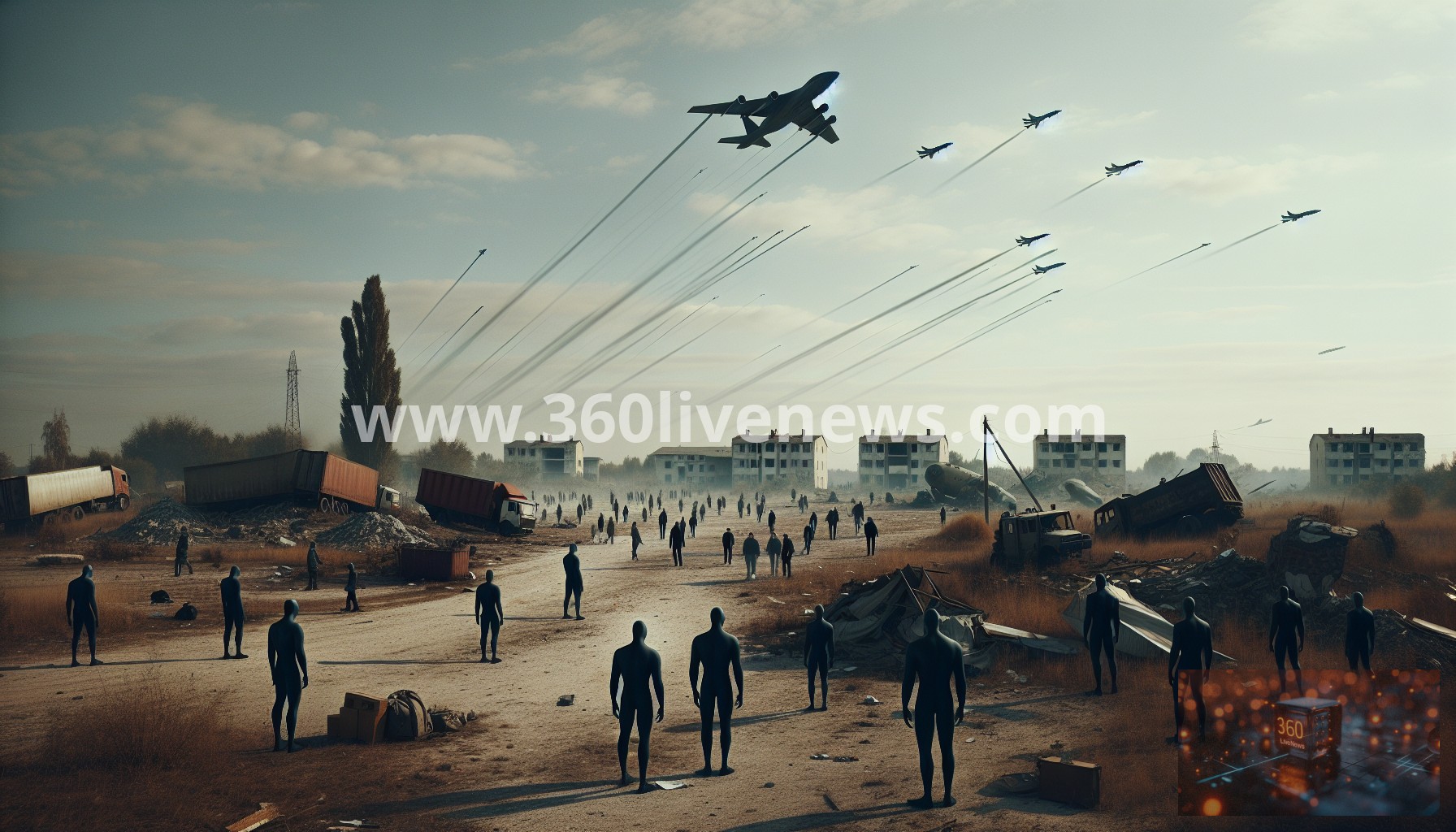
Hezbollah has reportedly issued a warning to Israeli residents living near the Lebanese border, urging them to evacuate their towns and villages as Israel continues to launch heavy airstrikes on southern Lebanon. This escalatory move comes as the conflict enters a critical new phase, marked by a significant increase in military engagements and civilian casualties.
Overnight, Israeli forces carried out a staggering 26 waves of strikes on Hezbollah-controlled areas in the southern suburbs of Beirut, described as some of the most intense bombardments seen thus far in the conflict. Targets of these strikes reportedly included key Hezbollah command centers and weapons storage facilities. In light of this development, an Israeli military spokesperson advised residents of southern Beirut to evacuate east and north within specific zones, including regions surrounding the airport, where military activities are concentrated.
According to a statement from the Lebanese Ministry of Public Health, the death toll from Israeli attacks aimed at the country has surged to at least 123, with 683 individuals reported injured. These figures underscore the humanitarian impact of the ongoing conflict and reveal the extent of destruction that has taken place within just a few days. The ministry's report details casualties observed since the escalation began, classifying the deceased as martyrs in their official communications.
As part of its ongoing military strategy, Israel has intensified operations over several towns in southern Lebanon. Lebanon's National News Agency confirmed that airstrikes targeted areas including Srifa, Aita al-Shaab, Touline, as-Sawana, and Majdal Selem early Friday, highlighting the widespread nature of the assaults across Lebanese territory. This recent wave of military action reflects a broader regional conflict characterized by involvement from multiple state and non-state actors, including Iran and Hezbollah, which is being viewed as part of a larger confrontation with Israel.
In a statement shared on its official Telegram channel, Hezbollah explicitly urged Israelis residing within 5 kilometers of the Lebanese border to evacuate. This communication underscores the seriousness with which the group views the current military dynamics and serves as a clear message of intent as the conflict evolves. Such warnings are indicative of the tactical adjustments as each party reassesses its position in light of escalating hostilities.
This latest surge in violence follows reports indicating a shift in the conflict's trajectory, as the war is noted to be entering a new phase. The implications of these developments are significant, particularly as they not only affect local populations but may also alter the strategies employed by both Hezbollah and the Israeli military in confronting each other. The regional balance of power is closely tied to these confrontations, especially given Hezbollah's historical ties to Iran which plays a pivotal role in supporting the group both militarily and politically.
Understanding the historical context of Hezbollah's conflict with Israel is crucial for comprehending current dynamics. The group, established in the early 1980s, has become a significant military and political force in Lebanon, which complicates efforts to navigate peace in the region. Israel’s persistent military actions are often framed within a broader narrative concerning its national security and the perceived threats from Iran-backed militias operating near its borders. This military approach has been repeatedly justified through the discourse of preemptive defense against attacks that could emanate from such groups.
The analytical implications of these continuing hostilities extend to international relations, particularly concerning U.S. foreign policy in the Middle East. As the United States maintains its alliances, notably with Israel, the involvement of Iranian resources and support for groups like Hezbollah is a potent reminder of the multifaceted nature of the regional conflict. The geopolitical strategy has thus far sought to contain Iranian influence, often resulting in confrontational policies that exacerbate tensions rather than diffuse them.
As international observers monitor the unfolding situation, understanding the structural context surrounding military engagements, population displacements, and humanitarian crises has never been more essential. This conflict's ramifications may lead to greater instability in Lebanon and beyond, drawing in various regional and international players who possess vested interests in the outcome.
Thus, as events progress through another day of intense conflict and warnings issued by Hezbollah, the world awaits further developments with bated breath, hoping for a resolution to a conflict that has historically been marked by escalating violence and retaliatory actions.
#Israel #Hezbollah #Lebanon #airstrikes #conflict #evacuations #Iran #military
