Petrol and diesel prices in Europe expected to exceed €2 per litre amid rising global oil prices and Middle East conflict
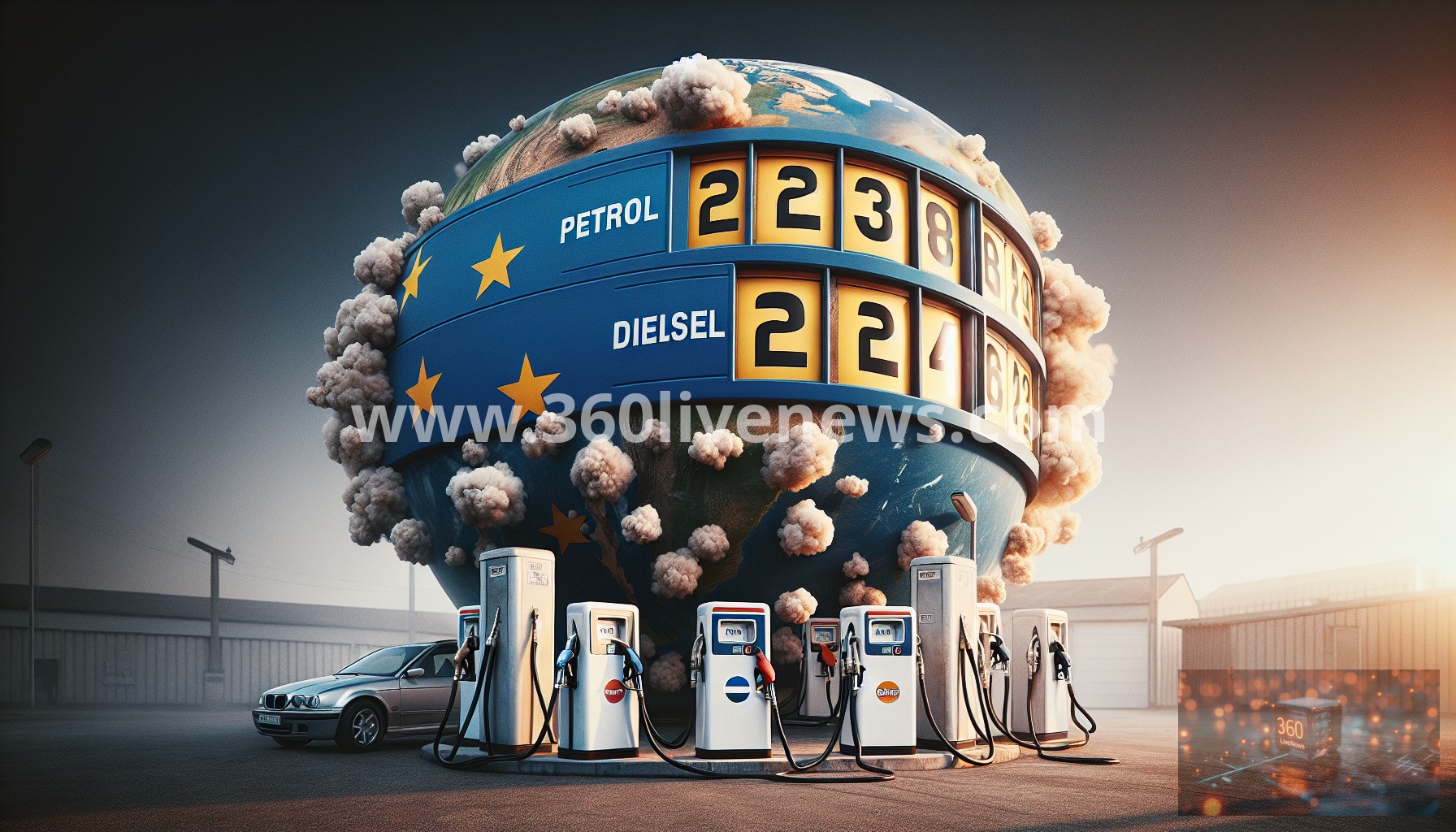
Petrol and diesel prices across Europe are predicted to surpass €2 per litre, with concerns escalating among fuel garage operators about imminent price hikes. This situation follows the outbreak of conflict in the Middle East, which began last Saturday, and has been compounded by significant increases in global oil prices. The average price for unleaded petrol rose from €1.73 per litre last month to levels exceeding €1.80, while diesel has also approached €1.90 at many pumps.
The ramifications of the ongoing conflict are already evident in the home heating oil market, where costs have surged dramatically. For instance, data from the price comparison website Oilprices.ie indicates that the average cost for 500 litres of kerosene jumped significantly from €495.09 just last week to €833.56 today. These increases are indicative of broader inflationary pressures tied to energy reliance, as the Middle East is a crucial source of global energy supply.
The spike in oil prices can also be linked to warnings from Qatar’s Energy Minister Saad al-Kaabi, who indicated that all oil and gas exporters in the Gulf might curtail production in the coming days. During an interview with the Financial Times, al-Kaabi articulated concerns that the ongoing conflict could "bring down the economies of the world," highlighting the strategic importance of the region for global energy markets.
As a direct result of the current geopolitical tensions, Brent crude oil prices have surged to $89.17 per barrel, representing a 4.4% increase since the previous trading day. Experts have cautioned that if shipping through the vital Strait of Hormuz is disrupted, oil prices could reach $150 a barrel within two to three weeks; this strait is responsible for around a fifth of the world’s daily oil supply.
This soaring price trend is not just a transient phenomenon; it reflects deeper structural issues within global energy markets. For context, the conflict has highlighted the vulnerabilities of European nations' dependency on Middle Eastern supply chains, a dependency that has become more pronounced following the sanctions against Russian oil in recent periods. The interplay of regional tensions, market speculation, and logistical challenges can create volatile pricing conditions that have far-reaching economic consequences.
Given these developments, policymakers in Europe are likely to face pressure to implement measures to cushion consumers from rising fuel costs. Bills associated with increased fuel prices can have cascading effects on overall inflation, particularly affecting transportation costs that ultimately flow through to consumer goods prices. Economic practitioners stress that governmental intervention may be required to stabilize prices in the short term while alternatives are explored for long-term energy security.
Moreover, the correlation between fuel prices and public unrest cannot be overlooked. Historically, spikes in energy costs have catalyzed public discontent and protests, particularly in regions more vulnerable to economic disruptions. Consequently, governments may also need to consider social stability alongside economic policies, particularly in the context of energy prices.
As the situation unfolds, ongoing monitoring of fuel prices and energy production in the Gulf will be critical. The intertwining factors of political stability in the Middle East and energy market dynamics will shape both regional and global economic landscapes. The need for diversified energy strategies is becoming increasingly urgent as stakeholders on various levels assess the implications of these developments.
#Energy #OilPrices #MiddleEast #GlobalEconomy #FuelPrices #Qatar #BrentCrude #StraitofHormuz
