Israeli airstrikes in Nabi Chit, Lebanon, result in at least 26 fatalities amid escalating conflict with Hezbollah
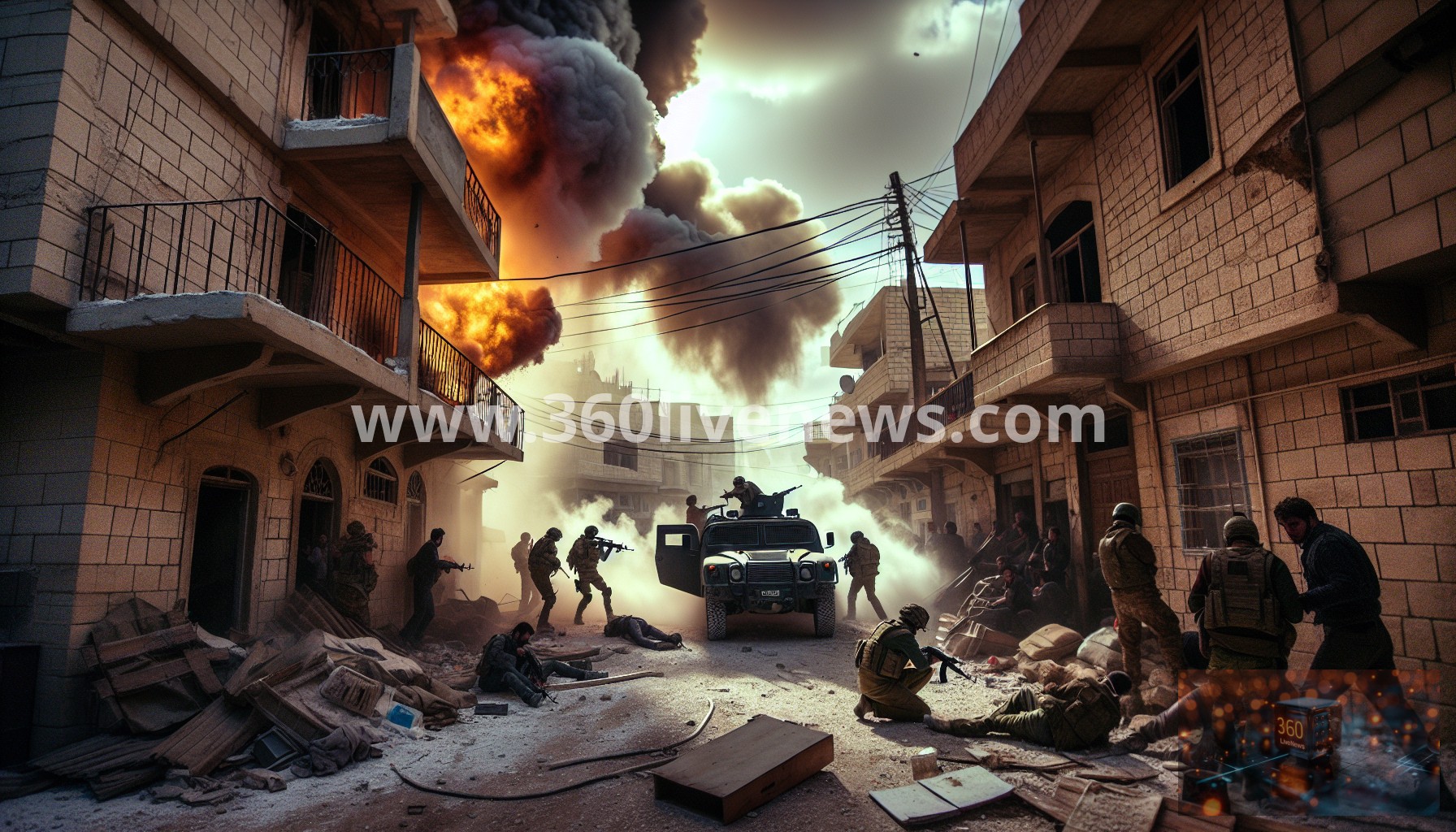
The ongoing conflict between Israel and Hezbollah has escalated dramatically, with reports indicating that Israeli airstrikes on the eastern Lebanese town of Nabi Chit have resulted in at least 26 fatalities. This small mountain community, located in the Bekaa Valley and known for its strong ties to Hezbollah, has become a focal point in the regional hostilities. The airstrikes are said to have occurred overnight, intensifying fears of a broader humanitarian crisis as fighting between the Iran-backed militant group and Israeli forces continues.
As the situation deteriorates, the Israel Defense Forces (IDF) have implemented a series of evacuation warnings across southern Lebanon. In the past week alone, these warnings have prompted tens of thousands of civilians to flee their homes to escape the violence. Current estimates from the IDF suggest that over 300,000 Lebanese civilians have evacuated from southern Lebanese villages so far, though officials caution that the real number of displaced individuals could be significantly higher, as reported by Georges Kettaneh, Secretary General of the Lebanese Red Cross.
The attacks on Nabi Chit represent a significant escalation in Israel's military campaign in Lebanon, which has seen sustained airstrikes in response to ongoing rocket fire directed at Israel from Hezbollah positions. Recent events have seen air raid sirens sounding throughout Jerusalem, with multiple explosions reported and over six alerts in the last 24 hours. This marks a critical moment, as the current wave of hostilities serves to redraw the already tense geopolitical landscape in the region.
Israel's military actions are grounded in a complex history of conflict with Hezbollah, a group founded with strong support from Iran. Since its formation, Hezbollah has positioned itself as a significant military power in Lebanon, often clashing with Israeli forces. The current escalation ties back to earlier phases of conflict where periodic skirmishes have set the stage for more extensive military operations, demonstrating the fragile nature of peace in the region.
This latest conflict comes on the heels of historic tensions over contested borders and continued disputes regarding the status of refugees displaced since earlier conflicts. The recurring violence highlights the severe humanitarian implications as civilians become trapped in the crossfire. The Lebanese government, alongside various international organizations, faces immense challenges in addressing the immediate needs of those affected by this escalation.
Given the high stakes involved, the conflict has sparked urgent discussions within international bodies such as the United Nations regarding potential peace-building measures. The UN and its agencies are routinely called upon to mediate and provide relief, but the effectiveness of these efforts is often hindered by the ongoing hostilities and lack of consensus among key players in the region.
As the situation evolves, the implications for security and diplomacy in the region are profound. The comparison between the military capabilities of Israel and Hezbollah remains a topic of interest for analysts observing the conflict's trajectory. Israel's strategic defense initiatives include robust intelligence gathering and advanced missile defense systems, while Hezbollah relies on unconventional tactics and strong grassroots support within Lebanon.
Future developments may hinge on various factors, including external diplomatic pressures from nations involved in the Middle East peace process, such as the United States and Iran. The ongoing humanitarian crises may compel these actors to engage more directly in searching for a cease-fire, although the historical complexities of the Israeli-Hezbollah relationship suggest that lasting peace remains a distant goal.
This current wave of violence and its humanitarian impact evoke urgent responses from multiple stakeholders. The heightened levels of refugee displacement and casualties necessitate an immediate and coordinated response not only from local governmental agencies but also from international humanitarian organizations. The situation continues to draw global attention, with calls from various leaders for cessation of hostilities and a return to negotiations.
#Israel #Hezbollah #Lebanon #humanitarian #evacuations #defense #redcross #geopolitics
