Israeli ground forces conduct operation in southern Lebanon amid rising tensions with Hezbollah following missile attacks
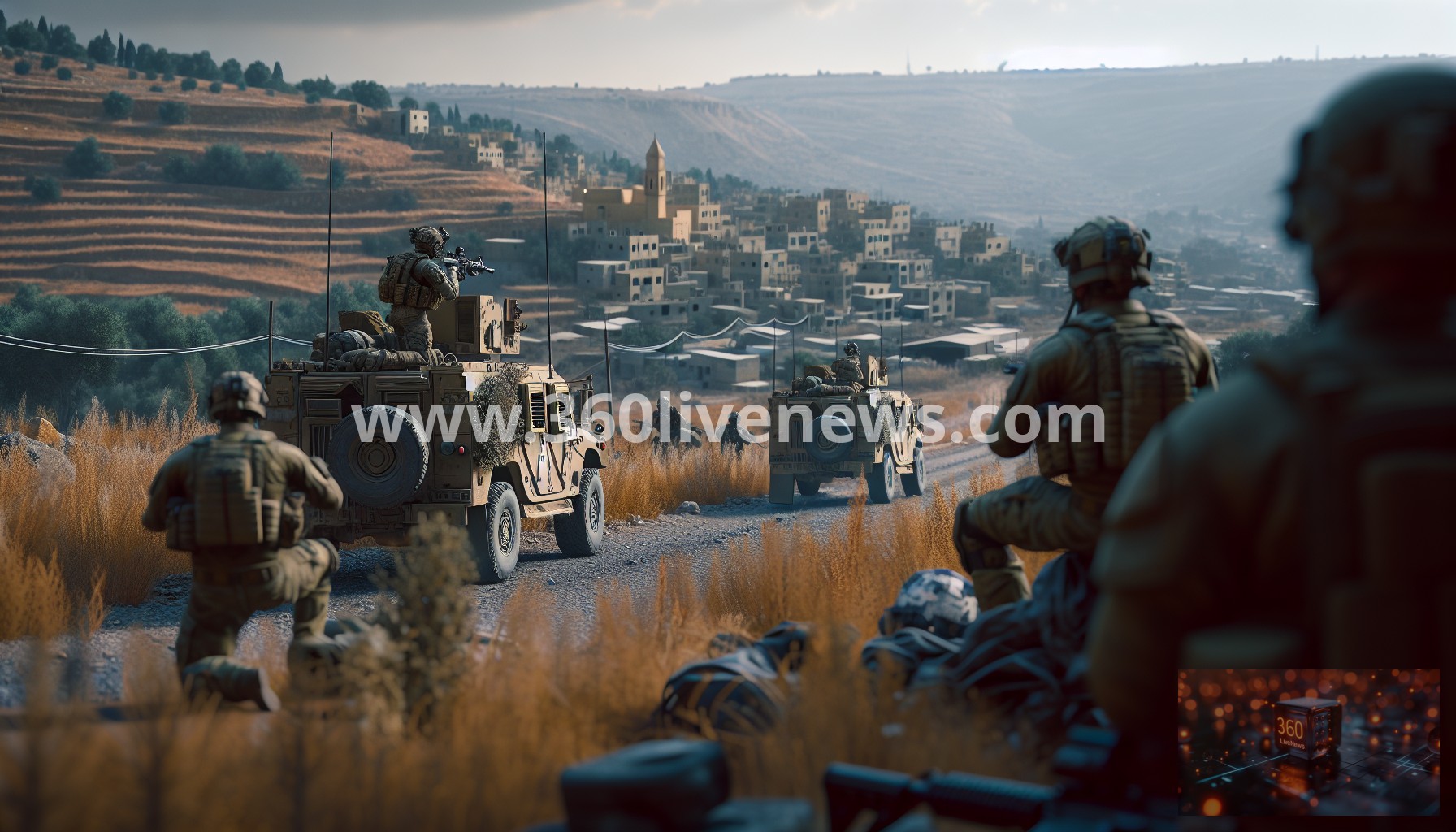
Israeli ground forces have launched a significant operation deep into southern Lebanon amid escalating tensions with the militant group Hezbollah. The confrontation comes in response to Hezbollah's recent missile attacks on Israel, which were launched after the reported death of Iranian Supreme Leader Ali Khamenei. This retaliatory action by Israel follows a pattern of escalating violence that has left many civilians in the region displaced and exposed to the ongoing conflict.
In the most recent developments, areas close to the Israeli-Lebanese border have witnessed heavy clashes as Israeli troops engage in combat operations targeting Hezbollah fighters. Reports indicate that Israeli forces began coordinated land operations shortly after a helicopter raid aimed at Hezbollah locations in southern Lebanon. The specific timing of this military escalation appears to coincide closely with the regional instability triggered by Khamenei's death, highlighting the interconnected nature of geopolitical tensions in the Middle East.
As the conflict enters another day, locals in various Lebanese towns have begun evacuating in response to the bombardment from Israeli forces. Witness accounts report that many families have fled their homes, fearing for their safety as hostilities intensify. The United Nations has expressed concern over the potential humanitarian crisis that could arise from the displacement of people and ongoing hostilities in the area.
Hezbollah's entry into the fray represents a critical moment for the group, which has been perceived as weakened following Israel's previous military operations. Despite their current combat capabilities, analyses suggest that internal pressures, such as recent government actions in Lebanon declaring Hezbollah's military activities illegal, could further complicate their operational effectiveness. The Lebanese government, led by Prime Minister Najib Mikati, has sought to distance itself from Hezbollah amid rising domestic tensions regarding the group’s military engagement.
Over the past few weeks, as hostilities increased, various international observers have noted a shift in Lebanon's political landscape. The government's resolution to label Hezbollah's military activities as illegal reflects a significant policy shift toward disarming the group entirely. Analysts, including Maha Yaya from the Carnegie Middle East Center, suggest this move may indicate a rare opportunity for the Lebanese state to regain authority over armed factions within its borders.
The international community is closely monitoring these developments, especially given the volatile nature of alliances within the region. Iran has historically backed Hezbollah, and Khamenei's death could lead to shifts in Iranian military and financial support, potentially affecting Hezbollah's capacity to wage war on multiple fronts. Any changes to Iran's support will have lasting implications not only for Lebanon's stability but also for Israel's national security strategy.
The Israeli Defense Forces (IDF) have stated that their ongoing operations aim to neutralize threats posed by Hezbollah, citing recent rocket fire as justification for their incursion. This escalation highlights Israel's broader security concerns and its persistent stance against any group it perceives as an imminent threat. The IDF's announcement also points to a strategic objective to deter future attacks from the northern front, a region that has been historically volatile and a flashpoint for conflict between Israel and Lebanon.
As the situation continues to evolve, questions remain regarding the potential for a diplomatic resolution. Previous negotiations aimed at peace have faltered, and with Hezbollah's military engagements being declared illegal domestically, the prospects for de-escalation seem dim. Stakeholders in the international arena are thus faced with the challenge of navigating this complex conflict and its implications for regional stability.
As clashes enter the third day, the international community is urged to engage more actively in dialogue and mediation efforts, potentially preventing further humanitarian crises. Local leaders and international organizations call for the protection of civilians and emphasize the need for immediate humanitarian assistance to those caught in the crossfire as the conflict rages on.
#Israel #Lebanon #Hezbollah #Iran #IDF #Khamenei #military #humanitarian
