Tornadoes cause at least eight fatalities in Oklahoma and Michigan as rescue operations continue across the central United States
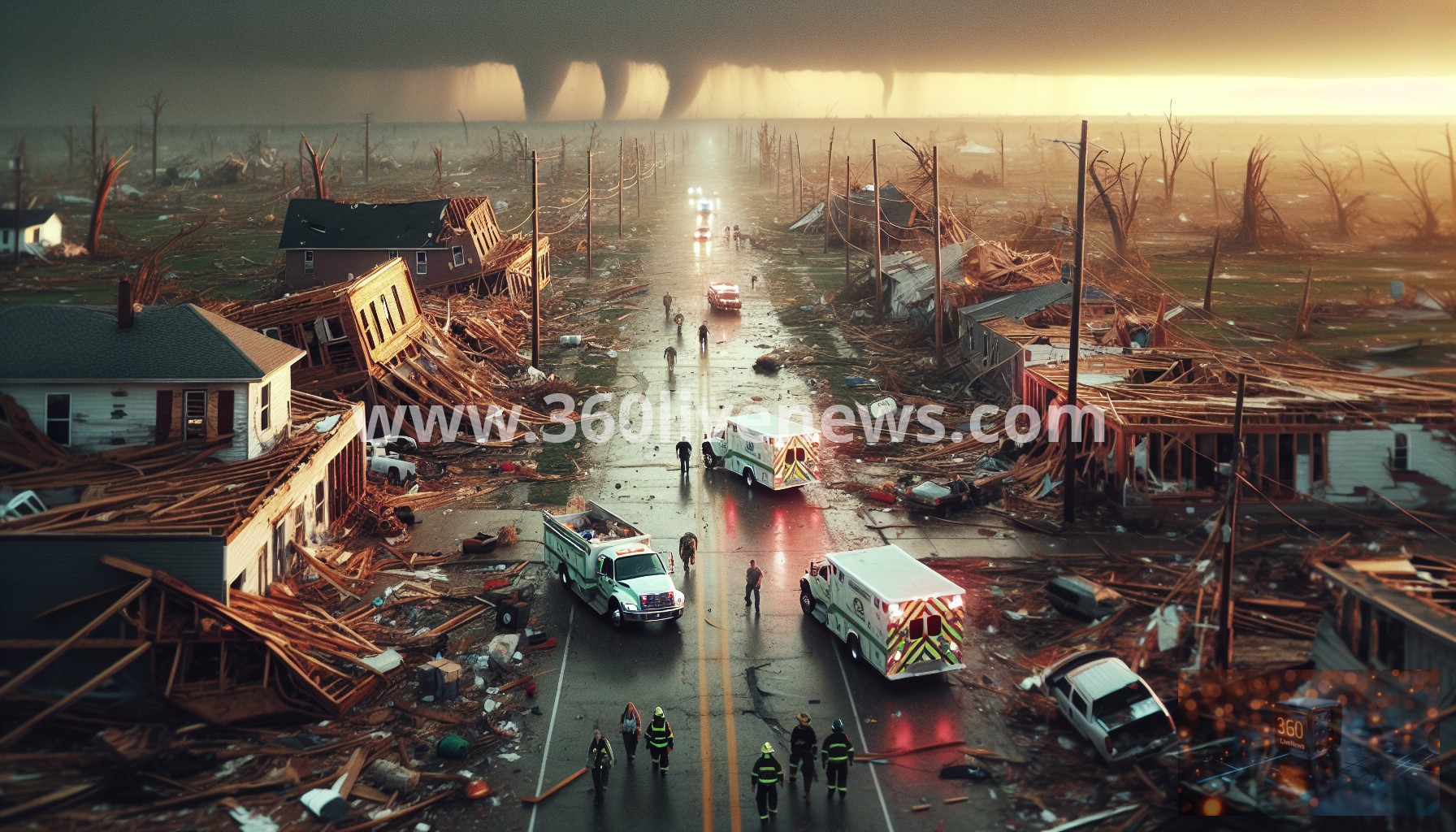
In a devastating turn of events, tornadoes have wreaked havoc across the central United States, particularly affecting the states of Oklahoma and Michigan. As the storms continued to unfold, authorities reported a death toll of at least eight, with four fatalities confirmed in each state. Rescue operations are still ongoing, and the final numbers may increase as search teams assess damage and locate missing individuals.
The National Weather Service has indicated that the tornadoes, which began their destructive path on Friday, left a significant trail of destruction including downed power lines and demolished properties. Footage broadcasted by local media showcased completely destroyed vehicles and buildings littering the landscape, emphasizing the severity of the storms. This extreme weather has not only claimed lives but also significantly disrupted daily activities in the affected areas.
The official statement from the National Weather Service outlined the ongoing threats, stating that thunderstorms and flash flooding are anticipated from the Great Lakes region all the way to Texas. Experts are cautioning that while the immediate risk of tornadoes may decrease, additional severe weather could still emerge in the coming hours. These warnings underscore the volatile climate conditions currently affecting the region.
This event in the United States is part of a broader pattern of extreme weather phenomena affecting various parts of the world. In recent months, multiple states have reported unusual weather patterns, leading to speculation about climate variability influencing the frequency and intensity of severe storms. Such developments have raised concerns among meteorologists and disaster management agencies about preparedness and response capabilities throughout the region.
In previous incidents, Oklahoma has experienced its fair share of tornadoes, with a history of deadly storms impacting towns and cities. The state is located in Tornado Alley, a term used to describe a region in the central United States where tornadoes are frequent due to unique climatic conditions. The governmental response often involves coordination with local emergency services and the National Guard, as local authorities work to provide immediate assistance and restore order in the wake of such disasters.
The response to the current emergency is revealing insights into institutional preparedness. Officials are mobilizing resources, with reports indicating that teams from local police and fire departments are actively involved in rescue and recovery operations. Additionally, the military may be deployed if the situation escalates further, as was the case in past tornado responses. Surveys conducted by these agencies play a crucial role in assessing the damage and determining the immediate needs of affected communities.
Experts emphasize the importance of federal aid in supporting state and local efforts to tackle the aftermath of such severe weather events. The Federal Emergency Management Agency (FEMA) is another key player in the disaster response framework, coordinating resources and ensuring that affected populations receive necessary support. Their role often becomes pivotal, especially as casualties and property damage estimates continue to climb.
The broader implications of this weather event touch on socio-economic factors, especially in areas heavily reliant on agriculture and local industries. The impacts of tornadoes can extend well beyond immediate fatalities, affecting livelihoods and economic productivity in vulnerable communities. As local and federal agencies begin assessing the damage, considerations for restoration and future resilience will be critical in planning efforts.
As this situation develops, it raises important questions about long-term strategies for disaster response and climate adaptation. Policymakers must address not only the immediate needs of those affected but also the underlying issues related to infrastructure, housing, and community planning to mitigate future risks associated with extreme weather. This incident, while localized, echoes larger themes of climate resilience that are becoming increasingly critical on a global scale.
#Tornado #Michigan #Oklahoma #NWS #FEMA #SevereWeather #DisasterResponse #ClimateChange
