Israeli military conducts operation in eastern Lebanon to search for remains of missing pilot Ron Arad, resulting in conflict with Hezbollah
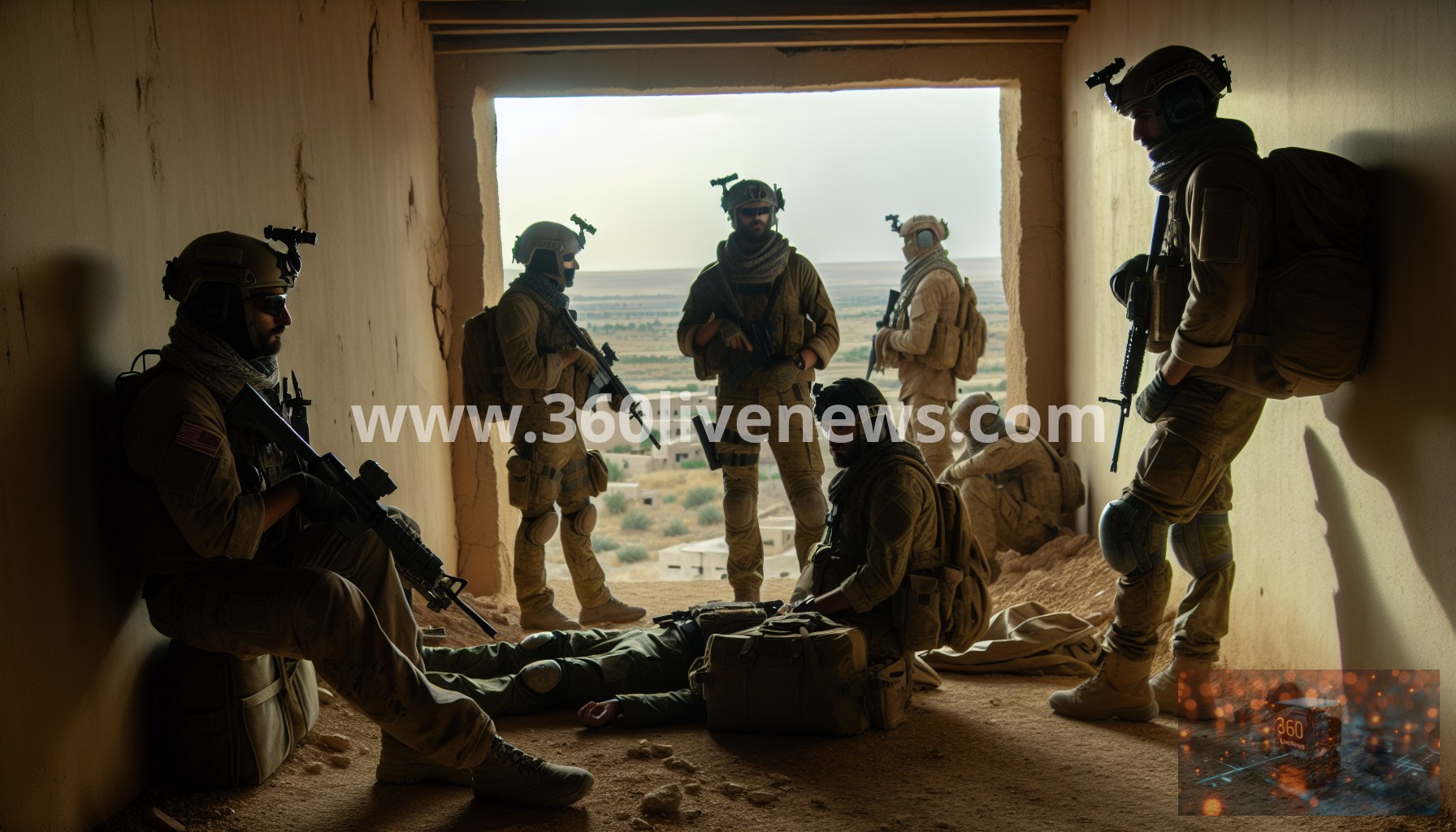
Israeli military forces have conducted an operation in eastern Lebanon targeting the search for the remains of pilot Ron Arad, who went missing almost 40 years ago. The raid, which involved airborne operations, has reportedly resulted in significant conflict as Israeli commandos engaged local fighters and members of Hezbollah, leading to substantial casualties on both sides.
The operation has come to light following reports that Israeli forces, equipped with advanced military equipment, descended into mountainous regions along the Lebanese-Syrian border. They proceeded to the eastern town of Nabi Chit, where they allegedly began digging graves in search for what is believed to be the remains of Ron Arad, a navigator who became missing after parachuting from his fighter jet in 1986. This search operation has escalated tensions in a region that remains volatile following years of conflict.
Lebanese authorities have confirmed that the operation has resulted in at least 41 confirmed fatalities and approximately 40 additional wounded. This tragic toll reflects the ongoing impacts of military interventions in the region. Lebanon's health ministry is overseeing efforts to manage injuries resulting from the clashes, which are seen as a manifestation of the longstanding animosities between Israel and Hezbollah.
General Rudolphe Haikal, commander of the Lebanese army, raised alarm over the tactics employed by the Israeli forces, alleging that they disguised themselves in Lebanese army uniforms. Additionally, he noted the use of ambulances marked with symbols of Hezbollah’s Islamic Health Organization, which has raised concerns regarding the manipulation of medical services within conflict zones.
This incident is not isolated; the search for Ron Arad has been a contentious issue in Israeli society for decades. Arad's wife, Tami, has publicly urged Israeli leaders to refrain from endangering soldiers in pursuit of her husband, highlighting the personal and national implications of ongoing military engagements in the region.
The backdrop of the operation emphasizes the historical embroilment of Israel in Lebanon, particularly since the Lebanese Civil War and the ongoing hostilities with Hezbollah, which is recognized as a major military and political force in Lebanon. The dynamics of this conflict are complex, often influenced by broader geopolitical factors, including international alliances and regional stability.
The use of advanced military tactics in the operation has drawn scrutiny from various observers. Military analysts suggest this could represent a shift in the Israeli military approach to searching for missing personnel, moving towards direct action in hostile territories, which raises ethical questions about engagement methods in civilian contexts.
This latest incident highlights a profound nexus of military actions, public sentiment, and political rhetoric surrounding the issue of missing soldiers in Israel. The complications surrounding such operations raise concerns over the safety of both Israeli forces and local civilians. The implications for future military operations and diplomatic relationships in the region are grave, as actions in conflict zones frequently escalate beyond intended boundaries.
As the situation in Lebanon developing, it is crucial to monitor responses from both governmental and non-governmental organizations. The international community’s involvement, particularly regarding humanitarian response in areas impacted by military actions, could influence the dynamics of this ongoing conflict.
#Israel #Lebanon #Hezbollah #military #RonArad #tension #middleeast #conflict
