Thousands Protest in London Against Airstrikes in Iran and US-Israel Military Actions
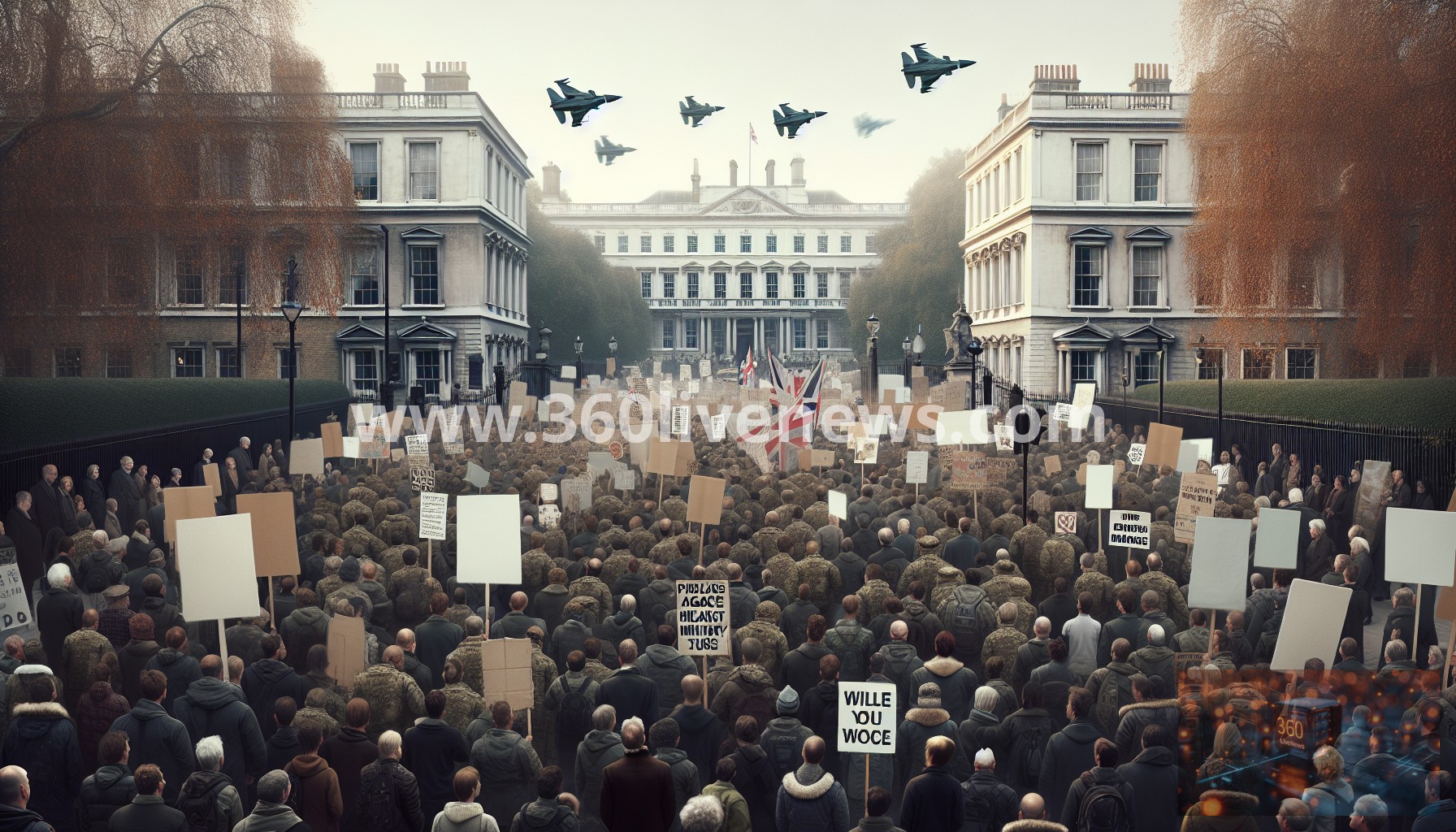
Thousands of demonstrators gathered in London this afternoon to protest against ongoing airstrikes in Iran, calling for an end to military actions by the United States and Israel. The protest took place outside the US embassy in Nine Elms, where a significant turnout of around 5,000 participants expressed their dissent, highlighting the rising tensions in the region and their opposition to what they perceive as unjustified warfare.
The protesters began their march from Millbank Tower, a prominent site near Westminster, carrying signs with messages such as “Stop Trump’s Wars,” “Stop the War on Iran,” “Stop Arming Israel,” and “No War on Iran.” Many participants displayed flags representing both Iran and Palestine, alongside portraits of the former Iranian supreme leader, Ayatollah Ali Khamenei, who was recently killed during military escalations. This poignant representation underscores the sentiment among the demonstrators regarding the impact of foreign intervention in their homeland.
Key figures in the protest included Zarah Sultana, a Member of Parliament (MP) from Your Party, who addressed the crowd. Sultana emphasized that they would “not be ignored again,” referencing the historical context of previous military interventions in the Middle East, notably the Iraq War, which she said was justified under the false premise related to weapons of mass destruction. Her remarks resonate strongly with protesters who are wary of repeating past governmental misjudgments likely justified by flawed narratives.
The protest was organized with the support of various groups, including the Campaign for Nuclear Disarmament (CND), Stop The War Coalition, and the Palestine Solidarity Campaign. These organizations have a long-standing history of opposing military action and advocating for peace, particularly in relation to conflicts involving Middle Eastern nations.
While the protest occurred in London, it signifies a broader international reaction against escalating military operations in the region. In recent developments, airstrikes attributed to US forces have raised alarm, with officials citing the need for such actions in response to perceived threats emanating from Iran. However, many critics argue that these operations exacerbate existing tensions and contribute to cycles of violence, leading to calls for de-escalation and diplomatic engagement.
In the backdrop of these protests, geopolitical implications continue to unravel with significant focus on Iranian foreign policy and its relationships with both the United States and Israel. Analysts highlight that Iran's response to such military initiatives not only impacts regional stability but can also reverberate globally, particularly concerning energy supplies and international security strategies. The ongoing tensions are indicative of the intricate dynamics at play in Middle Eastern politics, where historical grievances often resurface amid contemporary conflicts.
As this protest underscores growing public dissent, there remains critical discourse regarding the effectiveness of military policy versus a diplomatic approach. Experts frequently cite the necessity of renewed dialogue, emphasizing that military actions alone do not address the underlying issues at stake, particularly in the discourse surrounding nuclear capabilities and regional dominance. The push for nuclear disarmament is a recurrent theme among various activist groups that participated in today’s protest, reflecting their desire for a peaceful resolution rather than military confrontation.
The response from governmental bodies both in the UK and across the Atlantic remains pivotal in shaping the fallout from these protests. As discussions around military engagement intensify, observers will be keenly looking for official statements addressing the demonstrators' concerns and the wider implications of continued military action against Iran. This ongoing situation invites scrutiny, as it not only affects diplomatic relations but also raises profound questions about human rights and the sovereignty of nations amid international conflicts.
As the protests conclude, the situation continues to evolve, emphasizing the importance of public discourse in shaping policy decisions. Activists and political leaders alike call for an urgent reassessment of military strategies and a move towards peaceful negotiation, reflecting a shared desire for security and justice that resonates beyond the borders of any single nation. The upcoming days will reveal if the voices at the US embassy in London will lead to meaningful change in how military interventions are conducted and perceived globally.
#Iran #Protest #London #USEmbassy #ZarahSultana #MiddleEast #CND #StopTheWar #Palestine #AliKhamenei #Military #Diplomacy #NineElms
