Australia clarifies military stance, will not engage offensively against Iran amid Middle East tensions
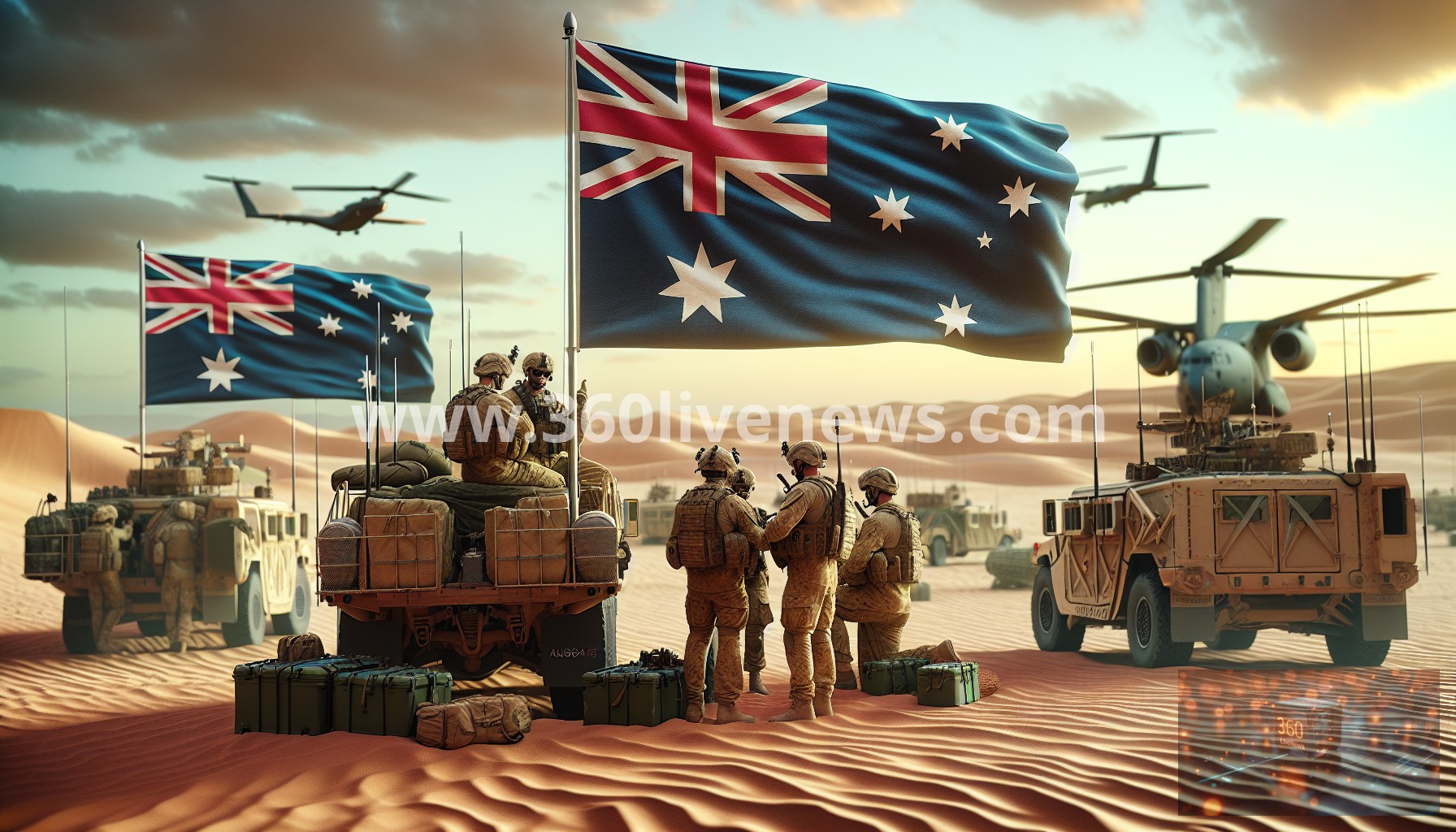
Australia's Minister for Foreign Affairs, Penny Wong, has clarified the nation’s military stance amidst escalating tensions in the Middle East, particularly concerning Iran’s recent military actions. During public statements, Wong emphasized that Australia will not engage in "offensive action against Iran" nor deploy ground troops into the country, instead outlining a potential defensive role.
Wong explained that Australia has been approached for assistance in protecting nations affected by Iran's hostility, particularly from drone and missile attacks. "Many countries which are non-participants have been attacked by Iran through this. You would anticipate, as a consequence, that we have been asked for assistance and we will work through that, carefully,” she stated.
The current developments come as tensions between Iran and various nations, including Australia’s allies, continue to rise. In this context, Wong reiterated Australia's commitment to a purely defensive military support role rather than an offensive one, indicating a nuanced approach to engagements in international conflicts.
The international backdrop is vital to understanding Australia’s decision. Australia is part of a broader coalition of nations responding to escalating Iranian aggression, particularly its use of drone warfare and missile capabilities against regional adversaries. This coalition appears increasingly strained by Iran's actions, which have prompted discussions on military readiness and diplomatic approaches.
Significantly, Australia has a historical precedent of military engagement in the Middle East, participating in conflicts primarily centered around counter-terrorism and regional stability efforts. These historical engagements, alongside recent skirmishes involving Iran-backed militias, underline the complexities of Australia’s military policy in the region.
Wong's statements reflect a careful diplomatic balance. While offering support to vulnerable nations potentially facing threats from Iran, Australia’s clear refusal to engage in offensive operations signals both a commitment to international partnerships and a desire to avoid escalation. This stance places Australia in a position of influence, allowing it to engage in coalition-building efforts without being drawn into direct conflict.
The implications of this decision are manifold. Strategically, Australia aims to enhance its role within international military coalitions while preserving national interests and regional stability. Wong's comments highlight the importance of cooperation among nations facing similar threats and underline ongoing geopolitical discussions regarding the Persian Gulf area.
As global tensions continue to evolve, Australia’s response may set a precedent for how nations manage relations with Iran and other actors in the region. The focus on defensive support suggests a long-term strategical perspective aimed at maintaining stability without compromising Australian military values.
In conclusion, Australia's military posture amidst the current phase of tensions in the Middle East indicates a significant, if cautious, approach to international relations. The government appears to be prioritizing support for allies while adhering to its principles of non-aggression, highlighting the complexities inherent in modern diplomacy.
#Australia #Iran #Military #ForeignAffairs #PennyWong #MiddleEast #Diplomacy #Coalition
