Trump Asserts US Military Efforts Against Iran Are Successful, Downplays Need for UK Support
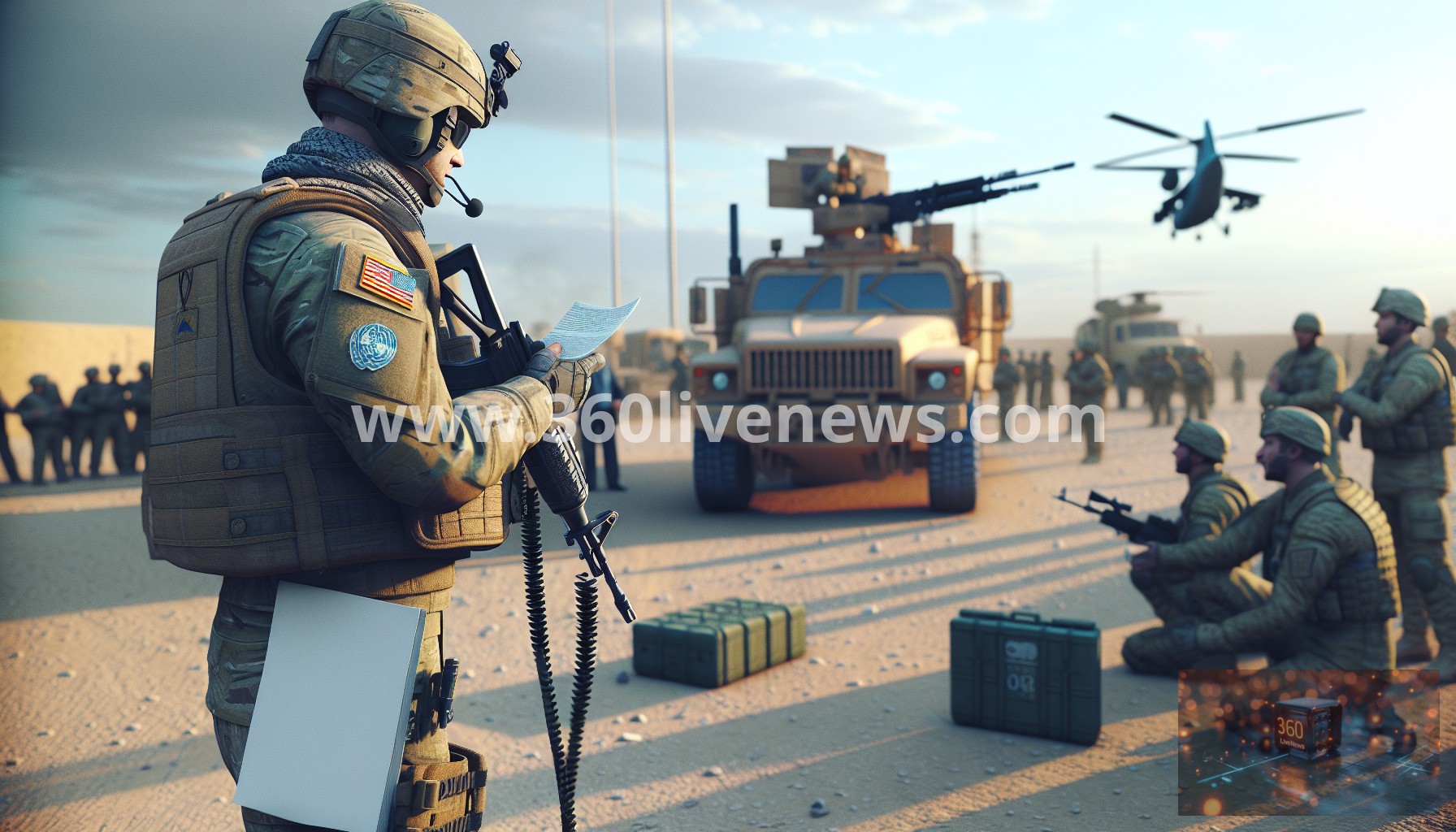
United States President Donald Trump has expressed confidence in the ongoing military efforts against Iran, stating that the conflict is "already won" and signaling that US forces do not require the assistance of the United Kingdom. His statement comes in response to reports about the UK's Ministry of Defence placing the HMS Prince of Wales on "high readiness" for potential deployment to the Middle East. In a post on his social media platform, Truth Social, Trump indicated that he does not see a need for the Royal Navy's support, alluding to the UK as a former ally that has joined the conflict after the situation has already shifted in favor of the US-led coalition.
The US military's engagement in the war against Iran has intensified, with significant strikes already being conducted. Trump conveyed this dismissive sentiment towards the UK’s potential contribution, stating, "That’s OK, Prime Minister Starmer, we don’t need them any longer, But we will remember. We don’t need people that join Wars after we’ve already won!" His comments reflect a growing sense of nationalistic pride as the US continues leveraging its military capabilities against Iranian targets.
Meanwhile, Kurdish forces, which have historically been allied with the US, were reported to be willing to engage in the conflict. However, Trump has publicly advised them against entering the fray, emphasizing that the involvement of Kurdish fighters could complicate the already complex nature of the war. He stated that he is looking to keep military operations straightforward, asserting, "I have ruled that out, I don’t want the Kurds going in." The dynamics surrounding Kurdish participation are indicative of broader geopolitical strategies unfolding as the conflict progresses.
As the war enters its second week, the regional implications of the conflict are becoming a primary concern. Reports detail that Iranian missile strikes have not only targeted countries in the region but also ventured beyond established borders. Experts have noted that this escalation could lead to new fronts opening up, increasing instability in an already volatile area. Iran’s President Masoud Pezeshkian has issued an apology to Gulf states, stating that Iran intends to limit its attacks on these nations. However, this pledge raises questions about the sincerity of Iran's commitments as hostilities continue.
The potential for conflict spillover remains a critical focus among analysts and governmental officials. The escalating tensions heighten fears of direct confrontations involving various actors in the region, including Israel, which has been conducting military operations targeting Iranian positions. As these hostilities continue, international observers fear that a wider conflict could emerge, drawing in more countries and complicating existing diplomatic relations.
The historical context of US-Iran relations plays a pivotal role in understanding the contemporary situation. Over the decades, mutual hostility has evolved through various phases, including economic sanctions, military actions, and political maneuverings. The relationship has only further deteriorated as both nations seek to assert dominance in the region. The Israeli engagement with Kurdish forces reflects an alignment based on mutual strategic interests against a common adversary, underlining the complexities presented by the current conflict.
For the United States, maintaining a steadfast military position is crucial, particularly under the scrutiny of its allies, including the UK. Trump's recent remarks highlight a shift towards a more assertive unilateral approach, potentially alienating allied forces who may wish to participate actively. This attitude could reshape alliances and affect future collaborations, especially given the UK's historical military partnership with the US.
The resolution of the ongoing conflict will require careful navigation through the nuances of international relations, military strategies, and regional stability. Policymakers will need to balance national interests with global humanitarian considerations, influenced by public opinion and geopolitical dynamics. The increasing lethality of these engagements necessitates a reevaluation of strategies to mitigate the humanitarian impact and prevent further escalation, posing a significant challenge for current and future administrations.
