Israeli military intensifies airstrikes on Iranian energy infrastructure, causing environmental concerns in Tehran
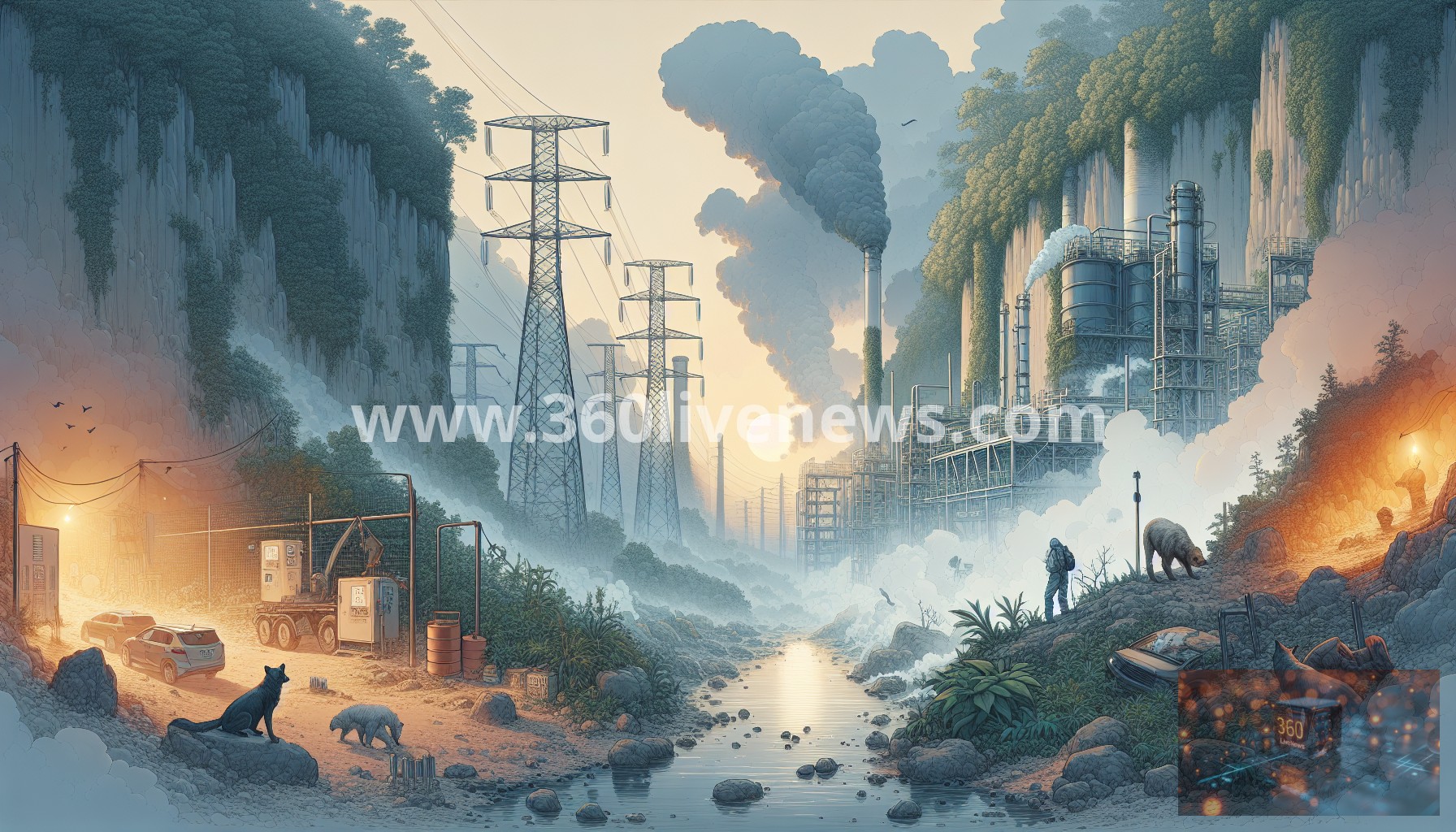
The Israeli military has intensified its airstrikes on Iranian energy infrastructure, leading to significant environmental consequences in Tehran. Residents reported waking up to an unusual darkness on Sunday morning, attributed to immense plumes of black smoke rising from burning oil depots hit by the strikes. The situation has prompted Iranian officials to advise citizens to remain indoors to avoid exposure to the environmental fallout.
Tehran was engulfed in darkness as the thick smoke from the burning fuel facilities obscured sunlight, creating an unsettling atmosphere across the city. By 10:30 AM local time (0700 GMT), residents were still relying on car headlights to navigate through the gloom on major thoroughfares such as Valiasr Street, a primary north-south artery in Tehran. One local driver remarked, “I thought my alarm clock was broken,” exemplifying the disorientation caused by the unusual environmental conditions.
According to reports, the strikes on Iranian oil depots have resulted in smoke mingling with existing heavy rain clouds, further complicating the atmosphere over Tehran. This development escalates tensions in the region, raising concerns about not only military confrontations but also public health implications as the Iranian government warns citizens of the potential dangers posed by the toxic air quality.
The escalation of military action is part of a broader conflict involving Israel and other regional actors. The recent strikes come amidst ongoing fighting between Israel and Hezbollah, with Lebanon's Health Minister reporting nearly 400 casualties, including 83 children, in just one week. This multi-front conflict underscores the complex and volatile nature of regional geopolitics.
The Iranian government has been vocal in its condemnation of Israel's actions, labeling the strikes as aggressive and a significant violation of sovereignty. The fallout from the strikes has raised concerns not only about immediate civilian health but also about long-term environmental damage, given the scale of the fires and the potential dispersion of pollutants into the air.
This situation is particularly alarming as Tehran struggles with pre-existing air quality issues. Air pollution in the city is already a critical public health issue, with residents frequently exposed to hazardous conditions. The additional layer of smoke and toxic substances from the burning oil depots may exacerbate respiratory issues and other health risks.
From a historical context, tensions between Iran and Israel have fluctuated over the years, heavily influenced by the Syrian civil war and Iran's support for various militant groups across the region. Israel has long viewed Iran as a primary threat, particularly due to its nuclear ambitions and support for groups like Hezbollah. The current incident exemplifies the ongoing proxy wars that define the geopolitical landscape of the Middle East.
The international community is watching closely as the situation develops. Analysts suggest that increased Israeli military action could lead to heightened retaliatory measures from Iran or its allies, further destabilizing an already precarious region. The strikes on Iranian infrastructure represent a direct challenge to Iranian capabilities and may prompt responses aimed at curtailing Israel's military advantage.
Iran's response to these attacks will be crucial in determining the future dynamics of the conflict. Experts believe Iran may explore diplomatic channels while simultaneously enhancing its military posture in the region. This dual approach reflects a commitment to both deterrence and diplomatic engagement, as Iran seeks to navigate the complexities of its isolation amid international sanctions and military threats.
As the situation unfolds, all eyes will be on Tehran and its strategic decisions in response to Israel’s military actions. The potential for escalation remains high, and the consequences are likely to extend beyond the immediate vicinity of the strikes, affecting geopolitical stability in the entire region.
#Iran #Israel #Tehran #Hezbollah #military #conflict #environment #publichealth
