Two Israeli Soldiers Killed in Escalation of Conflict with Hezbollah in Southern Lebanon
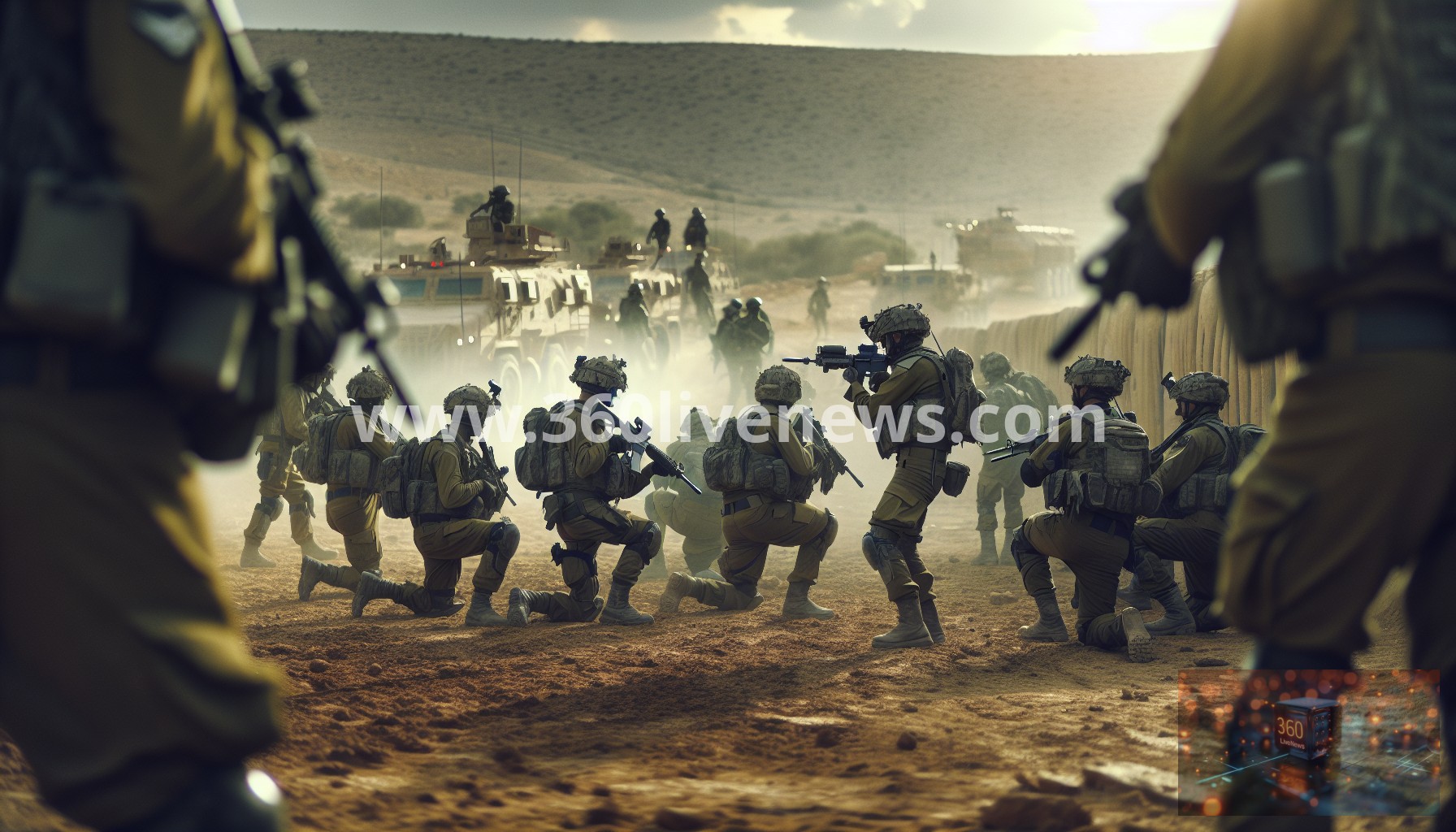
Recent developments in the ongoing military conflict between Israel and Hezbollah have seen a significant escalation, as two Israeli soldiers were killed during combat in southern Lebanon. These fatalities represent Israel's first military losses since hostilities resumed last week. According to military reports, Master Sergeant Maher Khatar, aged 38, from Majdal Shams, was identified among the deceased, alongside another soldier whose name has not been disclosed. The incident occurred as their unit was targeted by a rocket launched by militants while attempting to assist a stuck tank.
This latest incident forms part of a broader military campaign initiated by Israel in southern Lebanon that began over a week ago. Within this timeframe, airstrikes have been reported across various locations, including the southern village of Sir El Gharbiyeh, with strikes extending to the heart of Beirut, indicating a marked escalation in military operations. The Lebanese Ministry of Public Health has reported that the conflict has claimed approximately 400 lives, including 83 children, 42 women, and nine rescue workers, reflecting the devastating impact of the intensifying conflict on civilian populations.
The Israeli military actions have been characterized by a relentless bombardment aimed at degrading Hezbollah's military capabilities. Analysts suggest that these operations are part of a strategic objective to reshape the political landscape of Lebanon by creating a demographic shift that pressures Hezbollah and disrupts its support base within the country. This strategy aligns with Israel's historical approach during earlier conflicts, notably the 2006 Lebanon War, which also resulted in mass displacement and significant civilian casualties.
In recent weeks, tensions escalated dramatically following the assassination of Iran's Supreme Leader Ali Khamenei on February 28. This event catalyzed Hezbollah to launch retaliatory strikes against Israeli military positions for the first time in over a year. As Israel's operations continue, President Isaac Herzog has defended these actions, arguing that they serve to dismantle Hezbollah's influence and are a necessary response to ongoing threats, particularly from Iran.
Israel's military endeavors are further complicated by geopolitical interests in the region, notably involving Iran and the United States. The recent operations have led to discussions regarding legality and international norms, with some officials in the UK raising concerns about the implications of partnering with the US in its military actions aimed at supporting Israel’s objectives. While the UK has not directly engaged in offensive operations, it has facilitated US operations from its air bases, sparking debates about the moral positioning of such alliances in the context of ongoing humanitarian crises.
The toll of the conflict on civilians continues to rise alarmingly. Reports indicate that thousands have been forcibly displaced as Israel's military tactics lead to widespread destruction of infrastructure and homes. Analysts predict enduring repercussions for Lebanese society, including further destabilization and a humanitarian crisis that may extend well beyond the immediate conflict. The reality created by Israel's military strategy aims to sever the deeply rooted connection between Hezbollah and its constituency, a calculated move intended to alter the socio-political fabric of Lebanon.
Additionally, this evolving situation has drawn attention from analysts regarding the potential of a new regional order being precipitated by Israel's actions. The ongoing conflict, under the backdrop of heightened US-Iran tensions, indicates a possible reshaping of alliances and hostilities across the Middle East. Future assessments of this conflict's consequences will likely address the fragility of Lebanon's political environment and the shifting allegiances among regional actors.
In summary, Israel's operational focus on Lebanon, marked by the deaths of its soldiers and the intensifying military campaign against Hezbollah, underscores a critical moment in the ongoing conflict. The implications of these actions, both within Lebanon and in the broader region, highlight the intersection of military strategy, geopolitical development, and humanitarian considerations that will continue to evolve as the situation unfolds.
#Israel #Lebanon #Hezbollah #military #war #Iran #US #humanrights
