U.S. Military Actions Against Iran Escalate Tensions and Impact Global Energy Markets
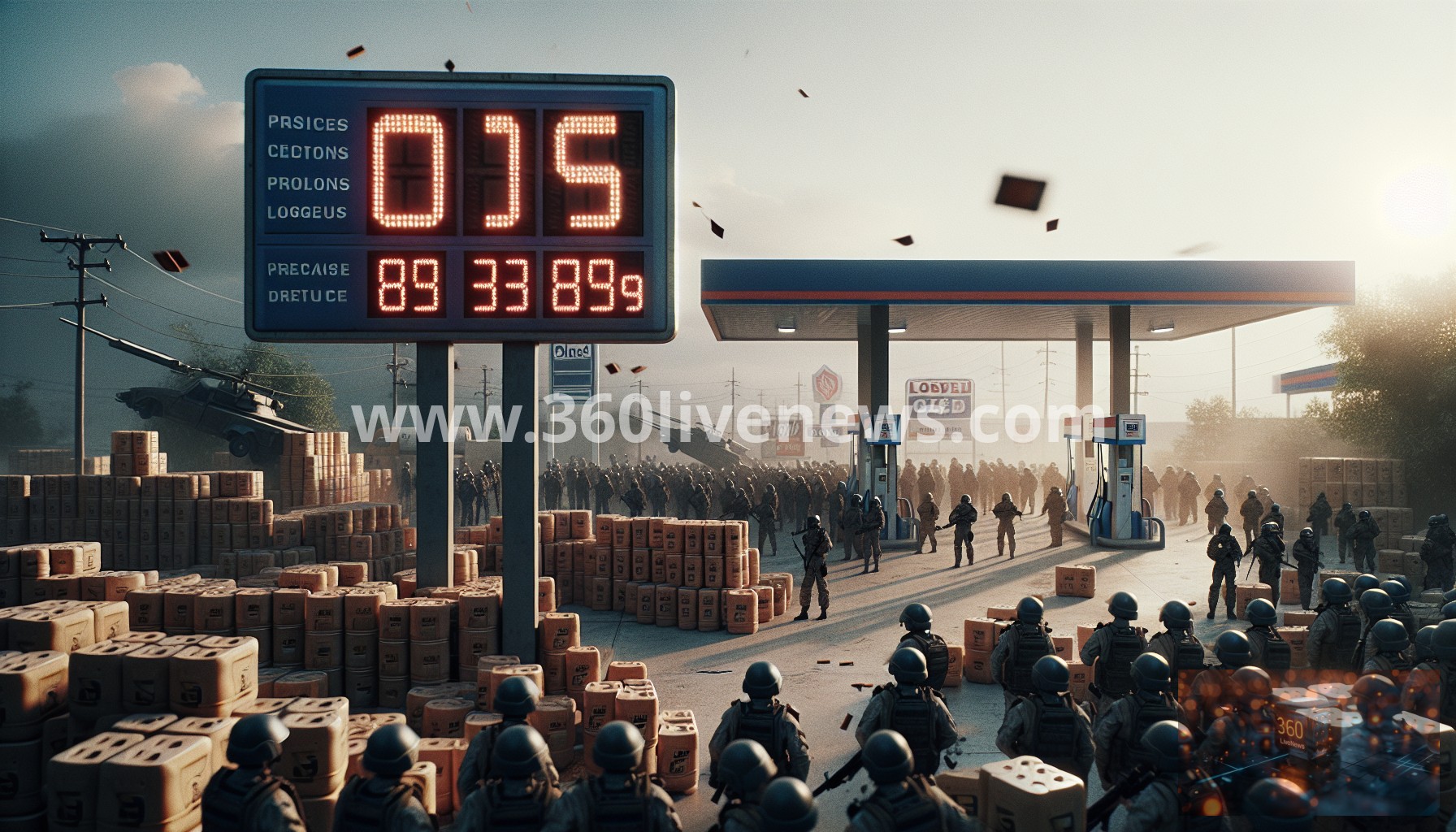
The ongoing conflict between the United States and Iran has escalated sharply, following a series of military operations and international repercussions that have profoundly impacted global energy markets. Recent reports confirm the U.S. has engaged in targeted military actions, including the use of Tomahawk missiles against Iranian naval bases, while the fallout continues to destabilize both regional and global economic landscapes. These developments have coincided with a significant spike in crude oil prices, which breached the $100 per barrel mark for the first time since the onset of major conflicts involving Ukraine and Russia.
Evidence emerging from recent military engagements suggests that U.S. airstrikes have struck positions adjacent to civilian areas, with new video evidence indicating a Tomahawk missile hit a naval base near an Iranian school, resulting in widespread condemnation. This attack reportedly killed 175 people, primarily children, thereby fuelling anger among Iranian citizens and intensifying calls for retaliation against the U.S. and its allies. The U.S. government, which had initially pointed the finger at Iran for the incident, has since faced backlash for its military strategy and the civilian casualties it incurred, raising concerns about human rights violations.
The surge in oil prices is significant, with Brent crude rising by as much as 20%, peaking over $111 per barrel in light of fears regarding disruptions to oil supplies from the Middle East. President Donald Trump addressed the issues surrounding fuel costs in a recent social media post, asserting that the temporary spike is a small price to pay for ensuring national and global safety from what he describes as threats stemming from Iran's nuclear ambitions. Trump's perspective aligns with broader strategic imperatives to maintain energy security during periods of heightened geopolitical tension.
U.S. Secretary of Defense Pete Hegseth has articulated a firm stance on the conflict, emphasizing that the current military operations under "Operation Epic Fury" are about demonstrating power and securing U.S. interests in the region. Hegseth's combative rhetoric has received both support and criticism, with proponents arguing that a decisive military approach is necessary to deter Iranian influence, while critics question the morality and long-term implications of such tactics on civilian populations, highlighting the debate over just war theory.
As military operations continue, public sentiment in Iran is sharply divided. Many citizens condemn the U.S. for its military actions and express outrage over the civilian casualties suffered as a result. This sentiment is compounded by a frequently state-controlled narrative that emphasizes resistance against foreign aggressors. Conversely, some segments of the population appear to support strong retaliatory measures, straining domestic political dialogues and highlighting the complexities of national unity during times of crisis, reminiscent of political division in wartime.
On the international stage, the ramifications of the U.S.-Iran war have the potential to stretch far beyond regional borders. Countries reliant on oil imports are already feeling the pinch as prices rise, prompting fears of inflation and economic instability. The escalating conflict could detrimentally affect global markets, push energy costs higher, and exacerbate the ongoing economic repercussions tied to the conflict in Ukraine. Countries navigating through their existing economic challenges may find their foreign policy frameworks increasingly affected by the volatility of oil prices and regional stability, as seen in globalization trends.
The institutional frameworks surrounding U.S.-Iran relations have long been fraught with tension, rooted in historical grievances and a legacy of foreign intervention. Diplomatic relations, severely fractured post-1979 Iranian Revolution, have often swung between periods of cold war and outright hostility. Strategies employed by both nations have included military showdowns, sanctions, and proxy confrontations, perpetuating a cycle of conflict that has proven difficult to break.
As the current conflict unfolds, the implications for U.S. foreign policy are considerable. Experts assert that decisions made in the coming weeks will shape not only U.S. standing within the Middle East but also its global alliances. The potential for broad-scale escalation could necessitate immediate diplomatic engagements to prevent a full-blown crisis. Engaging with key global players, including entities like the European Union and other Gulf states, may offer routes to de-escalation and negotiated solutions, emphasizing the importance of diplomacy.
In conclusion, the developments in the U.S.-Iran conflict underscore the intricate interplay between military interventions, geopolitical strategy, and economic realities. With rising oil prices indicating potential long-term impacts on the global energy market, the urgency for comprehensive dialogues and a reassessment of military strategies grows. Balancing military responses with strategic diplomacy will be critical for the U.S. and its allies to mitigate further conflict and stabilize both regional and global markets, reflecting the need for conflict resolution.
#Iran #USMilitary #OilPrices #EnergySecurity #MiddleEast #Trump #Geopolitics #MilitaryAction
