Colombia's legislative elections result in a divided congress with President Petro's coalition retaining significant power
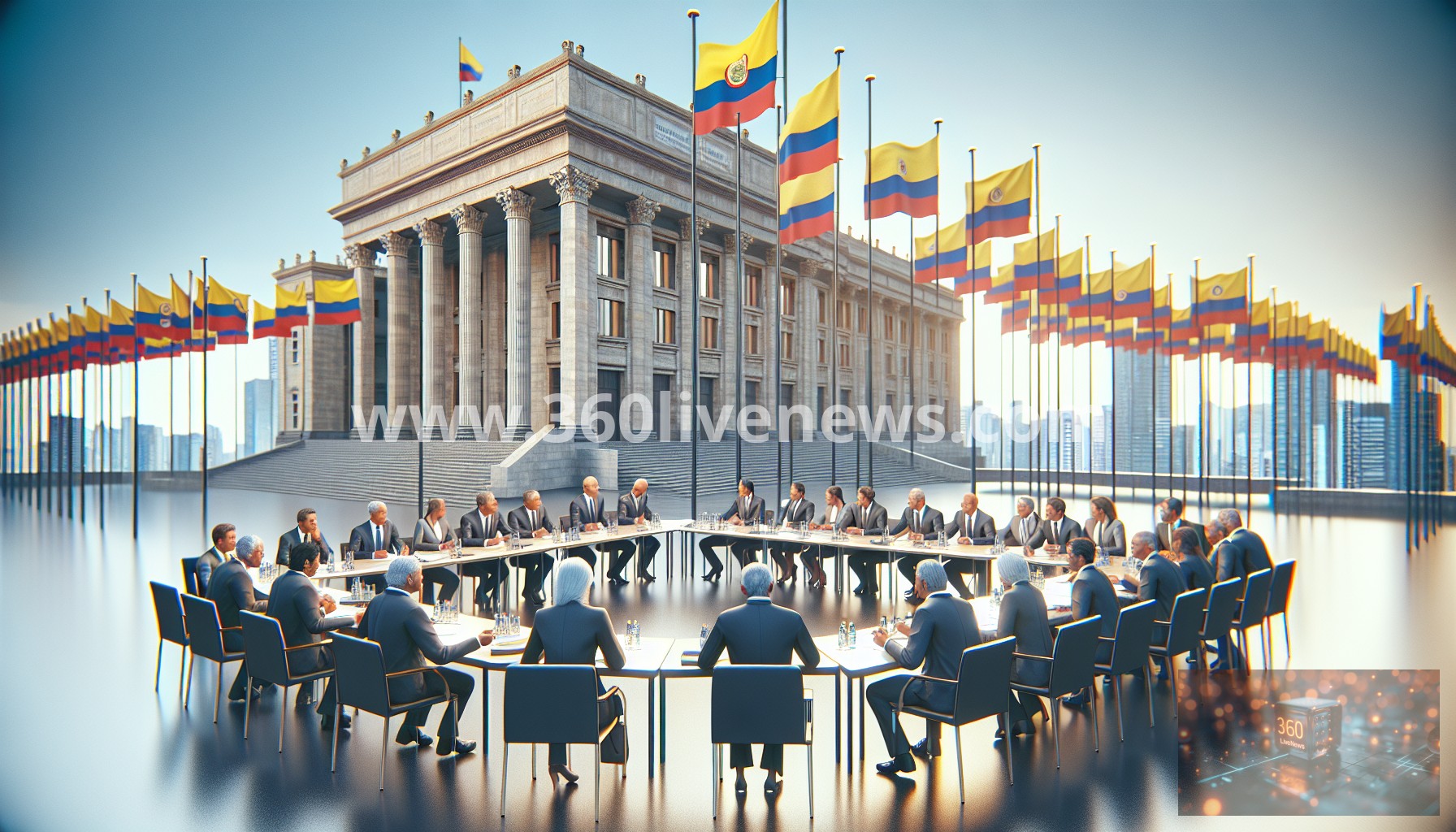
Colombia's legislative elections, held recently, have produced a divided congress, with President Gustavo Petro's leftist coalition retaining significant power amid shifting political dynamics. As preliminary results emerge, Petro's coalition is expected to maintain its dominance in both the lower chamber and the senate. However, the landscape reflects a congress marked by fragmentation, which will play a crucial role as the country approaches its presidential vote scheduled for May 31.
These elections are particularly significant as they come in the context of a resurgent right, posing a challenge to Petro’s political agenda. His administration has faced criticism and pushback from various sectors, and the division within congress could hinder the implementation of reforms that Petro seeks to champion before his term concludes. Despite being barred from seeking re-election, Petro aims to consolidate support within the legislature for his policies.
The political scenario has shifted dramatically in Colombia since the election of Petro as the first leftist president. In a country where right-leaning parties have traditionally held sway, the recent elections signal potential changes ahead. The division seen in the latest congress could lead to complications in governance, especially as Petro prepares for a broader electoral battleground against a reviving conservative faction, which may capitalize on any discontent with his administration.
Looking ahead, the presidential race is anticipated to intensify as candidates prepare for what is projected to be a competitive election season. Political analysts expect that the upcoming presidential polls will likely culminate in a runoff in June. The heavy scrutiny of legislative actions could play a pivotal role as the populace looks towards the May elections with a keen eye on party dynamics and candidate platforms.
In this environment of uncertainty, the potential for Petro's coalition to successfully navigate the fragmented congress reflects not only on his leadership but also on the broader implications for Colombian governance. The possibility of reforms, particularly those aimed at addressing social inequality and enhancing security, may hinge on how well the leftist bloc can partner with other factions in congress.
Petro’s legislative priorities include comprehensive reforms addressing healthcare, education, and social justice issues which have been central to his campaign. However, the mounting pressure from the opposition may complicate these efforts. According to preliminary reports, the challenges arising from this fragmented congress imply a need for strategic negotiations across party lines, a skill that will be critical for success as the electoral stakes rise.
International observers and local supporters had been watching the elections closely, given their potential to redefine Colombia's political landscape. With past instances of electoral volatility, this election serves as a litmus test for Colombia's ongoing transformation and the ability of progressive politics to gain traction against historically entrenched conservative ideologies.
As the nation braces for the runoff and the potential realignment of power, the implications extend beyond traditional party boundaries. The upcoming months will determine whether the recent electoral trends lead to lasting change or solidify the existing status quo. The unfolding political discourse is likely to retain a significant focus on social movements and public sentiment, reflecting broader geopolitical currents in Latin America.
This latest chapter in Colombian politics thus offers a dual panorama, a chance for change alongside the solidified presence of challenges that demand both adaptability and strategic foresight. How President Petro's administration and his successors navigate these turbulent waters will shape the trajectory of Colombian governance and its regional influence for years to come.
#Colombia #Elections #GustavoPetro #PresidentialElections #LegislativeElections #PoliticalReform #Congress #LatinAmerica
