Over 1,255 people killed in recent airstrikes in Iran, including 200 children and 11 healthcare workers
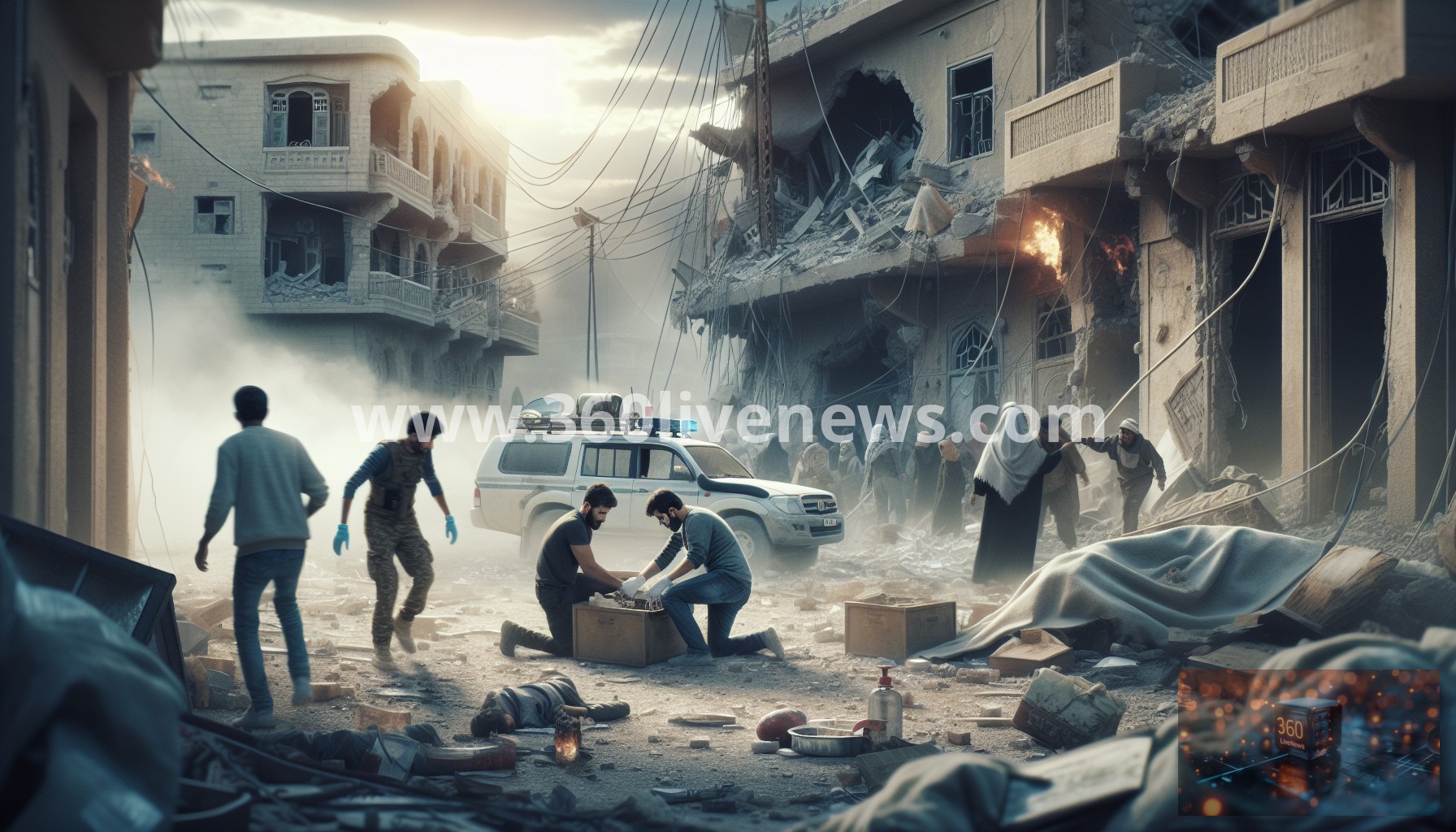
Iranian authorities have reported that over 1,255 people have been killed in the latest wave of airstrikes within the country. This grim toll has been confirmed by Iranian Deputy Health Minister Ali Jafarian, who stated that the attacks have predominantly resulted in civilian casualties, including 200 children and 11 healthcare workers. The airstrikes, which have been ongoing for nine days, have also led to approximately 12,000 injuries as healthcare facilities suffer extensive damage, disrupting medical services in the affected regions.
The assaults on Iran have reportedly caused widespread destruction to oil facilities, which has resulted in toxic smoke affecting air quality, particularly in the capital city of Tehran. Jafarian emphasized the nature of these casualties, underscoring that many victims were simply in their homes or workplaces when the strikes occurred. The ongoing crisis has raised significant concerns regarding humanitarian conditions in Iran, particularly with healthcare systems being strained under the weight of both casualties and infrastructural damage.
This military action appears to be a continuation of growing tensions between Iran and Israel, supported by the United States. Previously, hostilities had escalated due to a complex interplay of geopolitical issues and previous military engagements. The history of conflict can be traced back to the establishment of Israel and the decades of animosity that have ensued, particularly around Iran's nuclear ambitions and regional influence.
In addition to the immediate humanitarian crisis, the conflict is also significantly impacting international events, such as the upcoming World Cup playoff for Iraq. Graham Arnold, the head coach of the Iraqi football team, has called on FIFA to delay an important match scheduled for March 31 due to the limitations imposed by the war. The Iraqi airspace is currently closed until April 1, limiting his team's ability to gather, especially as many players are facing issues with visa procurement as embassies shutter in response to the turmoil.
The implications of the US-Israel actions in Iran extend beyond immediate casualties and disruptions. There are ongoing concerns about the geopolitical stability of the region. As military operations continue, observers are looking to the potential for broader retaliatory actions from Iran, which could affect neighboring countries and wider alliances. The regional dynamics remain tense, with various stakeholders involved responding to the actions taken by the US and Israel.
For the Iranian population, the recent attacks not only mean loss of life but also significant psychological impacts borne out of fear and uncertainty. The geography of the airstrikes spans across urban areas where civilian populations are dense, raising alarms about the ongoing viability of diplomatic interventions to resolve these escalating tensions.
As this situation progresses, international responses from organizations such as the United Nations will be closely monitored. Advocacy from various humanitarian organizations is likely to increase, emphasizing the need to address immediate humanitarian and medical needs for the affected populations. The impact of these events on local healthcare systems has made public health a critical concern moving forward.
Overall, this escalating conflict between Iran, Israel, and the United States highlights the interwoven complexities of regional politics, public health crises, and international sports events, setting the stage for dynamic changes in both diplomatic and humanitarian landscapes as efforts continue to address the ongoing fallout.
#Iran #Israel #UnitedStates #airstrikes #casualties #WorldCup #football #humanitarian
