NATO Intercepts Ballistic Missile Launched from Iran Aimed at Turkey Amid Rising Middle East Tensions
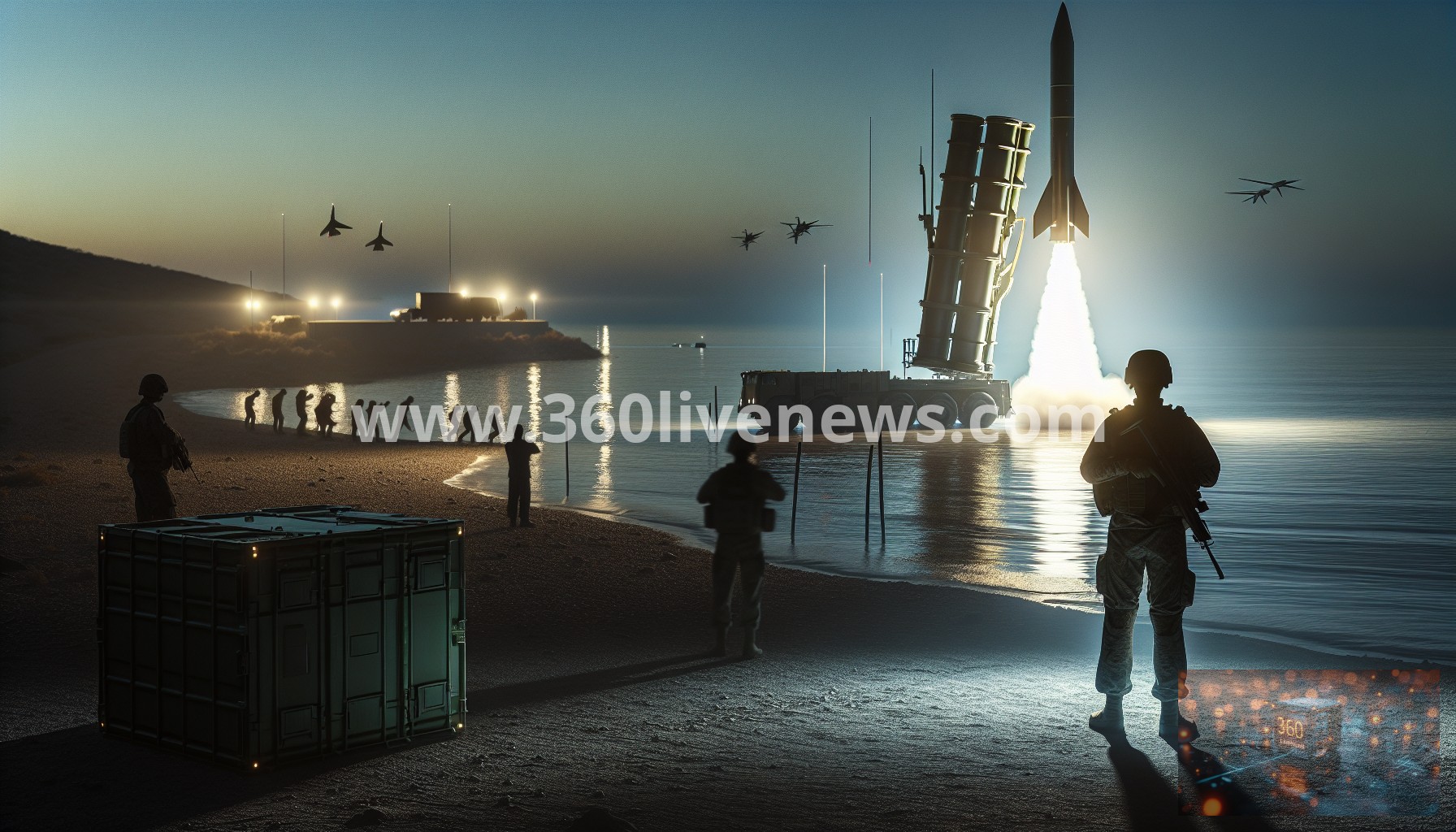
On Monday, NATO successfully intercepted a ballistic missile launched from Iran that was headed towards Turkey. This development marks a continuation of escalating tensions in the Middle East and raises concerns about military escalation involving NATO forces in the region. The interception occurred as part of Iran's ongoing retaliation against multiple nations following recent conflicts sparked by a US-led offensive against Iranian targets.
The missile interception was reported by the Turkish Defence Ministry, which indicated that the debris from the intercepted missile landed in Gaziantep province, located approximately 150 kilometers from the Incirlik Air Base. This base is strategically significant, hosting hundreds of US military personnel and widely believed to store US nuclear weapons. The debris also landed about 200 kilometers from Kurecik, where an advanced NATO radar system supports the Terminal High Altitude Area Defense (THAAD) anti-ballistic missile systems.
This incident follows a similar occurrence on March 4, when NATO intercepted another missile from Iran. In response to these missile strikes, NATO officials announced that they have reinforced their missile-defense posture in the region to prevent further threats. This includes an adaptive strategy that enhances monitoring and response capabilities in cooperation with member states.
The rising threat posed by Iran is causing concern for regional stability, particularly in light of Ankara's cautions regarding the potential escalation of hostilities. Turkish officials have emphasized that they will not permit their bases or airspace to be utilized for attacks against Iran. This decision underscores Turkey's complex role in the ongoing conflict as it navigates its geopolitical interests while dealing with security risks from possible Iranian retaliation.
The implications of these developments extend beyond Turkey. Cyprus, as the nearest EU member state to the Middle East, is already feeling the fallout from the intensifying conflict. The UK Foreign Office issued warnings after a drone strike hit RAF Akrotiri in Cyprus on March 2, underscoring the alarming proximity of hostilities to European territories. This strike was conducted by an Iranian-made Shahed drone and followed recent agreements allowing the US to utilize British military bases for offensive operations against Iran.
As the situation unfolds, the intersection of various geopolitical interests is becoming increasingly apparent. This includes the impact on tourist-dependent regions like Cyprus, where visitor numbers are projected to decline due to safety concerns stemming from the conflict. Approximately four million tourists visited Cyprus last year, with many being British nationals who have long favored the destination.
Experts are now closely monitoring these military maneuvers, considering both the strategic objectives of NATO and the potential for broader regional conflicts. Iranian actions are often perceived in the context of its longstanding adversarial relations with both Israel and the US, driving the imperative for alliances like NATO to respond effectively to maintain stability in the region. The continued development of military capabilities by Iran has raised alarms regarding its influence and intentions, leading to discussions about the effectiveness of current diplomatic efforts.
The current climate necessitates a robust response not only through military readiness but also via diplomatic measures aimed at de-escalating tensions. Previous diplomatic efforts to contain Iranian actions have yielded limited success, contributing to an environment where military engagement appears increasingly likely. As NATO bolsters its defenses, the necessity for a coherent strategy balancing deterrence and dialogue becomes critical to prevent any unintended escalation of conflicts.
In summary, the interception of Iranian missiles by NATO signifies not just a tactical success but also a reflection of the shifting dynamics in the Middle East. Governments and military leaders are presented with the dual challenge of addressing immediate security threats while also seeking longer-term solutions to the root causes of conflict in the region.
#NATO #Iran #Turkey #MiddleEast #missiledefense #Cyprus #USDefense Geopolitics">#Geopolitics #defenseposture #Incirlik #Gaziantep #Akrotiri
