France Deploys Naval Force to Middle East Amid Intensified Iran Conflict
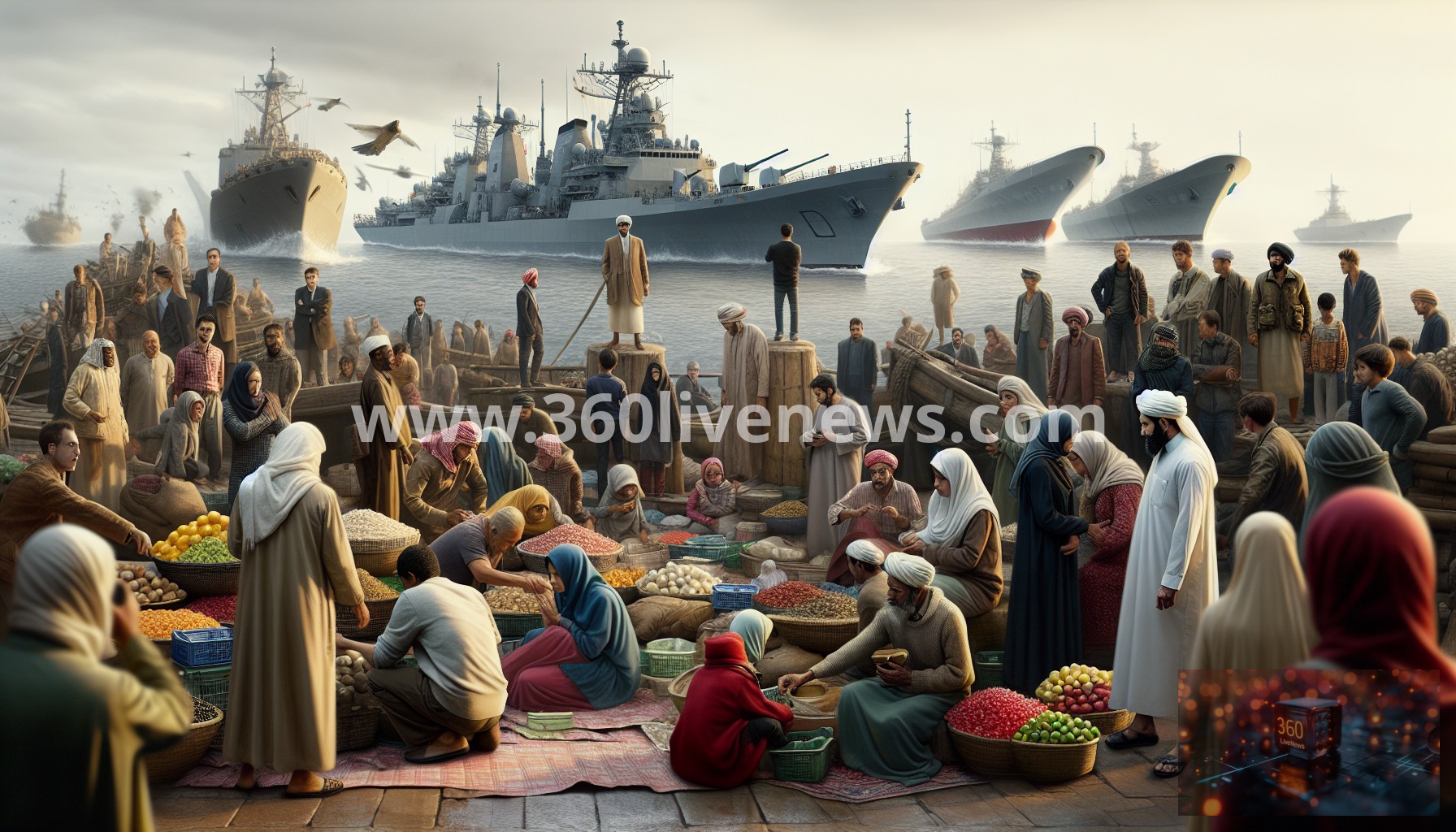
The ongoing conflict involving Iran has intensified, prompting President Emmanuel Macron of France to announce the deployment of a significant naval force to the Middle East. This move aims to bolster the security of France's allies in the region, particularly regarding maritime navigation through the vital Strait of Hormuz, a strategic chokepoint for global oil shipments.
The Iranian conflict, which has been brewing for an extended period just reached a critical phase, leading to increased tensions that are affecting global economic stability. President Macron indicated that this military presence could last "several days, maybe several weeks,” underlining the seriousness of the situation and the potential for continued instability in the region. This action highlights the interconnected nature of international relations, especially as geopolitical crises unfold.
Reports confirm that France's naval forces are being poised to perform escort missions for merchant vessels traversing the Strait of Hormuz, which is crucial for global energy supplies. The narrow waterway is a passage for approximately 20% of the world's oil, making it a focal point of international maritime trade. Protecting shipping lanes in this strategic region is of utmost importance for maintaining global economic equilibrium, particularly in light of the energy security concerns.
As the war escalates, its repercussions are being felt beyond the borders of Iran, traversing into the realms of global trade and economic stability. The conflict has already sent tremors through the international economy, with rising oil prices and supplies becoming a pressing concern. Disruptions in this region can lead to a cascading effect on energy markets worldwide, striking at the economic heart of multiple nations.
The Iranian government has not publicly commented on the deployment of French naval forces, which may indicate further attempts at establishing its military posture amid a volatile situation. Diplomatic channels remain at an impasse, and the absence of negotiations suggests that the conflict may escalate further, leading to more international military involvement, reminiscent of past military interventions.
This episode is symptomatic of a broader pattern of rising military escalations in the Middle East. Countries in the region have historically experienced conflicts stemming from religious, ideological, and political divisions, including the Syrian Civil War. The international response, particularly from France and other Western allies, signals a commitment to uphold maritime security but could also lead to an increased risk of wider military confrontations.
International observers and analysts anticipate that this military buildup could attract other nations into the fray, heightening tensions further. Security experts express concerns regarding how these developments might influence the trajectory of the conflict, as military presence often escalates situations rather than stabilizing them. The implications for labor, trade, and international relations are significant, urging stakeholders to monitor the situation closely, especially in the context of globalization.
As this situation develops, it remains critical to analyze how it fits within the broader context of geopolitical dynamics. The Iranian conflict is not operating in a vacuum; it intersects with factors including international energy policies, alliances, and adversarial relationships among nations. Understanding these elements is essential for navigating the consequences that arise from such military engagements, particularly in relation to geopolitics.
#AsiaPacific #Iran #France #MiddleEast #MaritimeTrade #MilitaryDeployment #InternationalRelations #EnergyPolicies
