Russia Condemns US-Israeli Strikes in Iran as Unprovoked Aggression Against Sovereign State
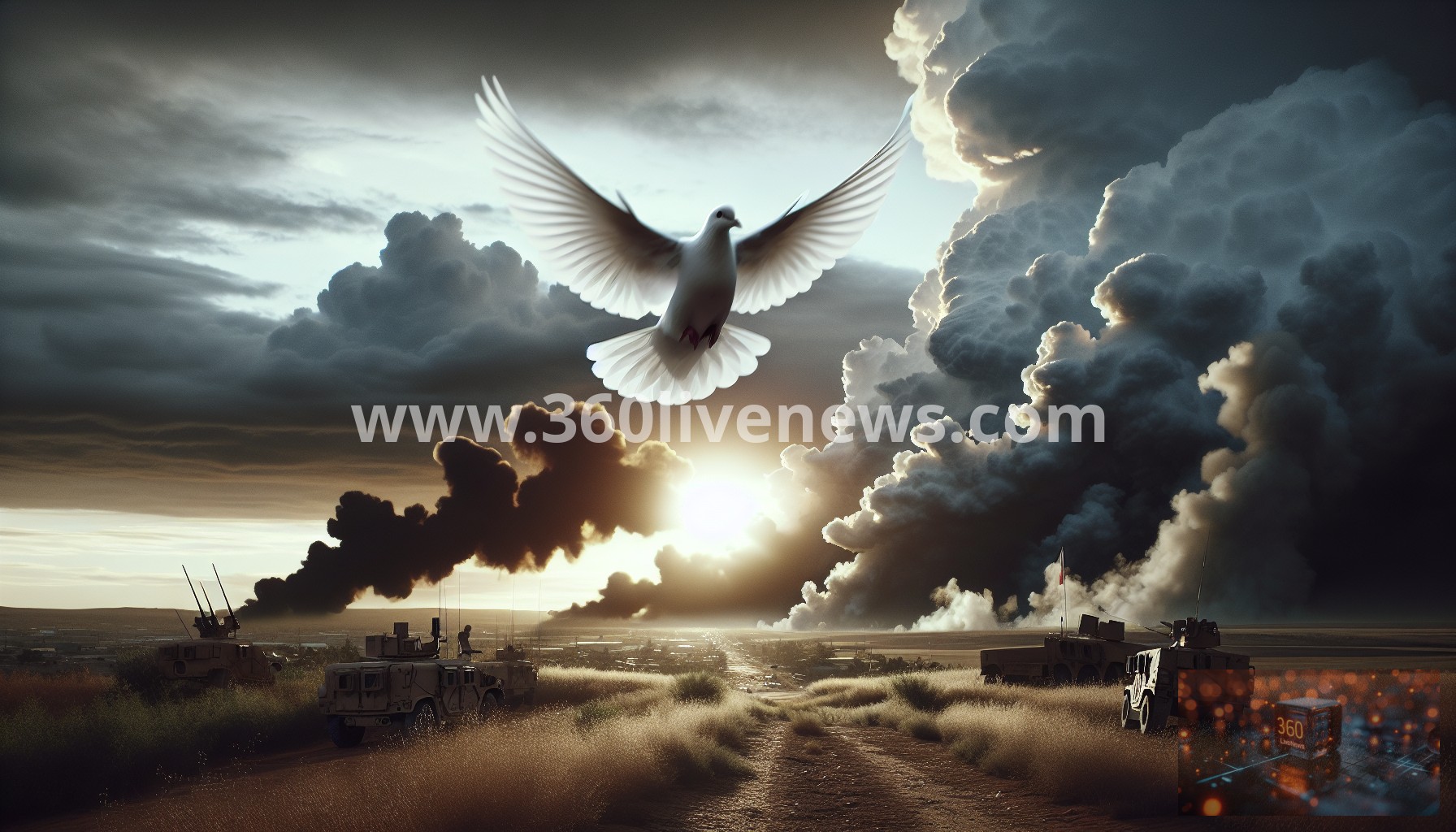
Russia has responded to the recent escalation of military operations in Iran, specifically condemning the US-Israeli strikes as an "unprovoked act of armed aggression against a sovereign and independent UN member state." This reaction signals a significant shift in diplomatic rhetoric, as both Russia and the US are employing similar strategies to frame their respective military engagements as defensive operations rather than outright wars.
The US has labeled its intervention as "Operation Epic Fury," paralleling Russia's characterization of its military approach in Ukraine as a "special military operation." In both scenarios, national leaders, Vladimir Putin and Donald Trump, invoke historical narratives designed to legitimize their actions and portray their countries as victims of external provocation. Putin referenced perceived injustices from past Western interventions in conflicts across Yugoslavia, Iraq, Libya, and Syria, while Trump highlighted a long-standing history of Iranian antagonism towards the United States, stretching back to the 1979 hostage crisis.
As the situation in Iran unfolds, further details regarding casualties and localized military activities in specific regions have yet to be fully disclosed. The dynamics of this conflict are still developing, but there are clear implications for the geopolitical landscape, particularly concerning U.S.-Russia relations and the broader regional stability of the Middle East.
This emerging confrontation highlights existing tensions, notably the strategic alliances formed through various military operations. Russia's close ties with Iran, coupled with its military engagements in Syria, create a complex web of interests that complicate the West's efforts to diminish Iranian influence in the region. Washington's latest actions appear to be part of an ongoing strategy to contain Iranian power and subvert its military ambitions across the Middle East.
In the wake of these developments, analysts have begun to assess potential consequences for international diplomacy. The US and its allies may find it increasingly challenging to maintain stability in the region given Russia's alignment with Iran. The military operations of the US-Israel partnership aim not only to address immediate security concerns but also to counterbalance Russia's growing footprint in the Middle East.
The geopolitical implications extend beyond immediate military considerations. The engagement of external powers in Iran is likely to have lasting impacts on regional security dynamics and could potentially invigorate Iran's relationships with other global players seeking to counter Western influence. Notably, organizations like the United Nations may be called upon to mediate the situation, though the effectiveness of such intervention remains to be seen.
These actions are not merely isolated incidents but form a part of a larger trend toward militarization in international relations, reminiscent of historical conflicts. Additionally, the invocation of victimhood by state leaders often lays the groundwork for domestic support for military actions abroad, complicating potential diplomatic resolutions.
It remains seen how these recent developments will shape future military and diplomatic engagements in the Middle East. International observers are watching closely, as the situation continues to evolve with profound implications for all parties involved.
#Russia #Iran #Military #US #MiddleEast #Diplomacy #Geopolitics #OperationEpicFury
