US Defense Secretary Declares Most Intense Day of Strikes in Iran Amid Ongoing Military Operations
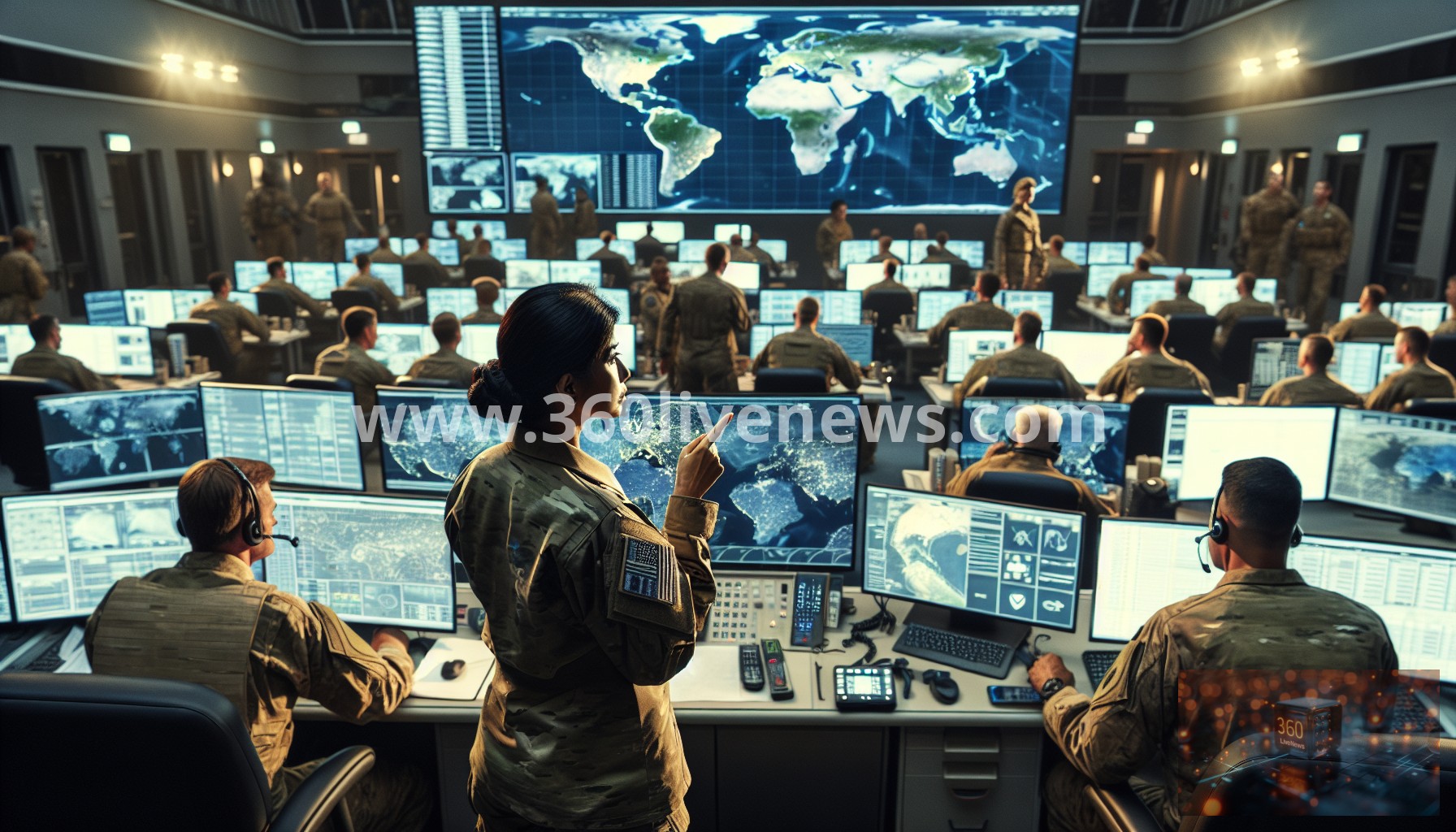
As military operations intensify, US Defense Secretary Pete Hegseth has declared that today will be the most intense day yet of US strikes within Iran. This declaration comes amid a continued wave of military aggression, involving both Israeli and American forces, aimed at various locations within the Islamic Republic, particularly targeting terror-related sites. Hegseth's comments suggest a strategic escalation, with President Donald Trump indicating a perplexing and somewhat conflicting approach regarding the timeline of this military engagement.
Reports indicate that Iranians are facing immense challenges as the sustained attacks have disrupted daily life. Citizens of Tehran and the neighboring city of Karaj have expressed their fears and exhaustion as the sound of explosions reverberate every few hours. Many are struggling with power outages and acute anxiety as the violence seems to encroach upon their neighborhoods. One individual recounted a harrowing night spent in "total darkness," while another lamented, "I just want to be able to sleep tonight," reflecting the distress that has permeated civilian life during this period of heightened conflict.
The Israeli military's recent announcement of a broad wave of strikes against what it labels "terror targets in Tehran" has further escalated hostilities. This strikes an alarming chord as it underscores the precarious security situation, with civilians caught in the crossfire. The ongoing violence displays a significant shift in operational tactics, with both US and Israeli forces aiming to dismantle perceived threats within Iran, thereby complicating an already volatile regional landscape.
Confirming the US military posture, General Dan Caine, the Chairman of the US Joint Chiefs of Staff, remarked that while he respects Iran’s resistance, he does not believe that Iranian forces are more capable than previously assessed. His statements suggest a confidence in the operational superiority of US forces while acknowledging the resilience of Iranian fighters. This dynamic indicates an ongoing struggle for supremacy between the US-led coalition and Iranian military capabilities.
The backdrop to this intensifying conflict is a history stained by long-standing tensions between Iran and the West. US and Iranian relations have remained fraught since the 1979 Iranian Revolution, which saw the establishment of a theocratic regime resentful of US influence in the region. Over decades, policies like economic sanctions and military interventions have been a hallmark of US strategy aimed at curbing Iran's influence, often leading to corrosive consequences for regional stability.
In recent events, the deterioration of security within Iranian cities after sustained aerial bombardment has raised pressing concerns among human rights organizations and international observers. The frequency of missile strikes prompted the necessity for civilian evacuations, although specific figures regarding displacement and casualties remain difficult to verify due to the ongoing chaos. Such humanitarian implications invariably raise questions about the legality and ethical considerations surrounding military operations in densely populated urban areas.
This current wave of conflict is not without significant geopolitical implications. The US’s commitment to military actions has reverberated throughout the Middle East, provoking reactions from Iran and neighboring states. As divisions deepen, potential retaliatory strikes from Iranian proxies against US interests in the region become a distinct possibility, further complicating an already fraught security landscape. Observers have pointed out that this cycle of aggression may have lasting ramifications on US foreign policy in the region.
As the situation unfolds, experts are closely monitoring the potential outcomes of today's military actions, particularly regarding their immediate humanitarian impact and their long-term implications for regional stability. The intersection of military strategy and humane considerations remains critical, especially as civilian casualties increase. Policymakers may need to pivot swiftly to mitigate damage or risk further inflaming tensions that could spiral beyond control, putting broader regional security at risk.
In summary, the escalation of military activities in Iran marks a critical moment in a fraught historical timeline. The convergence of Israeli and US military strategies in combating recognized threats does not only contribute to the current instability but also underscores the fragility of peace in a strategically vital region. This escalating crisis is poised to attract substantial international scrutiny, and the responses observed in the coming days will be pivotal in shaping the future of US-Iranian relations.
#Iran #USStrikes #Israel #MilitaryOperations #Casualties #HumanRights #Geopolitics #RegionalSecurity
