Air strikes in Iran lead to significant pollution issues in Tehran, raising health concerns for nearly 10 million residents
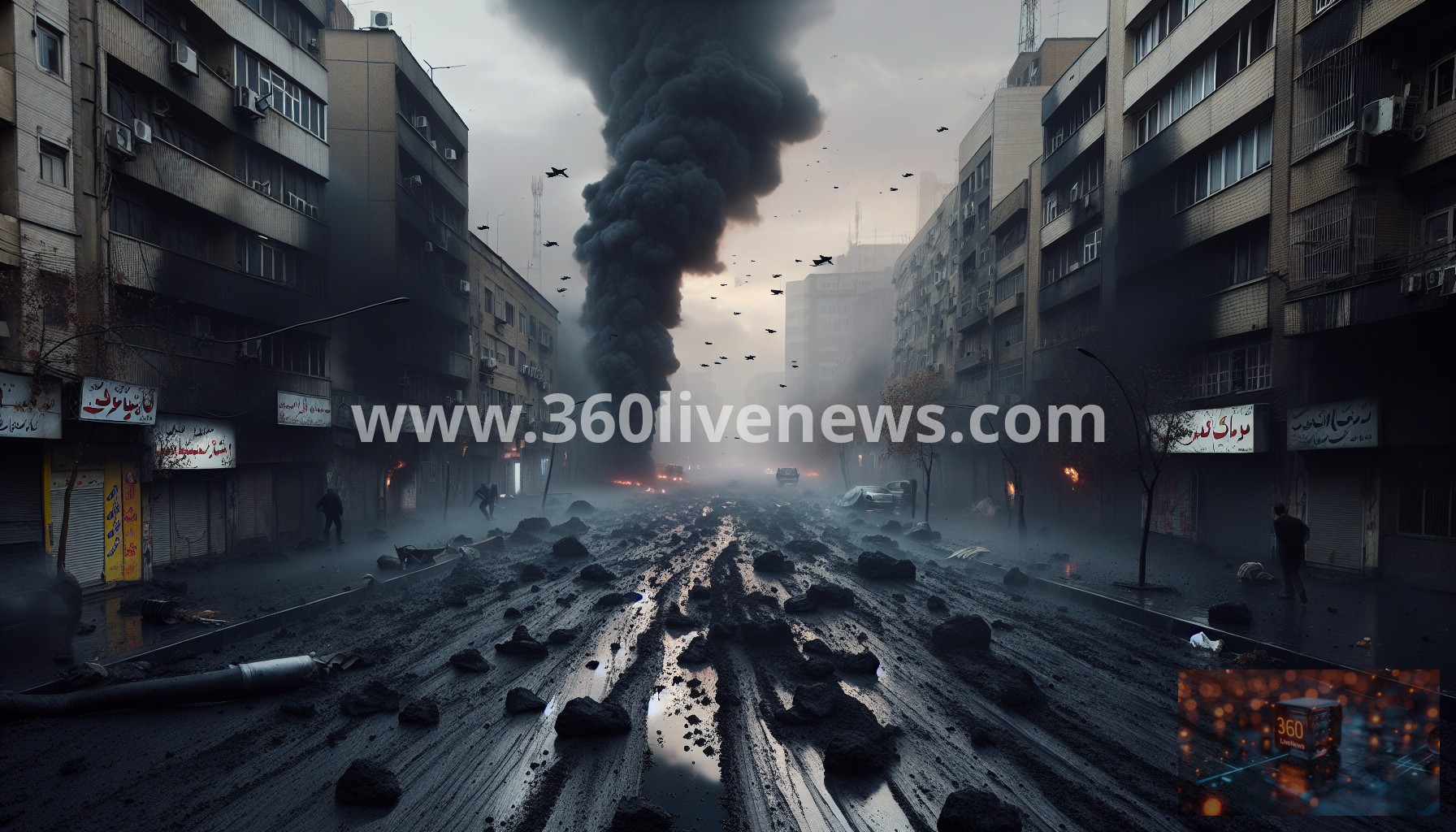
As the air strikes in Iran continue, recent military actions have resulted in significant pollution issues for the capital, Tehran. These strikes, part of an ongoing US-Israeli campaign that initiated on February 28, have reportedly targeted multiple oil facilities, with satellite imagery revealing smoke plumes affecting the city. As of March 10, experts have warned that the resulting pollution could be classified as "unprecedented," leading to substantial health concerns for the nearly 10 million residents of Tehran and its surrounding environments.
Reports indicate that at least four oil facilities have been struck since the start of hostilities, severely impacting air quality in the region. The World Health Organization (WHO) has raised alarms about the health risks posed to the residents. The city has been engulfed in smog, reducing sunlight visibility and leaving a strong smell of burning substances permeating through the air. This atmospheric degradation has sparked fears among residents regarding their health and wellbeing during these increasingly dangerous times.
Eyewitness accounts indicate that the air strikes over the night of March 9 into March 10 were among the most severe since the conflict escalated, with individuals noting a devastating toll on both infrastructure and quality of life. The recent escalation further intensifies the ongoing conflict dynamics and raises significant political and health concerns as residents react to the heavy bombardments.
US Secretary of Defense Pete Hegseth characterized March 10 as potentially the "most intense day" of strikes to date, amplifying fears among local populations and increasing international scrutiny of the military operations. This escalatory rhetoric from the US reinforces a broader geopolitical strategy that highlights the escalating tensions surrounding Iranian oil facilities and the associated military targets.
Officials have yet to issue comments or statements on behalf of the US or Israel regarding these ongoing operations, but the silence contrasts sharply with the significant reactions from local populations and international observers alike. This ambiguity raises questions about the strategic intentions behind such concentrated military efforts and the long-term implications for both Iran and US-Israeli relations.
The ramifications of these strikes extend beyond immediate military objectives, as the environmental damage and public health risks become increasingly critical. The negative effects of such extensive military activity, including the release of hazardous pollutants, underscore the complex interplay between military actions and civilian impact in urban settings. Scientists have warned of high levels of pollutants in Tehran's atmosphere due to these strikes, leveling the potential risk of long-term health consequences.
With significant infrastructure surrounding oil production vulnerable to attack, the strategic significance of these facilities cannot be understated. Attacks on energy infrastructure are often aimed at crippling a nation's economic foundation, particularly in oil-dependent states like Iran. This could further exacerbate existing economic strains within the country while also driving foreign policy calculations for nations involved in the conflict.
As the air strikes show no signs of abating, the international community faces pressing questions regarding humanitarian obligations and intervention strategies. Accurate reporting from Iran remains challenging due to restrictions, complicating the understanding of the true scale of devastation and civilian impact. With public health becoming a pivotal concern in this escalating conflict, calls for transparency and humanitarian support are likely to grow louder.
Going forward, the health of Tehran’s residents and the environmental fallout from ongoing military activities will undoubtedly remain at the forefront of discussions surrounding regional stability and international relations. The situation is fluid, and further developments are anticipated as both military operations continue and responses to the humanitarian needs of affected populations are assessed.
#Iran #Tehran #military #US #Israel #WorldHealthOrganization #enviromentalHealth #pollution
