Pentagon reports 140 U.S. troops injured amid escalating tensions with Iran
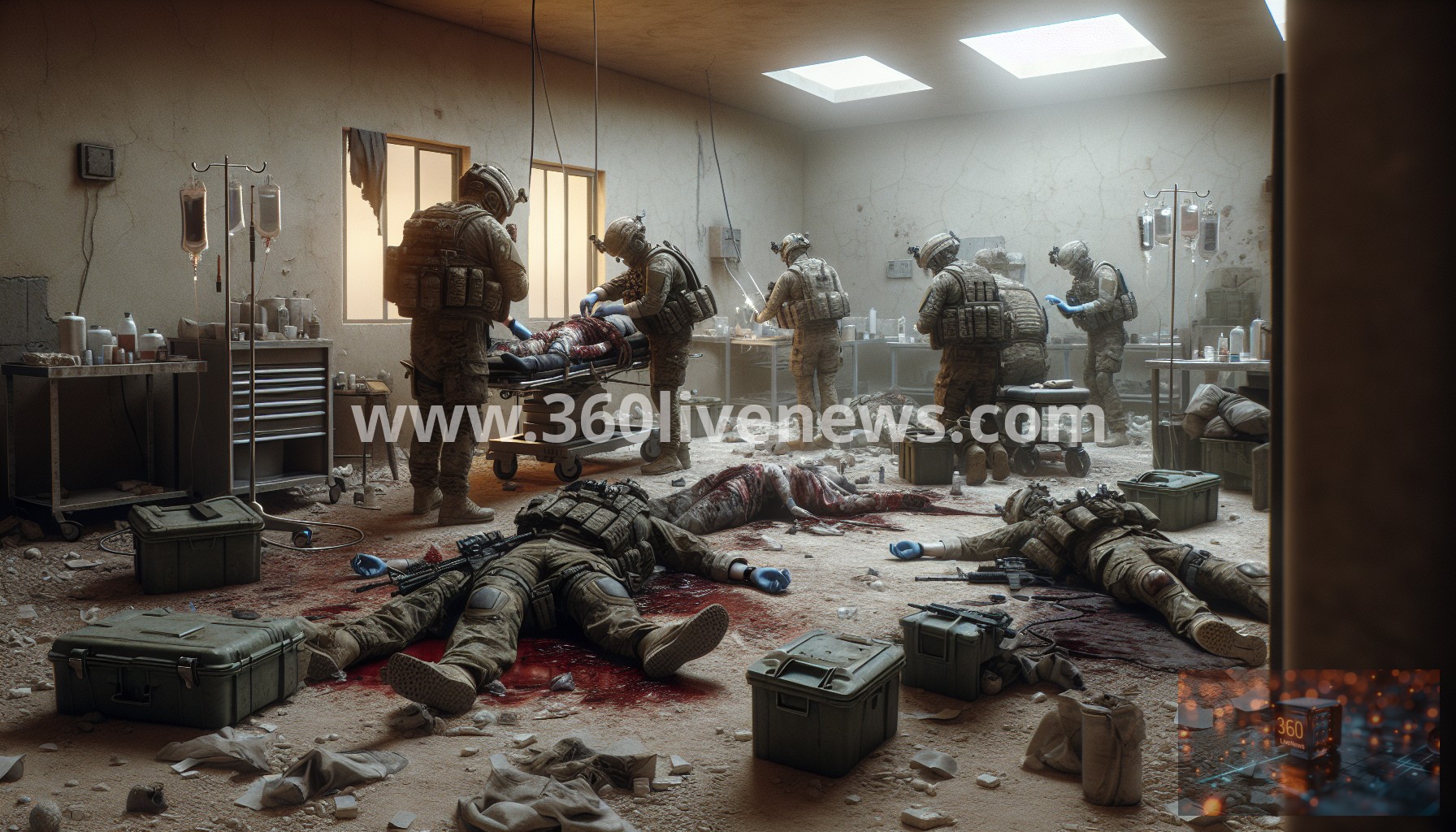
The ongoing conflict between the United States and Iran has escalated, with the Pentagon reporting approximately 140 troops injured as tensions mount in the region. While most injuries are said to be minor, eight individuals sustained severe wounds. This update comes as discussions intensify regarding potential military action involving U.S. forces in Iran, particularly in light of the country's nuclear capabilities.
According to a Pentagon spokesman, the count of wounded personnel is higher than previously acknowledged. The injuries have emerged amid a backdrop of heightened military engagement and strategic operations aimed at countering Iran's activities. The current troop injury numbers signal the increasing stakes of the confrontations that have unfolded, particularly between U.S. forces and Iranian military provocations.
Reports indicate that the Trump administration is contemplating a deployment of special forces into Iran with the primary objective of securing the nation's stockpile of highly enriched uranium (HEU). Nuclear experts suggest that Tehran has sufficient material to manufacture at least ten nuclear warheads, heightening international concerns regarding Iran's nuclear intentions. In response to the escalated threat, U.S. Secretary of State Marco Rubio has stated that "people are going to have to go and get it," suggesting a possible aggressive stance toward Iran's nuclear stockpile.
Recent assessments from the International Atomic Energy Agency (IAEA) confirm that approximately 200 kg of Iran's HEU stockpile is believed to be hidden in deep tunnels at its nuclear complex located near Isfahan. Additionally, another quantity of HEU is reported to be at the nuclear facility in Natanz, where an advanced and fortified site known as Kuh-e Kolang Gaz La, or Pickaxe Mountain, has been developed. These locations underscore the complexities involved in any potential military operations aimed at neutralizing Iran's nuclear capabilities.
Historically, Iran's pursuit of nuclear capabilities has been a focal point of U.S. foreign policy in the Middle East. This conflict has led to numerous sanctions and diplomatic efforts, most notably the Joint Comprehensive Plan of Action (JCPOA). However, the United States' withdrawal from this agreement under the previous administration has created a vacuum of trust and intensified military posturing. This historical context is crucial in understanding the dynamics at play in the current military considerations.
The potential deployment of U.S. forces represents a significant escalation in military involvement, with implications not just for U.S.-Iran relations but also for regional stability. The prospect of ground operations raises concerns among military analysts regarding the risks involved, including retaliatory actions from Iran that could further destabilize the region and jeopardize U.S. interests.
The implications of these developments extend beyond military considerations, intertwining with broader geopolitical ramifications. Israel has reportedly engaged in discussions with U.S. officials regarding collaborative efforts to address the Iranian threat, indicating a united front among allies. However, the complexities of such military operations could exacerbate existing tensions among groups in the region, including Hezbollah and other Iranian-backed entities.
As the situation continues to evolve, expert opinions are divided on the feasibility and potential success of direct military action to secure Iran's nuclear stockpile. Analysts warn of the high operational risks involved, suggesting that any ground engagement could lead to significant casualties and strategic backfire. The objectives must be carefully weighed against the potential for escalation, requiring a nuanced approach to American military strategy in the context of Iranian aggression.
This incident serves as a reminder of the precarious balance that undergirds Middle Eastern geopolitics. With nuclear threats on the horizon and military engagements intensifying, tensions are unlikely to de-escalate in the near term. The unfolding events in Iran will not only determine the fate of U.S. forces but also shape the broader landscape of international relations concerning nuclear proliferation in contentious environments.
#Iran #Pentagon #nuclear #military #HEU #Israel #IAEA #TrumpAdministration
