US to release 172 million barrels of oil from strategic reserve to address rising prices amid ongoing conflict in the Middle East
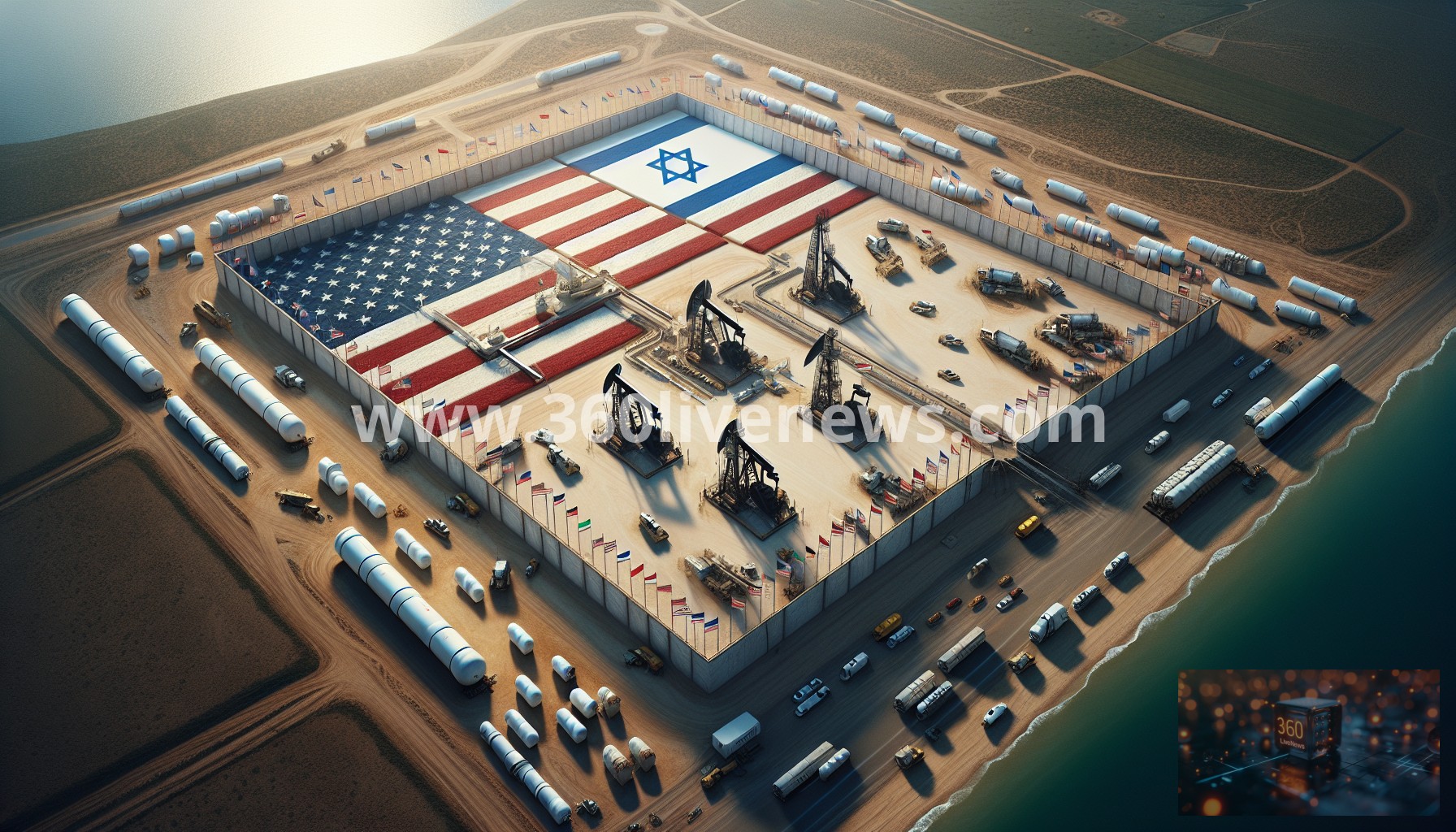
The United States has announced that it will release 172 million barrels of oil from its strategic petroleum reserve. This decision, according to US Energy Secretary Chris Wright, is part of a larger strategy to combat soaring oil prices exacerbated by the ongoing conflict involving the United States, Israel, and Iran. Wright indicated that this release is part of a coordinated move involving the 32-member International Energy Agency, which has agreed to release a total of 400 million barrels.
The oil release is expected to begin next week and will take an estimated 120 days to complete. Wright stated that the initiative aims to stabilize and secure energy supplies for the US and its allies, citing Iran's actions as a destabilizing factor in the region. In his remarks, he accused Iran of "manipulating and threatening the energy security of America and its allies," emphasizing the necessity of the oil release as a strategic countermeasure. This situation highlights the ongoing challenges of energy security in a volatile geopolitical landscape.
Recently, the ongoing tensions have led to heightened concerns about military actions affecting energy markets. At a rally in Kentucky, former President Donald Trump claimed that Iran's military and nuclear capabilities had been significantly degraded, asserting that their drone capabilities were down by 85% and that US actions were effectively dismantling key military assets. Trump's statements reflect a growing narrative within the US political landscape regarding the need for ongoing military engagement in the region, particularly in relation to nuclear weapons and military strategy.
The broader context of the US-Israel confrontation with Iran has roots in longstanding geopolitical divisions. Iran has been a central figure in regional instability, with its support for groups labeled as terrorist organizations by the US and Israel contributing to tensions. The recent military actions, including airstrikes and targeted operations against Iranian assets, are indicative of the aggressive posture adopted by the US in the Middle East.
This current phase of conflict aligns with prior military engagements, wherein the US has taken assertive measures to destabilize Iranian influence across the region. The series of retaliatory strikes and targeted assaults on Iranian infrastructure signal an escalated commitment by the US to curtail Iran’s regional ambitions. Observers within expert circles note that this approach not only aims at weakening Iran militarily but also to enhance the security framework surrounding US allies in the Middle East, particularly Israel.
The economic implications of this oil release could be significant, particularly as global markets react to potential changes in supply dynamics. As countries rally to adjust to shifting energy sources and costs, the US's strategic usage of its oil reserves could aim to provide a buffer against the volatility plaguing oil prices. Analysts suggest that these measures may seek to reassure an anxious market, while also positioning the US as a stabilizing force amidst the chaos, reflecting the complexities of economic policy in times of crisis.
In the face of ongoing conflict, the international community watches closely to understand how these developments will impact global oil supply lines and geopolitical alliances. Nations across the world may be compelled to reassess their strategies regarding energy independence and military involvement as the situation unfolds. The intersection of energy policy and military strategy may further dictate the trajectory of US-Iran relations as this conflict enters a new and uncertain phase.
As the situation evolves, the Biden administration's energy policy will come under scrutiny. How effectively the White House can balance domestic energy needs with international relations and military commitments will be critical. The call to action presented by Wright and the commitment to oil releases may serve to galvanize domestic support, yet it brings with it the complexities of international diplomacy and the ongoing risks of military conflict.
In conclusion, the scheduled release of 172 million barrels of oil from the US strategic reserve marks a significant moment in the ongoing US-Iran conflict. The intertwining of energy policy and military action underscores a broader strategic narrative that will likely shape both domestic policy and international relations in the months to come. As events continue to unfold, further assessments will be necessary to fully comprehend the impact of this bold strategic move.
#Iran #Oil #US #Israel #EnergyPolicy #Conflict #Trump #InternationalEnergyAgency
