French officer killed in drone attack in Iraq's Kurdistan region, marking first military death linked to current hostilities
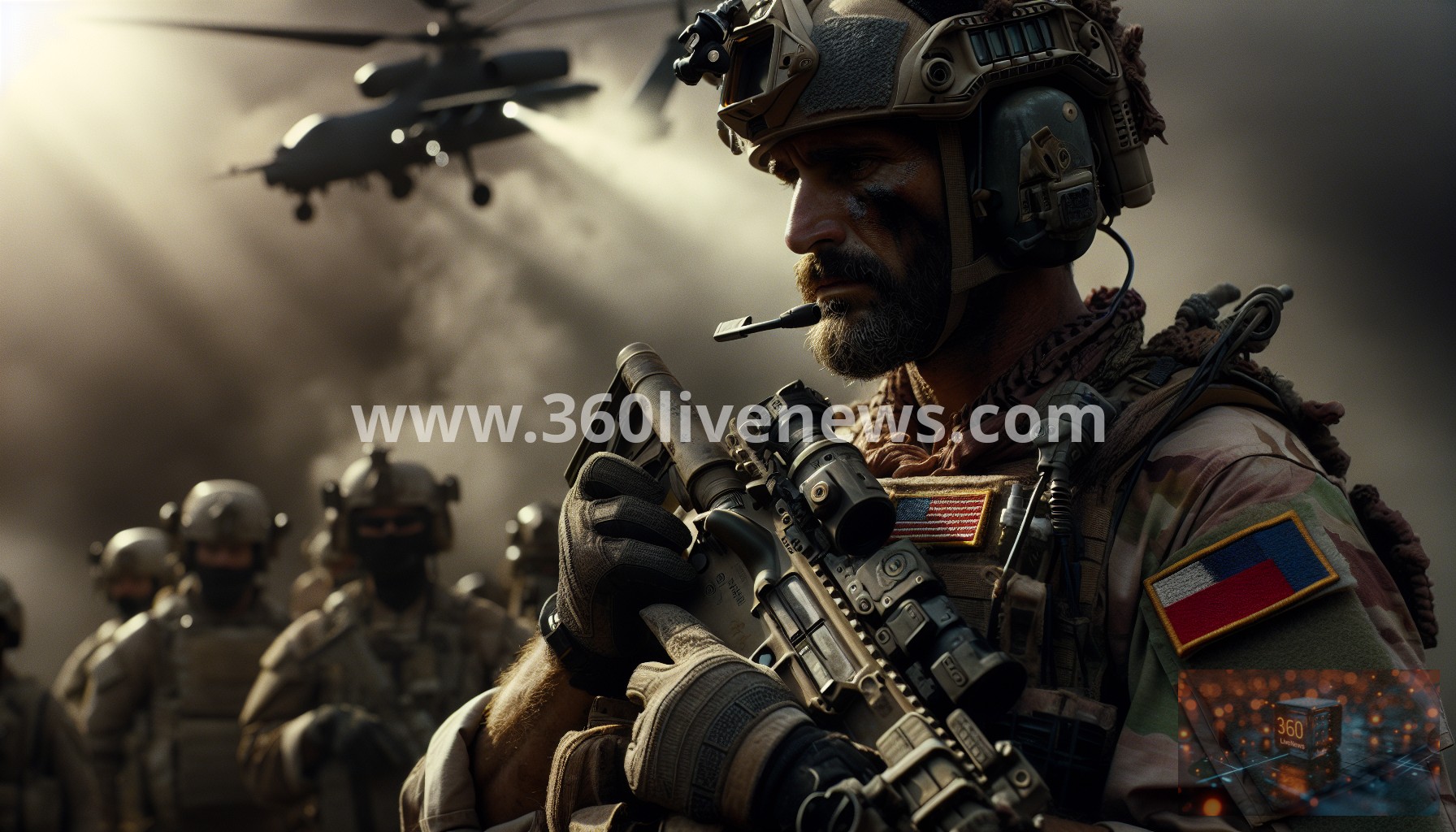
A French officer has been killed in a drone attack in Iraq’s autonomous Kurdistan region, a tragic confirmation from President Emmanuel Macron. This unfortunate incident, which occurred amid ongoing escalations in the Middle East conflict, marks a significant development as Macron labeled it the first French military death linked to current hostilities in the region. The attack took place on Thursday, and several other soldiers were also reported wounded.
President Macron conveyed the news through a post on the social media platform X, stating that the member of the armed forces “died for France during an attack in the Erbil region of Iraq”. The attack has been attributed to pro-Iranian factions, increasing concerns for foreign personnel involved in international operations aimed at countering extremist violence.
The geopolitical context surrounding this incident is deeply intertwined with a recent surge in military engagements in the area, particularly following US-Israeli strikes on Iran. These attacks have reportedly led to a series of retaliatory actions from Iranian-backed groups, targeting various locations where international forces are stationed. The attack in Erbil can thus be seen as part of the broader escalation that has engulfed the region, triggering a complex cycle of retaliatory violence.
In the wake of the assault, Macron condemned Iran's continued military aggressions, labeling them “unacceptable.” He highlighted the destabilizing consequences that such attacks have on the already volatile situation in the Middle East, reiterating that aggressive responses cannot be justified under the current circumstances. Macron’s strong language indicates a firm stance on protecting French nationals and interests in the region amid rising tensions.
As part of ongoing hostile activities, Iranian drones and missiles were reported to have targeted military bases in the Kurdistan region, intensifying fears for the safety of coalition forces operating there. The Erbil attack is seen not only as a direct assault on French military presence but also as part of a broader strategy by Iranian groups to project power in the region, following the establishment of a French aircraft carrier in the Mediterranean.
The Iranian group, Ashab Alkahf, has openly declared intentions to target French interests, underscoring the volatile security landscape that foreign military forces are currently operating within. The situation in Iraq remains precarious as these factions proclaim their readiness to escalate attacks against any perceived adversary, which could further complicate ongoing military efforts against extremist threats.
This incident occurs during day 14 of the Iran war, a conflict marked by increasing military confrontations and retaliatory actions involving Iran, Israel, and allied forces. As the humanitarian and security implications of the war mount, calls for strategic reassessment and heightened security measures for coalition forces have echoed in military and diplomatic circles.
Defense officials have noted the significant risks faced by troops stationed in conflict-affected regions, particularly as pro-Iranian attacks appear to be growing in frequency and lethality. The Iraqi defense ministry, recognizing the heightened threats, may need to bolster protections for all foreign forces operating in its territory to deter further aggression.
The response to this tragedy from the French government and military stakeholders will likely involve concerted efforts to enhance operational security and reaffirm commitments to protect deployed personnel. In a landscape rife with unpredictability, the urgent need for strategic dialogue and potential collaboration with local authorities has never been clearer.
Currently, the ramifications of this incident extend beyond immediate military concerns; the potential for regional destabilization remains high. Analysts weigh in on how escalated hostilities involving Iran and its allies may compel a reevaluation of the roles that Western nations play in Middle Eastern conflicts, especially considering the implications for global security and economic stability.
#Iran #Iraq #France #MiddleEast #DroneAttack #Military #Conflict #EastKurdistan
