Over 800,000 people displaced in Lebanon amid escalating Israel-Hezbollah conflict, reports Norwegian Refugee Council
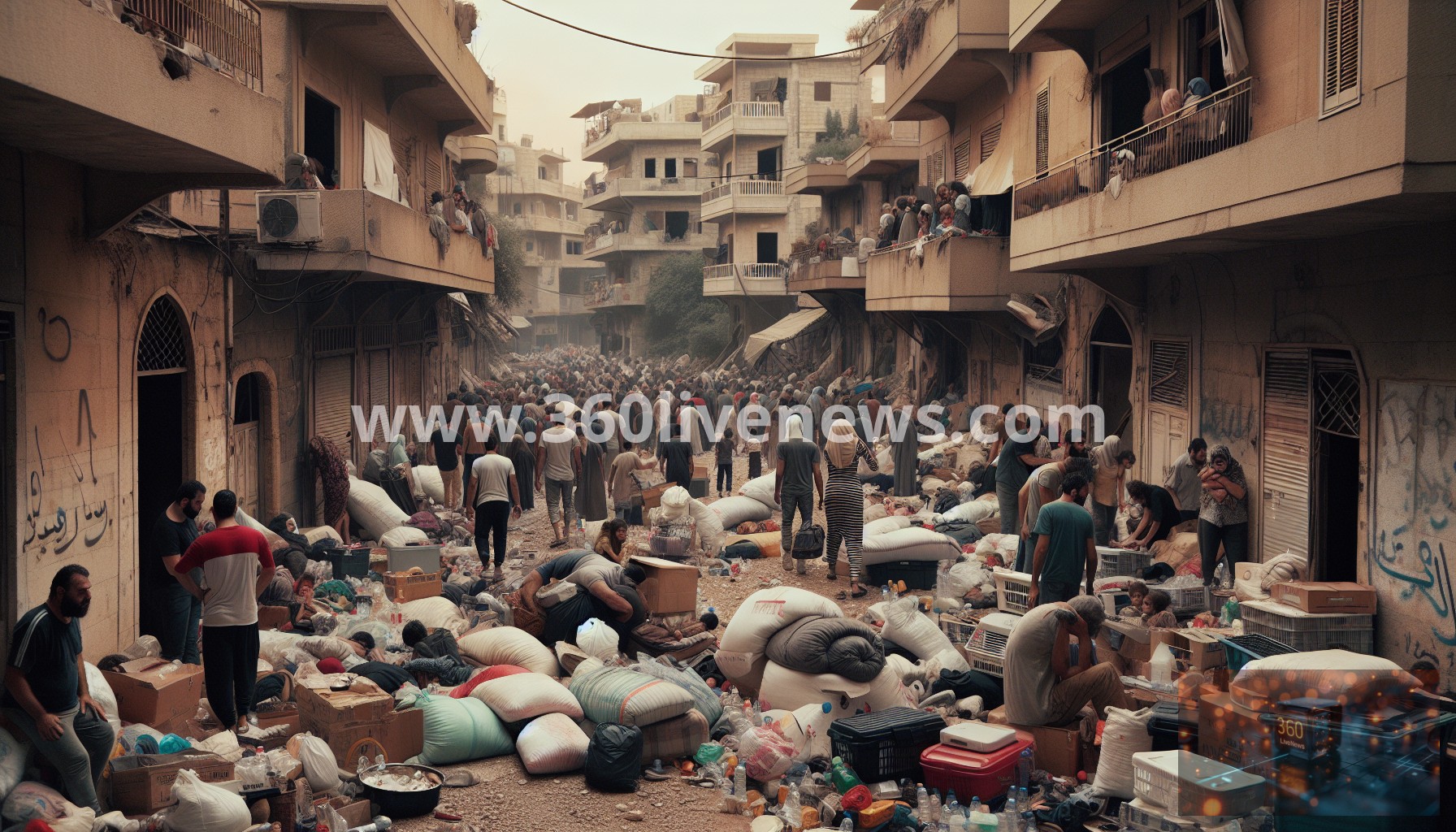
The humanitarian situation in Lebanon is rapidly deteriorating as the conflict between Israel and Hezbollah escalates, leading to massive displacement of civilians. Recent reports indicate that over 800,000 people have been displaced, marking a critical spike in humanitarian needs. The Norwegian Refugee Council has stated that about one in every seven people in Lebanon has been forced from their homes amid fears of continued violence.
Aid workers are struggling to keep pace with the overwhelming demand for assistance. As families flee, many have sought refuge in overcrowded shelters or makeshift accommodations. For instance, Fatima Nazha, who uses a wheelchair, has found herself living in a tent at the country’s largest stadium after failing to find space in full shelters. The cash-strapped Lebanese government has only managed to provide housing for approximately 120,000 individuals, which underscores the dire conditions faced by many displaced families.
The urgency of the crisis has been underscored by Israel's recent mass evacuation order, which affected about 10% of Lebanon's territory, particularly impacting areas like Tyre, a known bastion of Hezbollah. Despite the threats posed by ongoing Israeli airstrikes aimed at the Iran-backed militant group, some residents in Tyre have chosen to remain, displaying a mix of defiance and determination to protect their homes and livelihoods amidst the turmoil.
This crisis has followed closely on the heels of a previous conflict that had already displaced over a million people just over a year ago, highlighting the recurring nature of violence and instability in the region. The current military actions have been described as more intense and unpredictable than in past conflicts, adding to the anxiety and uncertainty faced by the Lebanese populace.
The humanitarian response is further complicated by Lebanon’s ongoing economic struggles, which have long hindered the government’s ability to adequately care for its citizens' needs. Many families find themselves at a loss, with essential resources in short supply and only a fraction receiving publicly provided assistance. Schools have been turned into shelters, but they are now overwhelmed, leaving numerous families to fend for themselves without sufficient support.
International organizations are now pushing for increased assistance and immediate support from the global community. The humanitarian crisis in Lebanon not only reflects local instability but also resonates with broader geopolitical tensions involving Israel, Iran, and Hezbollah. The ongoing hostilities can potentially escalate into a wider regional conflict, which remains a significant concern for international observers.
As developments continue to unfold, local and international agencies are calling for a coordinated response to prevent further deterioration of the humanitarian situation. Aid organizations are expressing urgent calls for more resources and support, recognizing that the plight of those affected will only worsen without prompt action.
The implications of this situation extend beyond immediate humanitarian needs. The conflict's trajectory could potentially affect diplomatic relations in the region and pose challenges to regional security dynamics. Analysts warn that if the conflict intensifies further, it might not only lead to more casualties but also exacerbate existing tensions between the involved nations, particularly Iran and Israel.
Given this context, observers from various sectors, including security, economic, and diplomatic, are watching closely. The urgency for a ceasefire and peaceful resolution is more pronounced than ever, as the ramifications of continued violence may extend well beyond Lebanon's borders, influencing not only regional but also global geopolitics.
#HumanitarianCrisis #Lebanon #Israel #Hezbollah #DisplacedPeople #Tyre Evacuation">#Evacuation #AidOrganizations
