Protests in Toronto and Washington D.C. Oppose US-Israeli Military Actions in Iran and Lebanon on Al-Quds Day
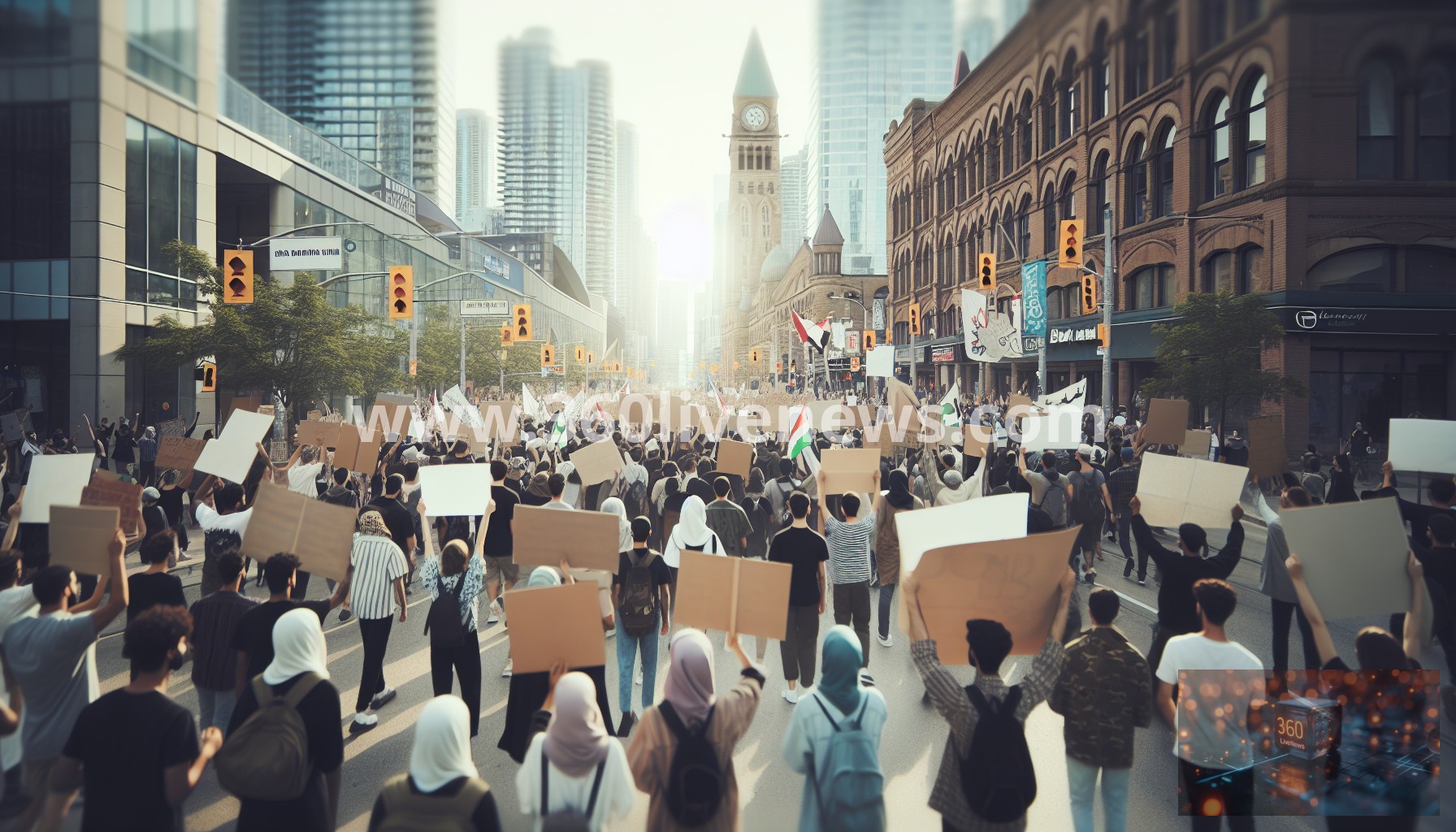
In a series of escalating protests, demonstrators have taken to the streets in Toronto and outside the White House to voice their opposition against military actions taken by the US and Israel in Iran and Lebanon. These protests coincide with the observance of Al-Quds Day, an annual event marked in various cities worldwide to express solidarity with Palestinians and opposition to perceived injustices in the region.
On Al-Quds Day, participants in Toronto gathered to call for an end to the ongoing conflict in Iran and Lebanon, specifically targeting US-Israeli military operations. The protestors were vocal about their discontent regarding recent attacks, denouncing what they perceive as a continuation of aggressive foreign policy aimed at destabilizing the Middle East. The gathering reflects broader regional tensions and highlights the ongoing geopolitical complexities.
Activists at the White House reenacted a tragic event known as the Minab school strike, which occurred during early military operations, claiming the lives of over 170 individuals, primarily schoolgirls. This act of protest served as a poignant reminder of the humanitarian impacts of military actions. As demonstrators emphasized the need for accountability, the emotional reenactment underscored the devastating consequences of the conflict on innocent civilian lives.
The protests come against a backdrop of heightened military hostilities in the Middle East, with Iran and Israel historically engaged in a complex rivalry influenced by religious, political, and territorial disputes. The Iranian regime, facing internal and external pressures, has often cited US and Israeli actions as exacerbating the humanitarian situation within its borders and the wider region, particularly in Lebanon where Hezbollah plays a key role.
Al-Quds Day, initiated in the late 20th century, has evolved into a platform for those advocating for Palestinian rights and against military intervention by foreign powers. Participants in Toronto and Washington echoed similar themes, calling for an immediate cessation of hostilities and the prioritization of peace negotiations over military engagement.
Leaders among the protestors emphasized the need for civilian protection in Iran and Lebanon, where military operations have led to significant casualties and destruction. The calls for peace and dialogue resonate in a larger international context where humanitarian concerns are increasingly at the forefront of discussions surrounding foreign military interventions.
Analysts have noted that protests of this nature reflect a growing awareness of the ripple effects of geopolitical conflicts, particularly how they impact civilian populations. As more individuals engage in activism based on solidarity with affected persons, the implications for US foreign policy and its military engagements in the region may prompt discussions around revising current strategies.
As the situation develops, monitoring the outcomes of these protests and any potential responses from government officials will be crucial. The reactions will likely determine how activism might influence policy shifts regarding US engagement in Middle Eastern conflicts, especially concerning military actions in Iran and Lebanon.
#AlQudsDay #Iran #Israel #Lebanon #Protests #MilitaryActions #HumanitarianImpact #USForeignPolicy
