Al Quds Day demonstration in London draws 12,000 participants amid heightened tensions and significant police presence
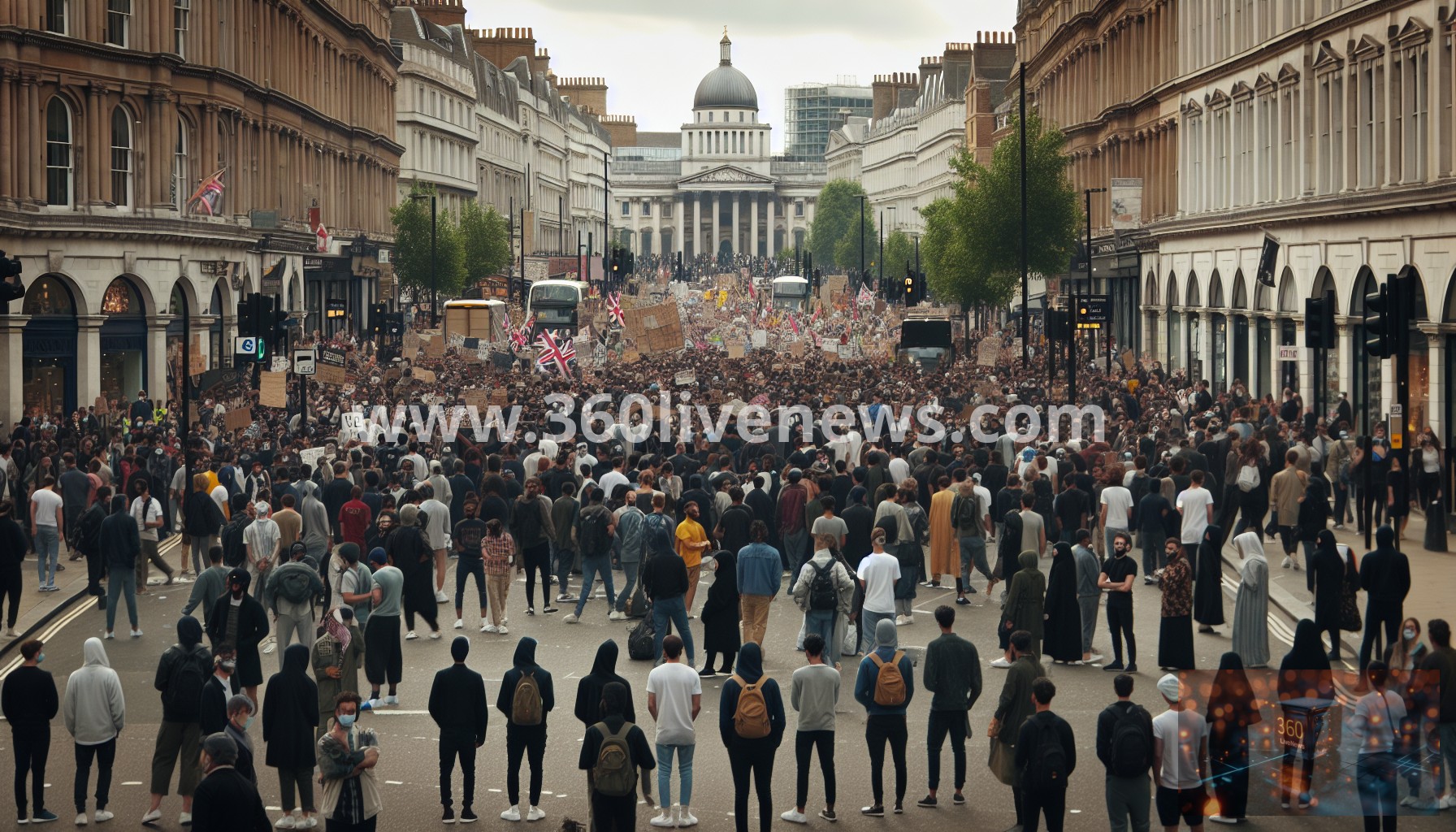
The annual Al Quds Day demonstration in central London has attracted significant attention following the display of offensive signs, including one reading "boom boom Tel Aviv." The protest is set against a backdrop of escalating tensions surrounding the ongoing military actions involving Iran, Israel, and the United States. Reports indicate that police have deployed at least 1,000 officers to manage the expected 12,000 participants, creating a tense atmosphere on the city's south side.
At the event, demonstrators have been spotted carrying signs that express aggression toward Israel, with one young protester visibly promoting hostile sentiments. The deployment of hundreds of police personnel aims to contain and manage the crowds effectively, although the situation remains charged with emotion. Law enforcement has established a “ring of steel” around the area where the protests are being held, suggesting concerns over potential violence.
This demonstration is not happening in isolation; it reflects wider geopolitical tensions, particularly the complex situation in Iran where increased military actions and retaliations have become prevalent. The annual event commemorates Al Quds Day, which is marked by pro-Palestinian sentiments and opposition to perceived Israeli oppression. Since its inception, this initiative has attracted various groups advocating for Palestinian rights, often culminating in demonstrations that can become polarized.
On March 12, the tensions further escalated with an attack at Temple Israel in Michigan, where a synagogue was targeted, leading to an outcry from both Jewish and Arab American leaders in the region. The assailant, Ayman Ghazali, has emerged as a controversial figure linked to the broader conflict. Reports detail that he acted in retribution for the Israel Defense Forces (IDF) killing several of his relatives during airstrikes in Lebanon amidst the ongoing regional conflict. This incident underlines the difficulties in fostering intercommunal dialogue in a context where violence breeds retaliatory sentiments.
The demonstration in London and the attack in Michigan occur alongside a backdrop of significant historical animosities and complexities between Jewish and Arab communities, particularly in the United States. These communities operate within a challenging landscape where geopolitical issues often spill into local tensions. The current dynamics have been influenced by events in Iran, as the United States and Israel coordinate military strategies that directly affect both Iranian and Lebanese populations.
As the protests in London unfold, important discussions about the implications for community relations are necessary. Jewish and Arab American leaders have been working to address the aftermath of incidents such as the synagogue attack in Michigan, but the escalating nature of violence complicates these efforts. Community leaders, dealing with the ramifications of long-standing grievances, often struggle to create a sustainable path towards reconciliation when violence disrupts trust.
Alongside these domestic considerations, geopolitical implications further muddle the dialogue. The US military campaign in Iran aims at curtailing perceived threats but simultaneously exacerbates divisions among international communities. The intricate balance of power and the reactions from local populations illustrate the far-reaching consequences of foreign policy decisions. Local leaders are left navigating complicated waters where sentiments are easily inflamed by ongoing international disputes.
The juxtaposition of protests in London against the backdrop of local violence in Michigan emphasizes a critical juncture for both communities and their leaders. Experts suggest that addressing the root causes of these tensions is essential for moving forward; however, the realities of both local grievances and international relations present formidable challenges. Each act of violence and protest not only reflects regional complexities but further inflates existing prejudices and fears operating within these communities.
As these events continue to develop, the situation warrants close observation, given its potential to reshape community relations both locally and internationally. Stakeholders in the region must grapple with the broader implications of these acts, ensuring that responses aim to quell tensions rather than exacerbate them. The ongoing nature of this conflict continues to cast long shadows, highlighting the need for constructive dialogue focused on healing rather than division.
#Al_Quds_Day #Iran #Israel #TempleIsrael #Michigan #protests #ArabAmerican #JewishAmerican
