South Korean activists protest U.S. President Trump's NATO demands regarding the Strait of Hormuz
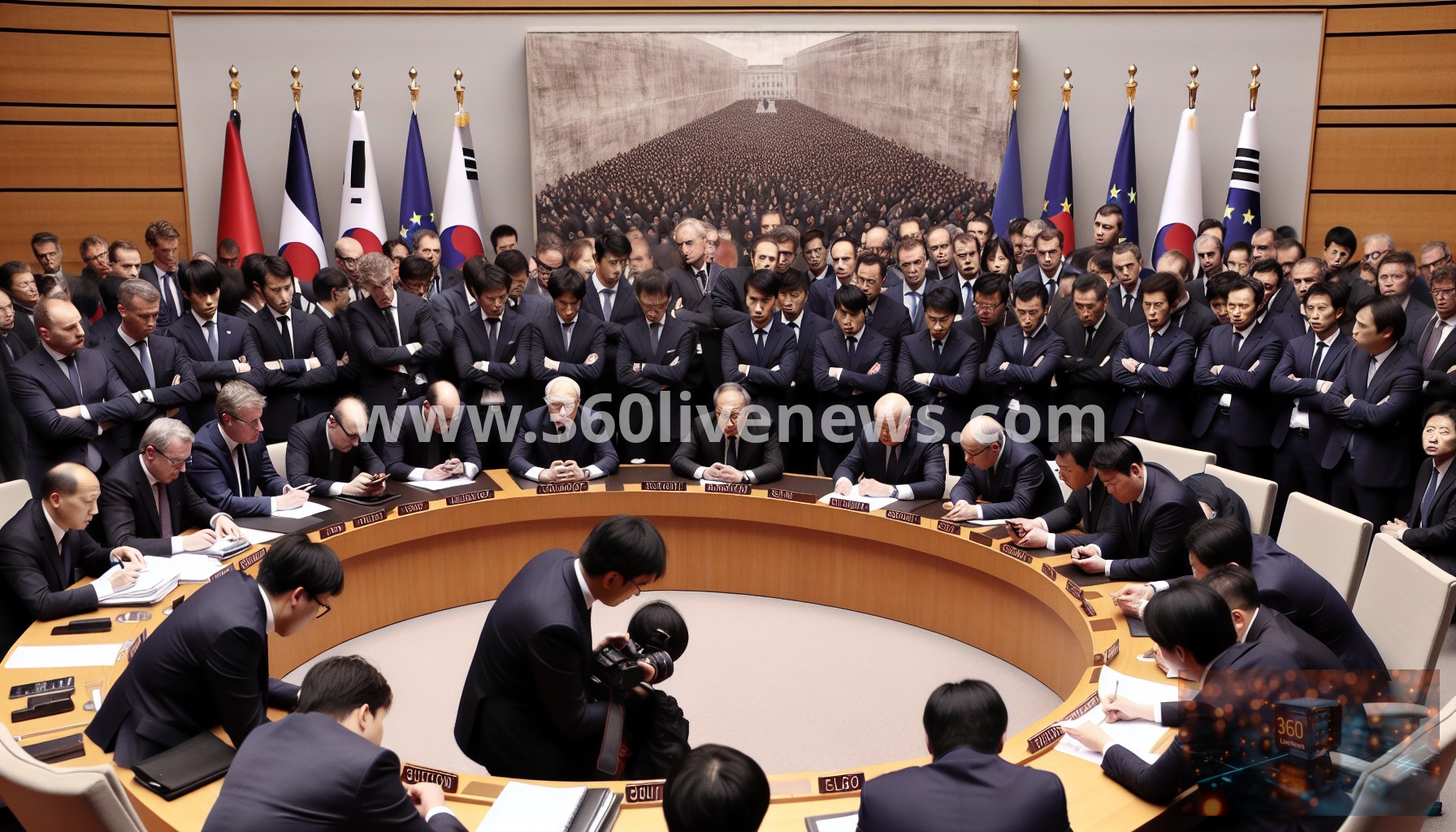
South Korean activists have organized protests to express their discontent with U.S. President Donald Trump’s recent demands for NATO allies to assist in securing the Strait of Hormuz. These demonstrations highlight the tension surrounding U.S. foreign policy and its implications for South Korea's relationship with NATO and global security. The protests took place shortly after Trump warned that NATO could face a "bad future" if its members do not support U.S. military objectives in the region.
The protestors’ key concern revolves around Trump's assertive approach to securing the vital waterway, which has seen increased military attention due to recent tensions involving Iran. In a bid to reinforce the U.S. position, Trump has stated that European nations should contribute to efforts aimed at ensuring the security of commercial shipping lanes in the Strait of Hormuz, crucial for international oil trade.
According to reports, the situation has escalated significantly due to the de facto closure of the Strait of Hormuz, which Iran has enforced in retaliation for prior airstrikes conducted by the U.S. and Israel. This closure has led to catastrophic disruptions in global energy supplies, resulting in the largest oil supply crisis in history and substantial price hikes. As a result, Trump's insistence on NATO's involvement is viewed as a plea for collective responsibility and a strategic move to mitigate the ongoing crisis.
Trump's emphasis on NATO's role reflects broader geopolitical implications, as he warned that a lack of response from allied nations could severely damage mutual defense commitments enshrined in NATO’s foundational principles. He stated, "It’s only appropriate that people who are the beneficiaries of the strait will help to make sure that nothing bad happens there," underscoring the expectation of cooperative security efforts among allies.
However, responses from Europe have been notably restrained. Nations such as Australia, France, Japan, and the United Kingdom have publicly stated they currently have no intentions to dispatch naval forces to the Strait of Hormuz. This muted response raises questions about intra-NATO dynamics and the shared commitment among member states to collective defense in light of rising tensions in the Middle East.
The situation underscores a complex nexus of geopolitical interests, particularly as member countries navigate internal pressures regarding military engagement abroad. While some nations may view greater involvement as necessary for ensuring energy security, others are hesitant, likely due to the potential for escalating conflict. This dichotomy reflects deeper historical tensions within NATO regarding member contributions to collective defense.
Further complicating the matter, the longstanding tensions between the U.S. and Iran have implications that stretch beyond military engagements. The strategic importance of the Strait of Hormuz is emblematic of the ongoing struggle for influence in the region, with both U.S. and Iranian moves scrutinized by global powers. Any missteps could potentially lead to wider conflict, not just affecting oil supplies but also regional stability.
This geopolitical tension has also inspired activist movements within South Korea, where citizens feel the ramifications of U.S. foreign policy. The protests reflect a growing domestic concern about the implications of military alliances and the prioritization of international military engagements over local needs. South Korean citizens are increasingly questioning their government's alignment with U.S. foreign policy, particularly as it pertains to military matters.
As the situation in the Strait of Hormuz continues to evolve, it becomes vital to observe how NATO will respond to U.S. pressure, alongside the potential for broader economic and security ramifications. The developments in this long-standing conflict exemplify the challenges of maintaining a unified stance within NATO while addressing the diverse regional interests of its member states.
#NATO #Trump #Iran #SouthKorea #Protests #StraitOfHormuz #EnergySecurity #Geopolitics
